Who Sterilizes Surgical Instruments? Roles and Responsibilities in Healthcare Settings

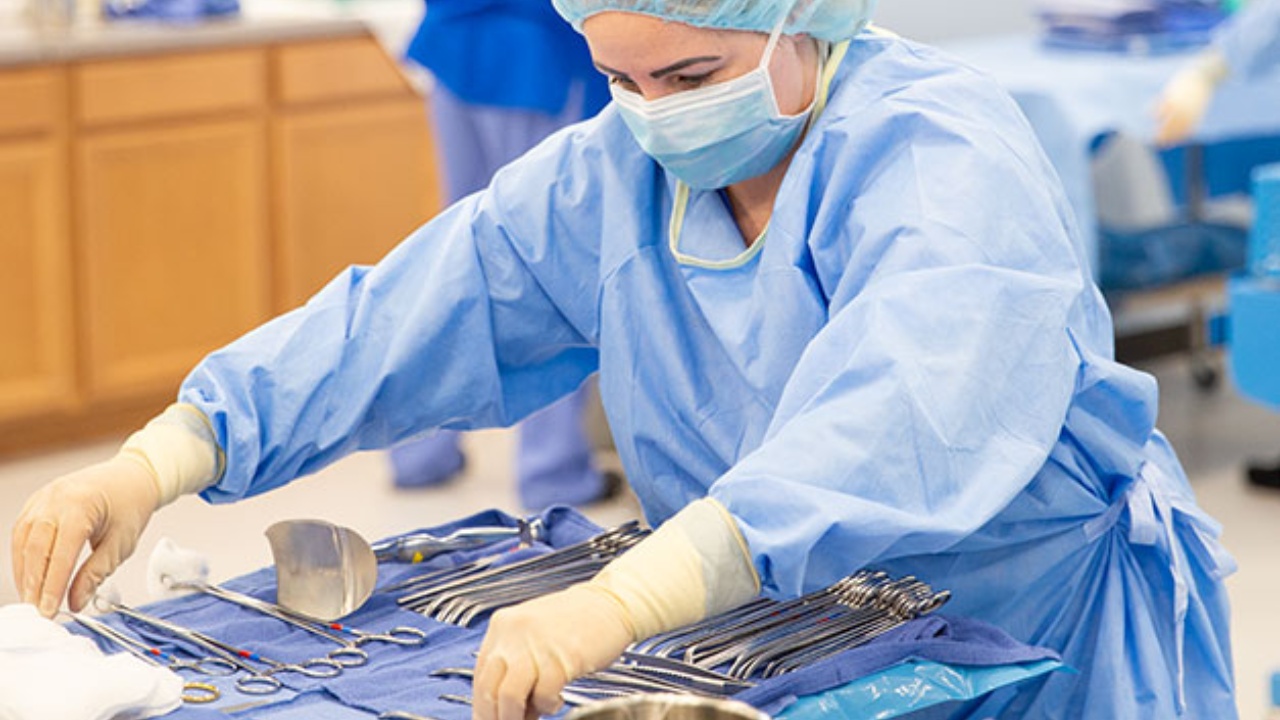
Sterilization of surgical instruments is a critical process that directly impacts patient safety and clinical outcomes. However, many people outside the healthcare system ask a simple yet important question: who actually sterilizes surgical instruments?
In practice, trained professionals handle this responsibility under strict protocols. Understanding these roles helps healthcare facilities maintain compliance, efficiency, and safety across all procedures.
Central Sterile Services Department (CSSD) Technicians
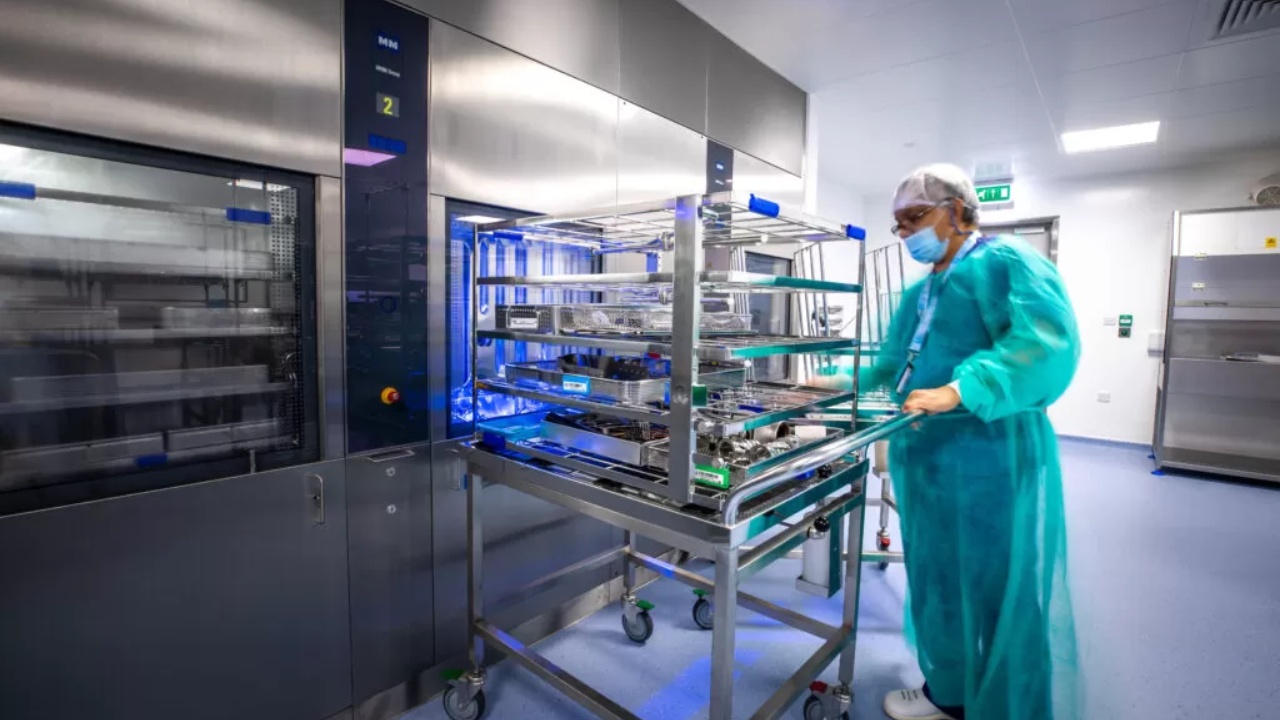
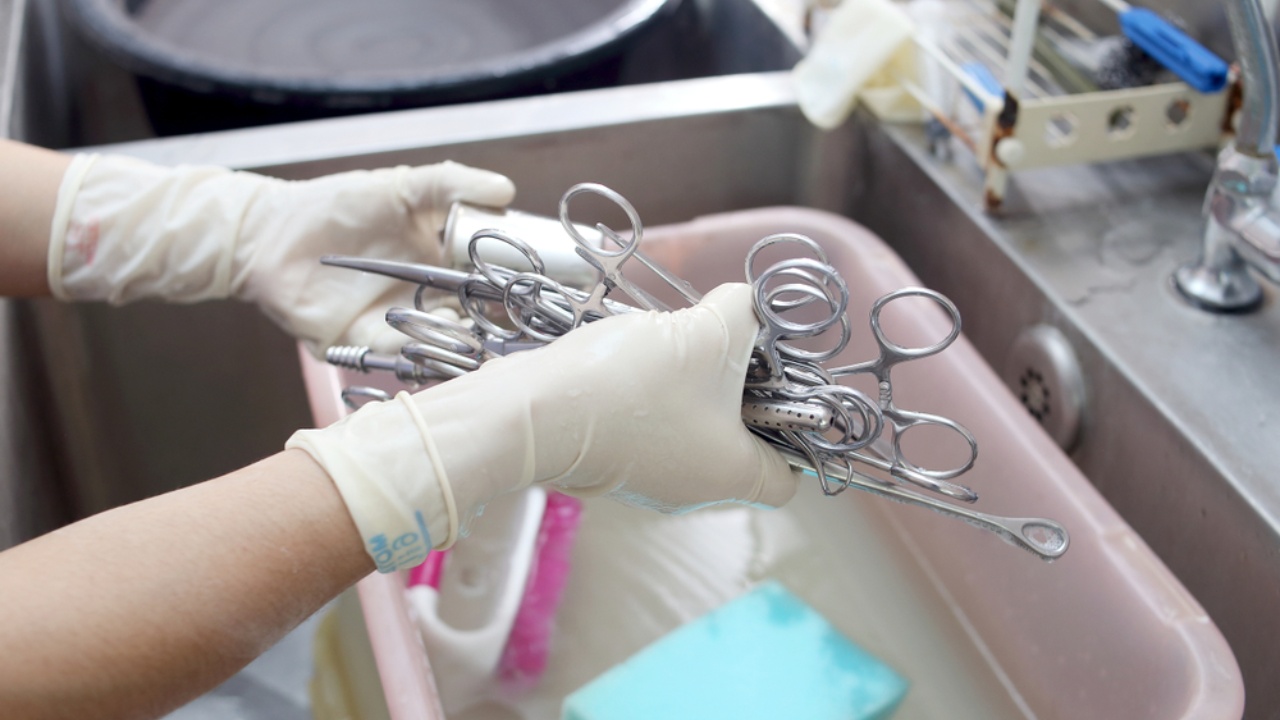
In hospitals and large surgical centers, Central Sterile Services Department (CSSD) technicians primarily sterilize surgical instruments. These professionals specialize in cleaning, disinfecting, sterilizing, and preparing instruments for reuse.
CSSD technicians follow standardized workflows that include cleaning, inspection, packaging, sterilization, and documentation. Moreover, they monitor sterilization equipment, validate cycles, and maintain detailed records to meet regulatory requirements.
Because of their training, CSSD technicians ensure that instruments remain safe and ready for surgical use.
Sterile Processing Technicians
In many facilities, sterile processing technicians perform the same role as CSSD staff. These professionals often work behind the scenes but play a vital part in infection prevention.
Sterile processing technicians:
- Clean and decontaminate used instruments
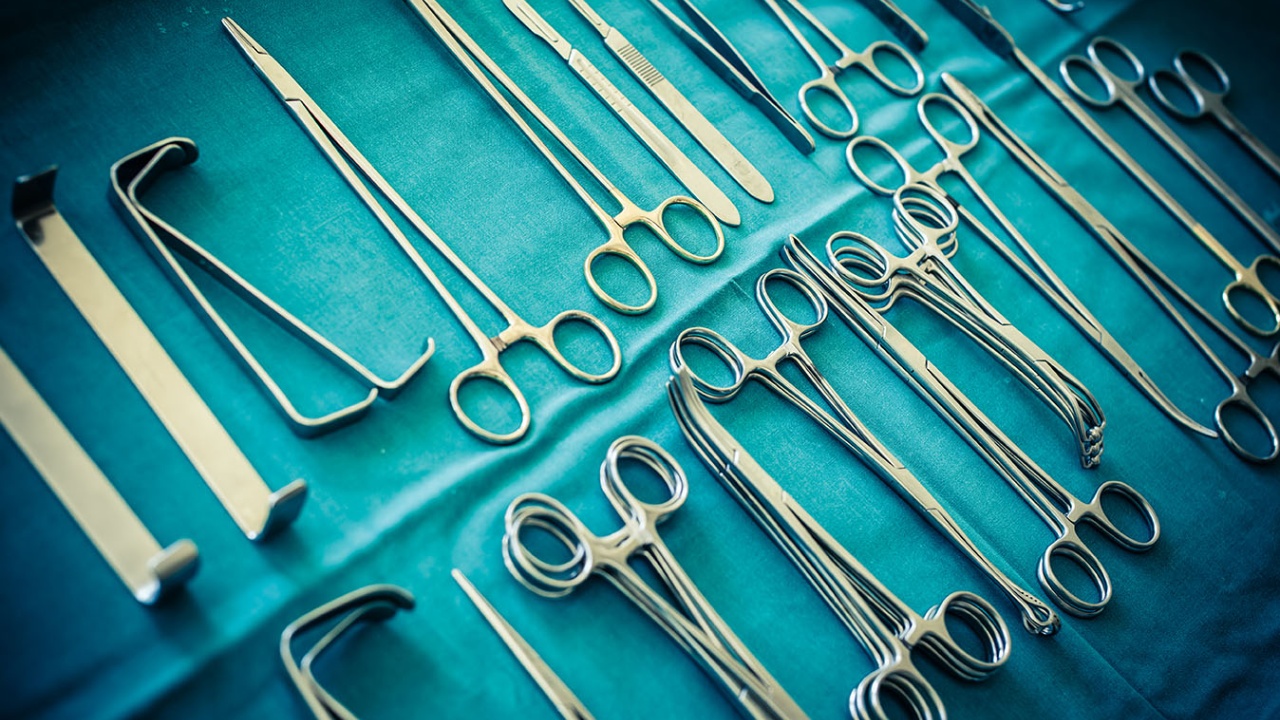
- Assemble surgical trays
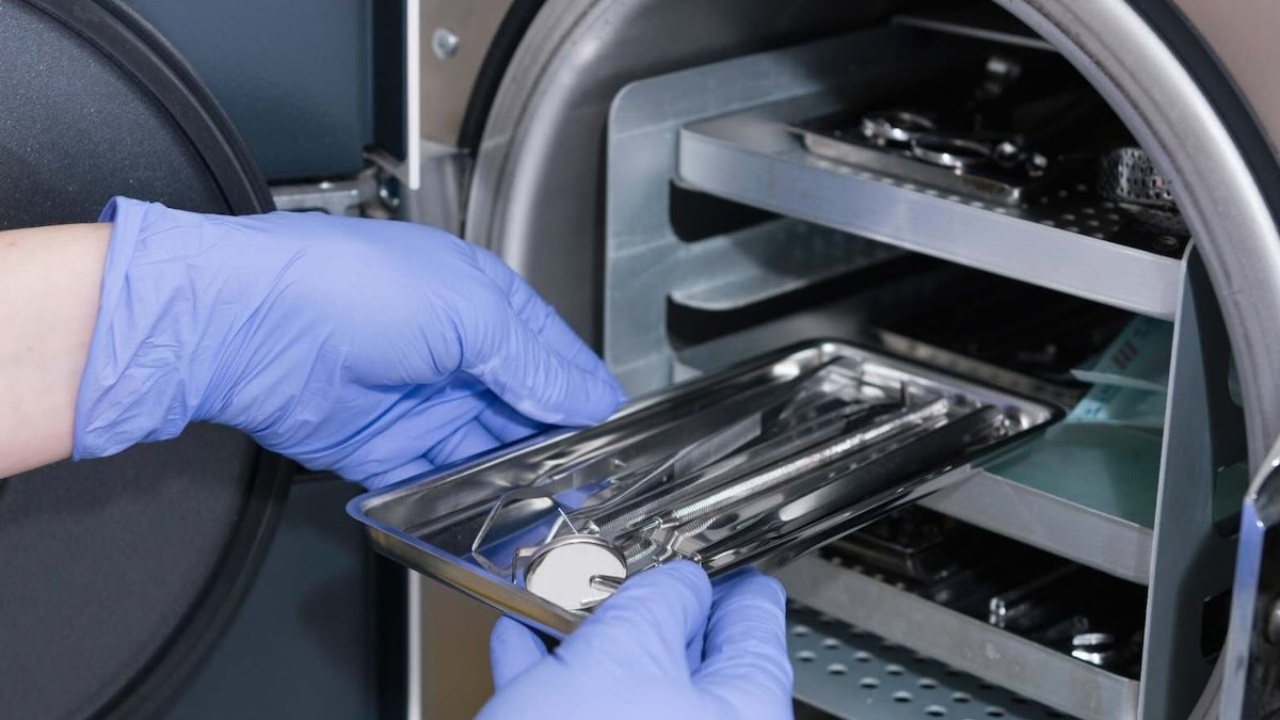
- Operate sterilization equipment
- Inspect instruments for damage or wear
Therefore, their work directly supports surgeons, nurses, and operating room staff.
Operating Room Staff in Smaller Facilities
In smaller clinics, dental practices, and outpatient centers, operating room staff or trained nurses may handle instrument sterilization. Although these facilities may not have a dedicated CSSD, they still follow strict sterilization protocols.
In such settings, staff members receive training on:
- Instrument cleaning and packaging
- Autoclave operation
- Sterilization indicators and logs
As a result, even smaller healthcare facilities can maintain safe sterilization standards when proper training is in place.
Dental Assistants and Clinic Technicians
In dental practices, dental assistants or clinic technicians often sterilize dental and minor surgical instruments. These professionals follow guidelines specific to dental healthcare environments.
Because dental instruments undergo frequent reuse, assistants focus on consistent cleaning, correct packaging, and routine monitoring of sterilization cycles.
Third-Party Sterilization Services
Some healthcare facilities outsource sterilization to third-party sterile processing providers. These companies specialize in large-scale instrument processing and often serve multiple clinics or surgical centers.
Third-party services:
- Handle high instrument volumes
- Maintain validated sterilization systems
- Provide compliance documentation
Therefore, outsourcing can help facilities reduce internal workload while maintaining regulatory compliance.
Oversight and Quality Control
Although technicians perform the hands-on work, supervision remains essential. Infection control officers, clinical managers, and biomedical teams oversee sterilization processes.
They ensure:
- Protocols remain up to date
- Equipment functions correctly
- Staff maintain proper training
- Records meet audit requirements
As a result, sterilization remains consistent and reliable across departments.
Why Proper Training Matters
Sterilization errors can lead to serious patient risks. Therefore, healthcare facilities invest heavily in training, certification, and continuous education for sterilization staff.
Well-trained personnel:
- Reduce infection risks
- Extend instrument lifespan
- Improve surgical efficiency
- Support regulatory compliance
Consequently, sterilization is never an informal task. It remains a regulated and documented process.
Final Thoughts
Trained professionals sterilize surgical instruments across healthcare settings. CSSD technicians, sterile processing staff, nurses, dental assistants, and third-party providers all play defined roles depending on facility size and structure. By assigning sterilization to qualified personnel and maintaining strict oversight, healthcare providers protect patients and ensure safe surgical outcomes.
If you are looking to source surgical instruments designed to withstand repeated professional sterilization, visit bssurgicalinstruments.co.uk. We supply high-quality surgical instruments in small and bulk orders across the UK, USA, Canada, and Europe.