Guide to Sourcing Surgical Instruments for New Clinics and Healthcare Setups

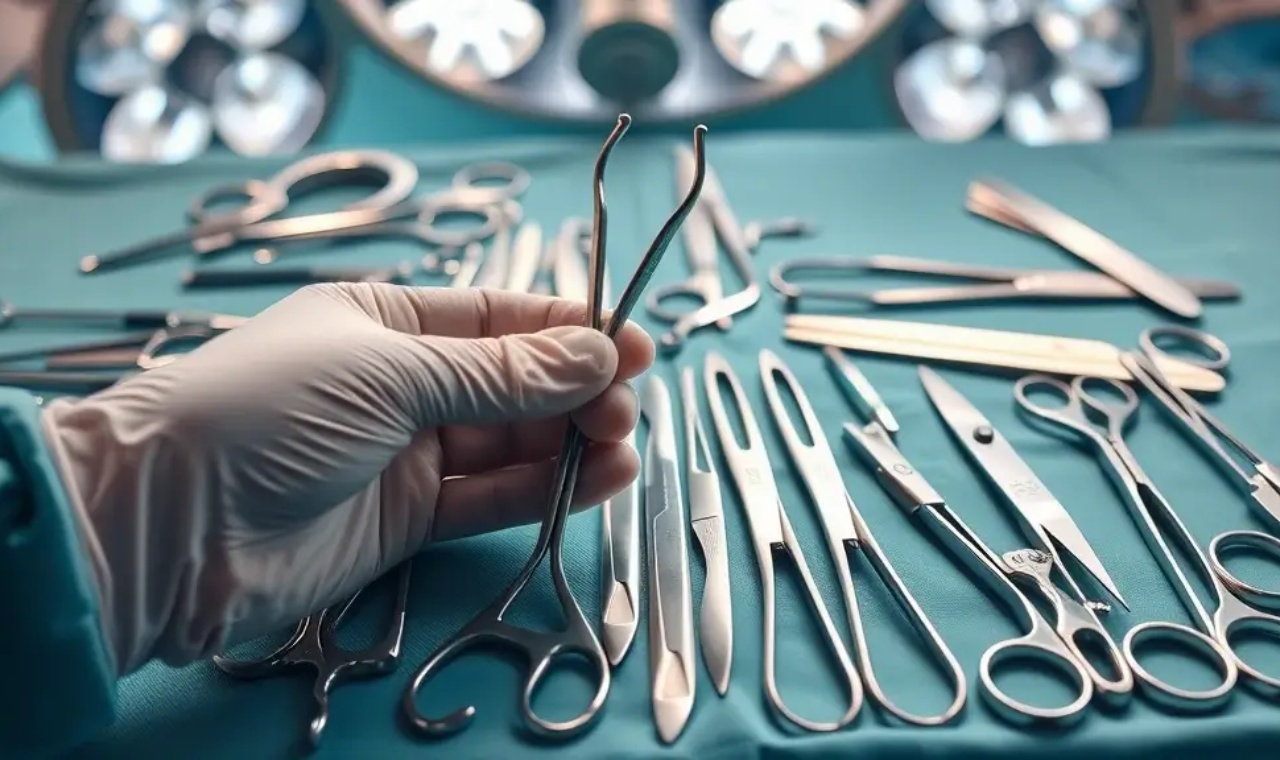
Starting a new clinic or healthcare facility requires careful planning, especially when sourcing surgical instruments. Because instruments directly affect patient safety and operational efficiency, procurement teams must choose wisely from the beginning. Therefore, a structured sourcing approach helps new clinics avoid unnecessary costs and ensure compliance from day one.
This guide explains how to source surgical instruments for new clinics and healthcare setups using practical steps that support long-term success.
Define Your Clinical Scope and Services
Before purchasing any instruments, clinics must clearly define the services they plan to offer. Each specialty requires specific tools, so identifying procedures helps narrow down instrument requirements.
For example:
- General clinics need basic diagnostic and minor surgical sets
- Dental clinics require extraction and periodontal instruments
- Surgical centers need specialized sets for their procedures
As a result, defining scope prevents over-purchasing and ensures accurate selection.

Create a Standardized Instrument List
Once services are defined, clinics should create a detailed instrument list based on procedures. Standardized lists simplify procurement and ensure consistency across operations.
A well-structured list includes:
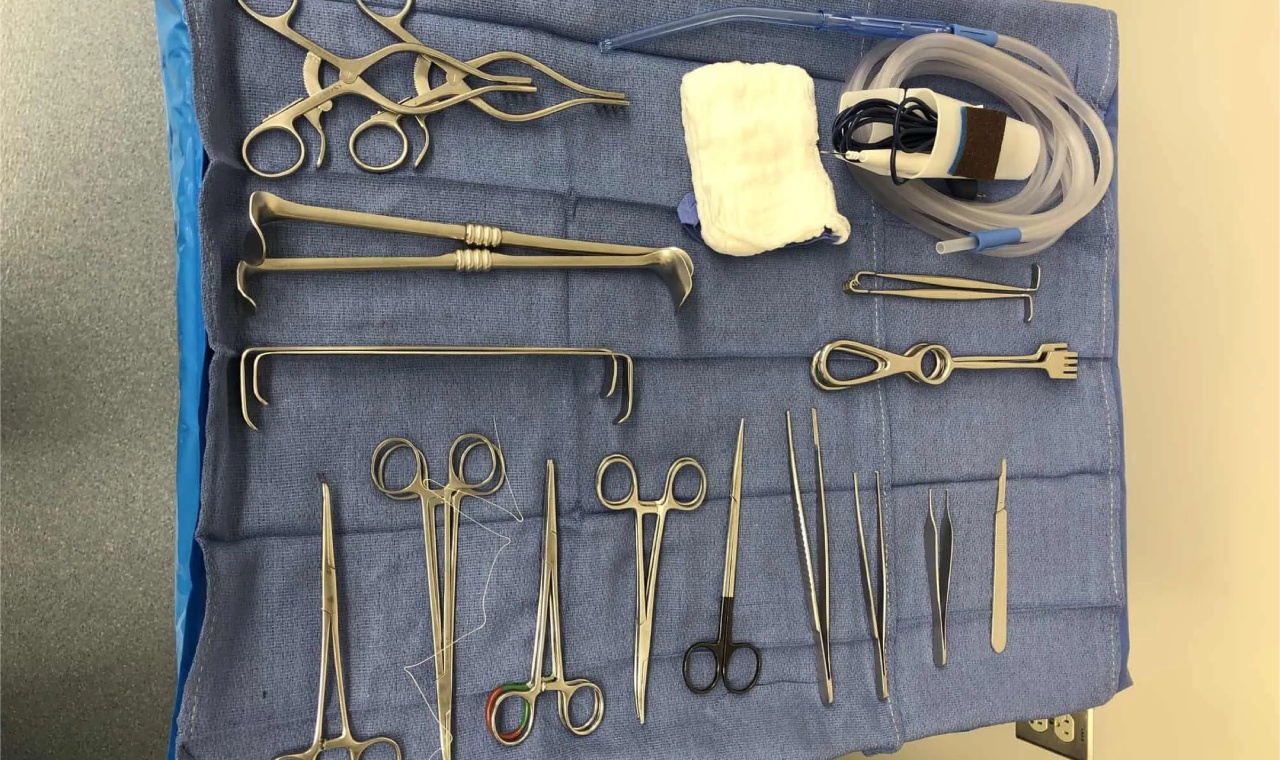
- Core instrument sets for each procedure
- Backup instruments for high-use items
- Accessories such as trays and storage systems
Moreover, standardized lists improve workflow and reduce confusion during setup.
Prioritize Quality Over Initial Cost
New clinics often operate under budget constraints. However, choosing low-cost instruments can lead to higher long-term expenses due to frequent replacements.
High-quality instruments:
- Last longer under repeated sterilization
- Maintain performance and precision
- Reduce maintenance issues
Therefore, investing in quality from the start ensures better value over time.

Verify Certifications and Compliance
Compliance remains essential when sourcing surgical instruments. Clinics must ensure that all products meet the regulatory requirements of their target market.
Buyers should verify:
- ISO 13485 certification
- CE marking for Europe
- FDA registration for the USA
- UKCA marking for the UK
In addition, proper documentation supports smooth imports and regulatory approval.
Choose Reliable and Specialized Suppliers
Supplier selection plays a critical role in long-term success. Reliable suppliers provide consistent quality, clear documentation, and dependable delivery timelines.
When evaluating suppliers:
- Check industry experience and specialization
- Review customer feedback and export history
- Confirm ability to handle bulk and repeat orders
As a result, strong supplier relationships reduce procurement risks.
Request Samples Before Bulk Orders
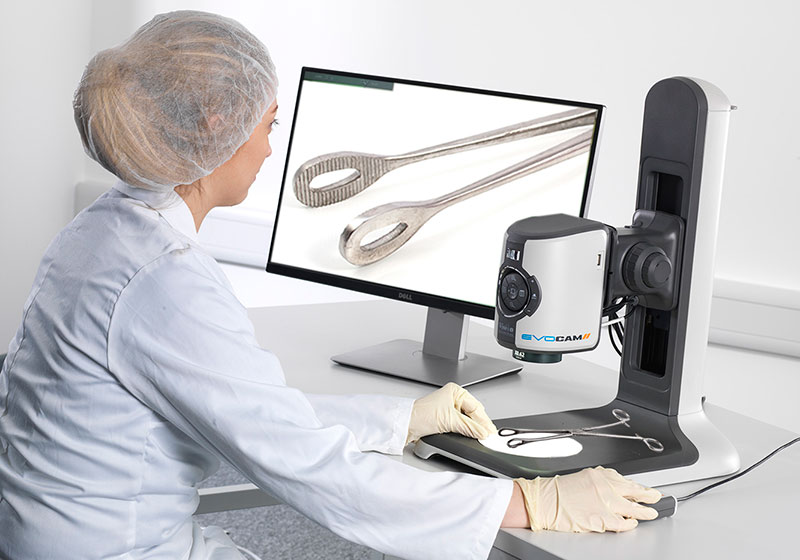
Testing samples allows clinics to verify quality before committing to large purchases. This step helps identify potential issues early.
During testing:
- Check instrument finish and alignment
- Evaluate grip and handling
- Test durability under simulated use
Therefore, sample validation improves purchasing confidence.
Plan for Sterilization and Storage
Sourcing instruments also requires planning for sterilization and storage systems. Clinics must ensure that their equipment supports proper cleaning and sterilization workflows.
This includes:
- Autoclaves or sterilization units
- Washer-disinfectors or cleaning systems
- Storage racks and sterile packaging
As a result, clinics maintain compliance and efficiency from the start.
Set a Realistic Budget and Procurement Plan
Budget planning helps clinics balance quality and quantity effectively. Instead of purchasing everything at once, clinics can phase procurement based on priority.
For example:
- Start with essential instruments
- Add specialized tools as services expand
- Maintain contingency funds for replacements
Consequently, phased procurement reduces financial pressure.
Train Staff on Instrument Handling
Even the best instruments require proper handling. Clinics should train staff on cleaning, sterilization, and storage practices to protect their investment.
Well-trained staff:
- Reduce damage and wear
- Maintain instrument performance
- Improve overall efficiency
Therefore, training supports both safety and cost control.
Final Thoughts
Sourcing surgical instruments for new clinics requires careful planning, quality evaluation, and supplier selection. By defining clinical needs, standardizing instrument lists, verifying compliance, and investing in reliable suppliers, healthcare setups can build a strong foundation for safe and efficient operations.
If you are setting up a new clinic and need reliable surgical instruments, visit Surgical Instruments. We supply high-quality surgical instruments in small and bulk orders across the UK, USA, Canada, and Europe, helping healthcare providers start with confidence and consistency.