Which Surgical Instruments Are Used to Close Off Blood Vessels? A Clinical Overview

Controlling blood flow is one of the most critical steps in any surgical procedure. Surgeons must close off blood vessels quickly and securely to prevent excessive bleeding and maintain a clear operating field. For this reason, specific surgical instruments exist solely to clamp, seal, or permanently close blood vessels during operations.
Understanding which surgical instruments serve this purpose helps healthcare professionals, hospitals, and procurement teams select the right tools for safe and efficient procedures.
Why Closing Blood Vessels Is Essential in Surgery
During surgery, even minor bleeding can obstruct visibility and increase procedural risk. Therefore, surgeons rely on specialized instruments to temporarily or permanently stop blood flow.
Moreover, effective vessel control:
- Reduces blood loss
- Improves surgical precision
- Shortens procedure time
- Lowers postoperative complications
As a result, vessel-closing instruments play a central role across almost every surgical specialty.
Hemostats: The Most Common Vessel-Clamping Instruments
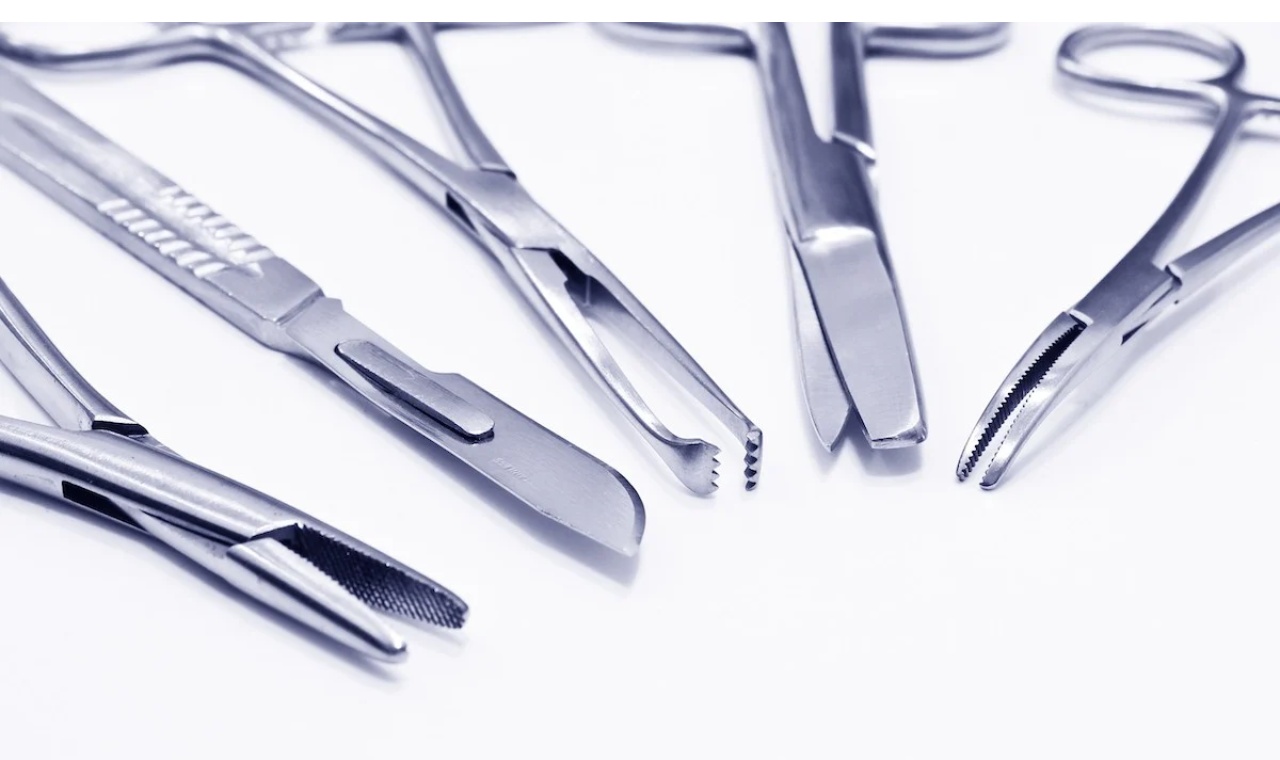
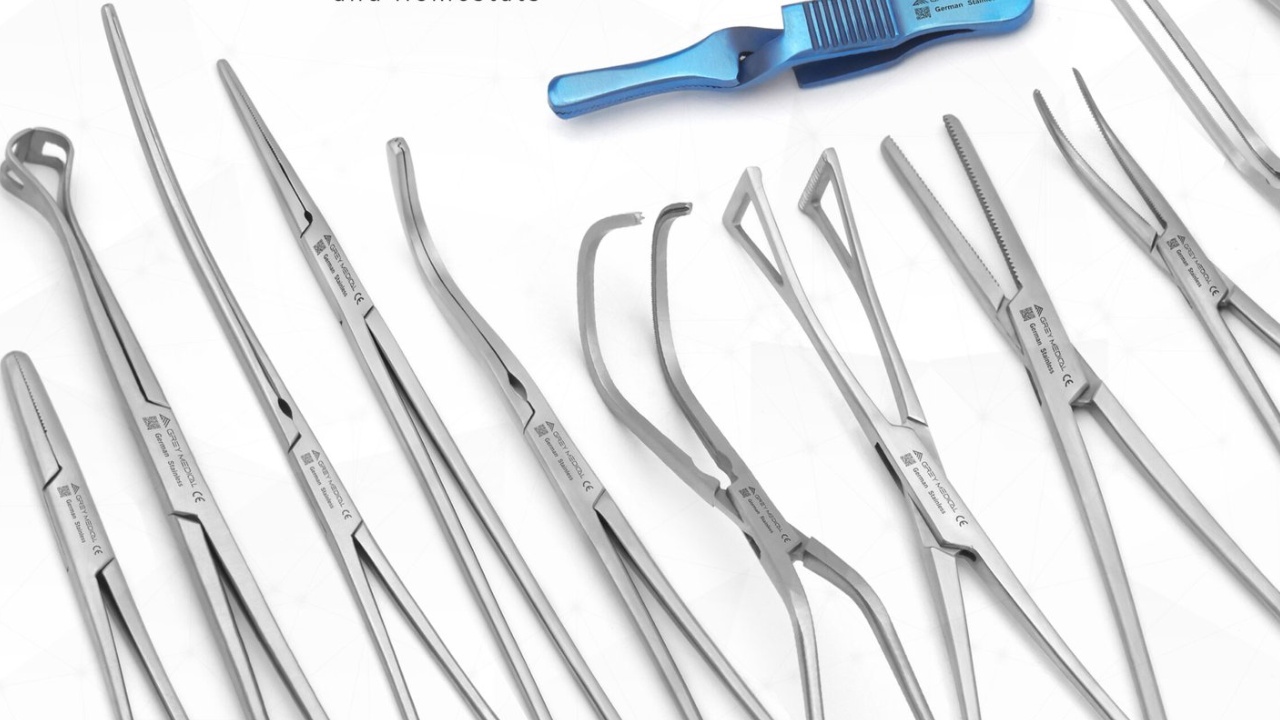
Hemostats are the most widely used instruments for closing off blood vessels. Surgeons use them to clamp vessels temporarily until they can tie, cauterize, or seal them permanently.
Hemostats feature a locking mechanism that maintains pressure without constant hand force. Consequently, they allow surgeons to work efficiently while controlling bleeding.
Common types include mosquito hemostats for small vessels, Kelly hemostats for medium vessels, and Crile hemostats for general use.
Artery Forceps: Precise Control of Blood Vessels
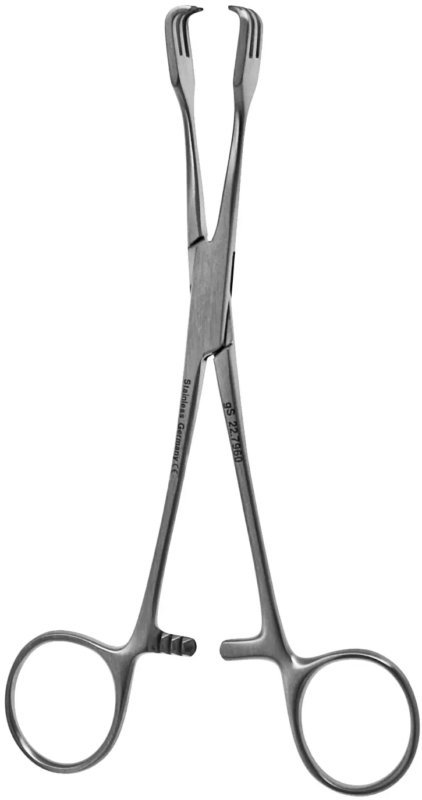
Artery forceps closely resemble hemostats but offer more refined control. Surgeons use them specifically to grasp and close arteries during surgical procedures.
Because artery forceps come in straight and curved designs, surgeons can access vessels in both superficial and deep surgical areas. In addition, their serrated jaws ensure a firm grip without slipping.
Vascular Clamps: Temporary Occlusion of Major Vessels
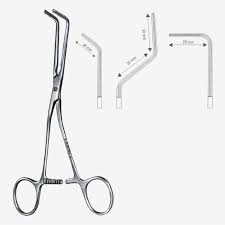
When surgeons need to close off larger blood vessels, they often choose vascular clamps. These instruments apply controlled pressure without damaging vessel walls.
Vascular clamps prove especially useful in cardiovascular, orthopedic, and transplant surgeries. Furthermore, their design allows surgeons to restore blood flow safely once the procedure progresses.
Ligating Clips and Clip Appliers
Ligating clips provide a fast and reliable method to permanently close blood vessels. Surgeons apply these small metal or polymer clips using clip appliers.
Because clips eliminate the need for suturing, they significantly reduce operating time. Therefore, surgeons frequently use them in laparoscopic and minimally invasive procedures.
Electrosurgical and Vessel-Sealing Devices
Modern surgery increasingly relies on energy-based vessel-sealing instruments. These devices use electrical or ultrasonic energy to seal vessels by fusing tissue proteins.
As a result, surgeons achieve hemostasis without sutures or clips. These instruments work particularly well for small to medium-sized vessels and help minimize thermal spread when used correctly.
Sutures and Needle Holders
Although not clamps themselves, sutures play a vital role in permanently closing blood vessels. Surgeons use needle holders to guide sutures with precision and secure vessels after clamping.
This method remains especially important in procedures where clips or energy devices are unsuitable.
How Surgeons Choose the Right Instrument
Surgeons select vessel-closing instruments based on vessel size, procedure type, and surgical approach. For example, minor procedures often require hemostats, while major vascular surgeries demand specialized clamps or sealing devices.
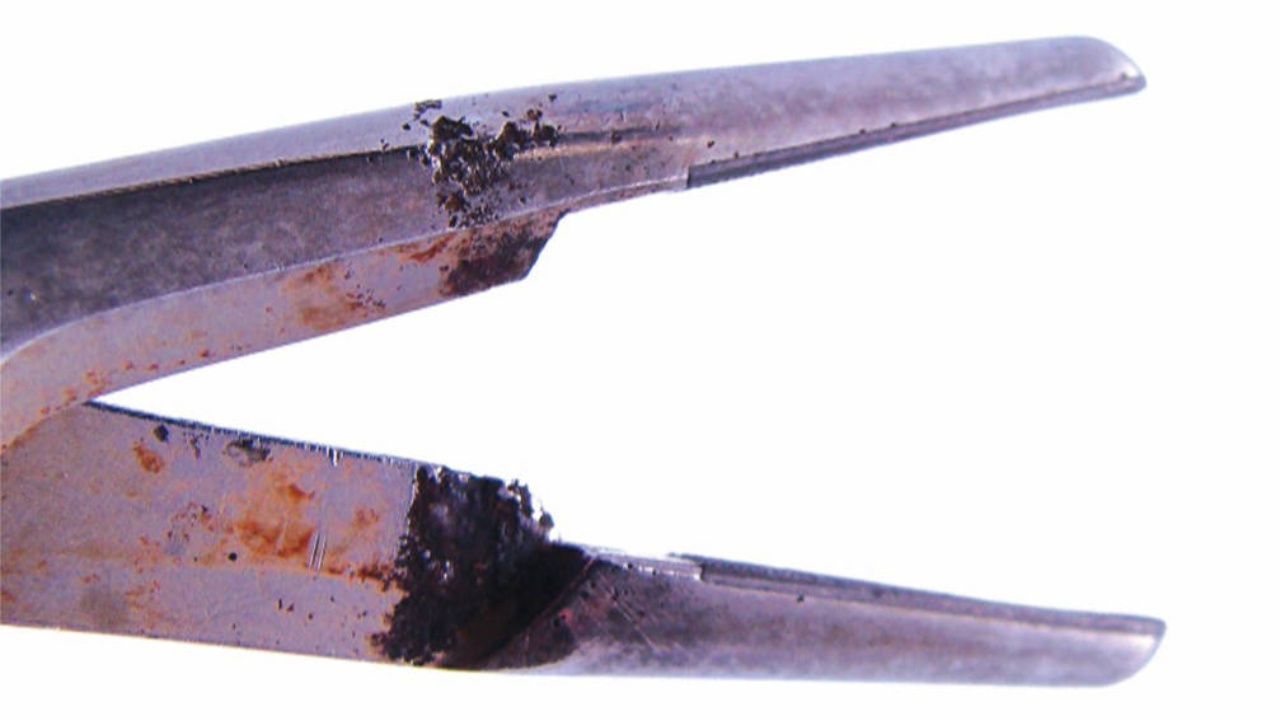
In addition, instrument quality directly affects grip strength, reliability, and patient safety. Therefore, hospitals benefit from sourcing instruments that meet international manufacturing standards.
Final Thoughts
Several surgical instruments help close off blood vessels, including hemostats, artery forceps, vascular clamps, ligating clips, and vessel-sealing devices. Each instrument serves a specific role depending on vessel size and surgical complexity. By understanding these tools, healthcare professionals can ensure safer procedures and better outcomes.
If you are looking to source high-quality surgical instruments designed for effective vessel control, visit bssurgicalinstruments.co.uk. We supply reliable surgical instruments in small and bulk orders to buyers across the UK, USA, Canada, and Europe.