What Certifications Should Surgical Instruments Have for International Use? A Compliance Guide for Buyers


Surgical instruments must meet strict regulatory standards before they can enter international markets. Because these tools directly affect patient safety, governments and regulatory bodies enforce certifications that ensure quality, traceability, and performance.
Therefore, buyers who import or distribute surgical instruments must verify certifications carefully before placing orders. This guide explains what certifications surgical instruments should have for international use and why each one matters.
Why Certifications Matter in Global Trade
Certifications confirm that surgical instruments meet safety, quality, and manufacturing standards. Without proper certification, instruments may fail regulatory checks, delay shipments, or even face rejection at customs.
Moreover, certified instruments:
- Ensure patient safety
- Support legal compliance
- Improve buyer confidence
- Reduce long-term risks
As a result, certifications are not optional for international distribution.
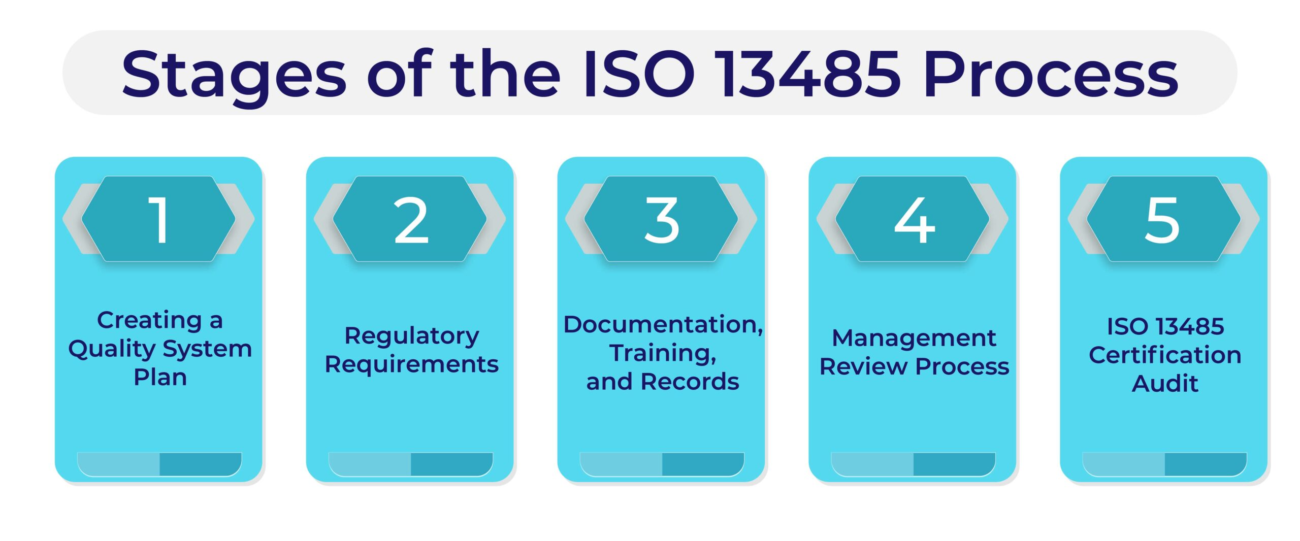
ISO 13485: Medical Device Quality Management
ISO 13485 is one of the most important certifications for surgical instrument manufacturers. It focuses on quality management systems specific to medical devices.
Manufacturers with ISO 13485 certification:
- Follow standardized production processes
- Maintain consistent quality control
- Ensure traceability across batches
Because of this, ISO 13485 serves as a global benchmark for medical device manufacturing.
CE Marking: European Market Requirement
CE marking is mandatory for selling surgical instruments within the European Economic Area. It confirms that the product meets EU safety, health, and environmental standards.
CE marking ensures:
- Compliance with EU Medical Device Regulation (MDR)
- Verified product safety
- Legal market access across Europe
Therefore, any supplier targeting European buyers must provide CE-certified instruments.
FDA Registration: United States Market Access
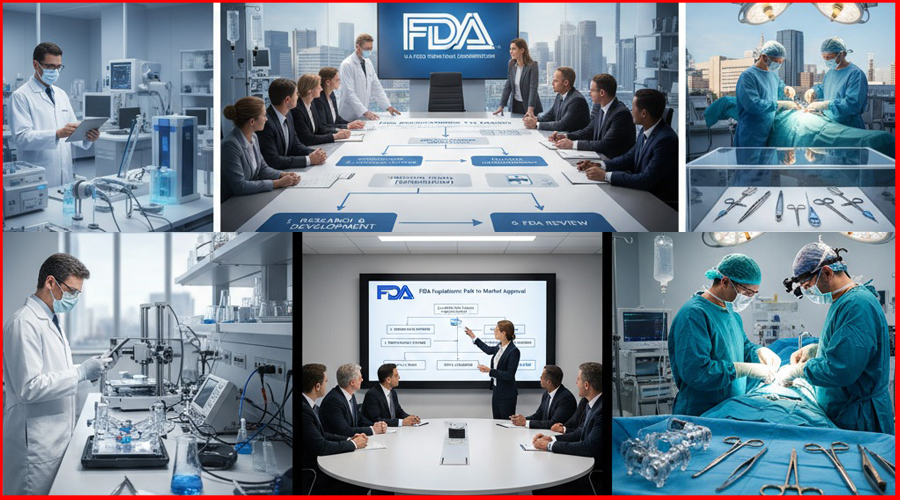
For the United States, surgical instruments must comply with FDA (Food and Drug Administration) requirements. Although not all instruments require premarket approval, manufacturers must still register with the FDA and follow its regulations.
FDA compliance includes:
- Facility registration
- Device listing
- Adherence to quality system regulations
As a result, FDA registration allows instruments to enter and compete in the US healthcare market.
UKCA Marking: United Kingdom Compliance
Following Brexit, the United Kingdom introduced UKCA (UK Conformity Assessed) marking. This certification replaces CE marking for products sold in Great Britain.
UKCA ensures:
- Compliance with UK medical device regulations
- Market approval within the UK
- Alignment with safety and quality standards
Therefore, suppliers must provide UKCA marking when targeting UK-based buyers.
Other Important Certifications and Standards
In addition to major certifications, several other standards strengthen product credibility.
These include:
- ISO 9001 for general quality management
- ASTM standards for material and performance testing
- RoHS compliance for restricted hazardous substances
Moreover, some countries may require additional local certifications depending on their regulatory framework.
Documentation and Traceability Requirements
Certifications alone are not enough. Buyers must also verify supporting documentation.
Key documents include:
- Certificates of conformity
- Material certificates
- Sterilization compatibility reports
- Batch and traceability records
Because of this, reliable suppliers provide complete documentation with every shipment.
Common Mistakes to Avoid
Some buyers focus only on pricing and overlook certification details. However, this approach often leads to compliance issues and rejected shipments.
Therefore, always:
- Verify certificates directly from issuing bodies
- Check expiry dates and validity
- Confirm that certifications match the specific product
By doing so, buyers avoid costly delays and regulatory complications.
Final Thoughts
Surgical instruments intended for international use must meet multiple certification standards, including ISO 13485, CE marking, FDA registration, and UKCA marking. These certifications ensure safety, compliance, and consistent quality across global markets. By verifying both certifications and documentation, buyers can confidently import and distribute surgical instruments without regulatory risks.
If you are sourcing certified surgical instruments for international markets, visit Surgical Instruments. We supply high-quality, compliant surgical instruments in small and bulk orders across the UK, USA, Canada, and Europe, ensuring reliability and regulatory alignment.