How to Choose the Right Surgical Instrument Set for Different Procedures: A Practical Guide

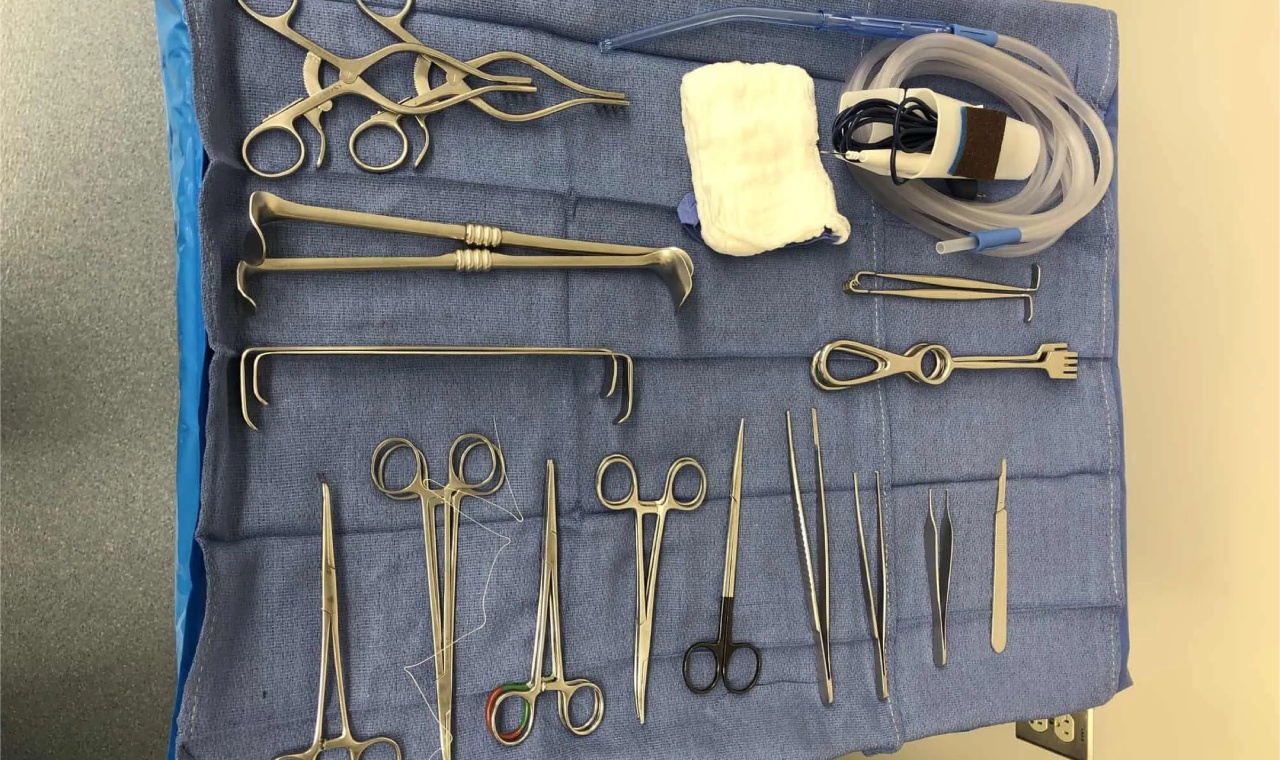
Selecting the right surgical instrument set directly affects efficiency, precision, and patient safety. Because each procedure requires specific tools, hospitals and clinics must align their instrument sets with clinical needs rather than relying on generic kits. Therefore, a structured selection process helps healthcare providers reduce errors, improve workflow, and control costs.
This guide explains how to choose the right surgical instrument set for different procedures using practical criteria that procurement teams and clinicians can apply.
Understand the Procedure Requirements First
Every surgical procedure follows a defined sequence, and each step requires specific instruments. Therefore, the first step is to map the procedure and identify the tools needed at each stage.
For example:
- Cutting and dissection require scalpels and scissors
- Grasping requires forceps and clamps
- Hemostasis requires hemostats or vessel-sealing tools
- Closure requires needle holders and sutures
By analyzing procedure steps, hospitals can build sets that match actual surgical workflows.

Choose Specialty-Specific Instrument Sets
Different specialties demand different instrument configurations. Therefore, hospitals should avoid one-size-fits-all kits and instead use sets tailored to each field.
Examples include:
- General surgery sets for routine procedures
- Orthopedic sets for bone and joint operations
- Cardiovascular sets for vascular control and precision
- Dental or oral surgery sets for localized procedures
As a result, specialty-specific sets improve efficiency and reduce unnecessary instrument handling.
Evaluate Instrument Quality and Material
Instrument quality directly impacts performance and longevity. Therefore, hospitals should prioritize medical-grade materials such as stainless steel or titanium.
When evaluating quality:
- Check corrosion resistance
- Ensure smooth joints and alignment
- Confirm sharpness and edge retention
Moreover, high-quality instruments withstand repeated sterilization, which reduces replacement costs over time.

Consider Ergonomics and Ease of Use
Surgeons and staff use instruments for extended periods, so ergonomics plays a key role in selection. Instruments should provide a comfortable grip and balanced weight.
In addition:
- Handles should reduce hand fatigue
- Locking mechanisms should operate smoothly
- Instrument design should support precision
Therefore, ergonomic tools improve both performance and user comfort.
Standardize Sets for Consistency
Standardization ensures that surgical teams receive the same instrument configuration for each procedure. As a result, staff can prepare faster and reduce the risk of missing tools.
Standardization also:
- Simplifies training
- Improves inventory management
- Reduces duplication
Consequently, hospitals maintain consistent workflows across departments.
Balance Cost with Long-Term Value
Although lower-cost instruments may seem appealing, they often require frequent replacement. Therefore, hospitals should focus on total cost of ownership rather than initial price.
High-quality sets:
- Last longer
- Perform consistently
- Reduce maintenance needs
As a result, investing in reliable instruments lowers long-term costs.

Ensure Sterilization Compatibility
Surgical instrument sets must withstand repeated sterilization without degradation. Therefore, hospitals should confirm compatibility with autoclaves, chemical sterilization, or plasma systems.
In addition:
- Instruments should resist corrosion
- Surfaces should remain intact after cycles
- Packaging should support sterile storage
This ensures long-term usability and safety.
Work with Reliable Suppliers
Supplier selection directly influences instrument quality and consistency. Therefore, hospitals should partner with suppliers who specialize in surgical instruments and provide certified products.
Reliable suppliers offer:
- Consistent quality across batches
- Transparent documentation
- Flexible order quantities
As a result, procurement becomes more predictable and efficient.
Final Thoughts
Choosing the right surgical instrument set requires a clear understanding of procedure needs, specialty requirements, and long-term performance factors. By focusing on quality, standardization, ergonomics, and supplier reliability, healthcare facilities can improve surgical outcomes while managing costs effectively.
If you are looking to source high-quality surgical instrument sets tailored to different procedures, visit Surgical Instruments. We supply reliable surgical instruments in small and bulk orders across the UK, USA, Canada, and Europe, helping healthcare providers achieve consistency and performance.