Best Practices for Storing Surgical Instruments in Hospitals: A Complete Guide


Proper storage of surgical instruments plays a critical role in maintaining sterility, performance, and patient safety. Even when hospitals follow correct cleaning and sterilization protocols, poor storage can quickly compromise instrument quality. Therefore, healthcare facilities must implement structured storage practices to protect their surgical assets.
This guide outlines the best practices for storing surgical instruments in hospitals to ensure compliance, efficiency, and long-term usability.
Store Instruments in a Clean, Controlled Environment
Hospitals must store surgical instruments in designated clean areas that maintain controlled temperature and humidity levels. Environmental stability prevents moisture buildup, which can lead to corrosion and contamination.
In addition, storage areas should:
- Remain free from dust and airborne particles
- Maintain proper ventilation
- Limit unnecessary foot traffic
As a result, a controlled environment helps preserve sterility and instrument integrity.
Use Sterile Packaging and Protective Barriers
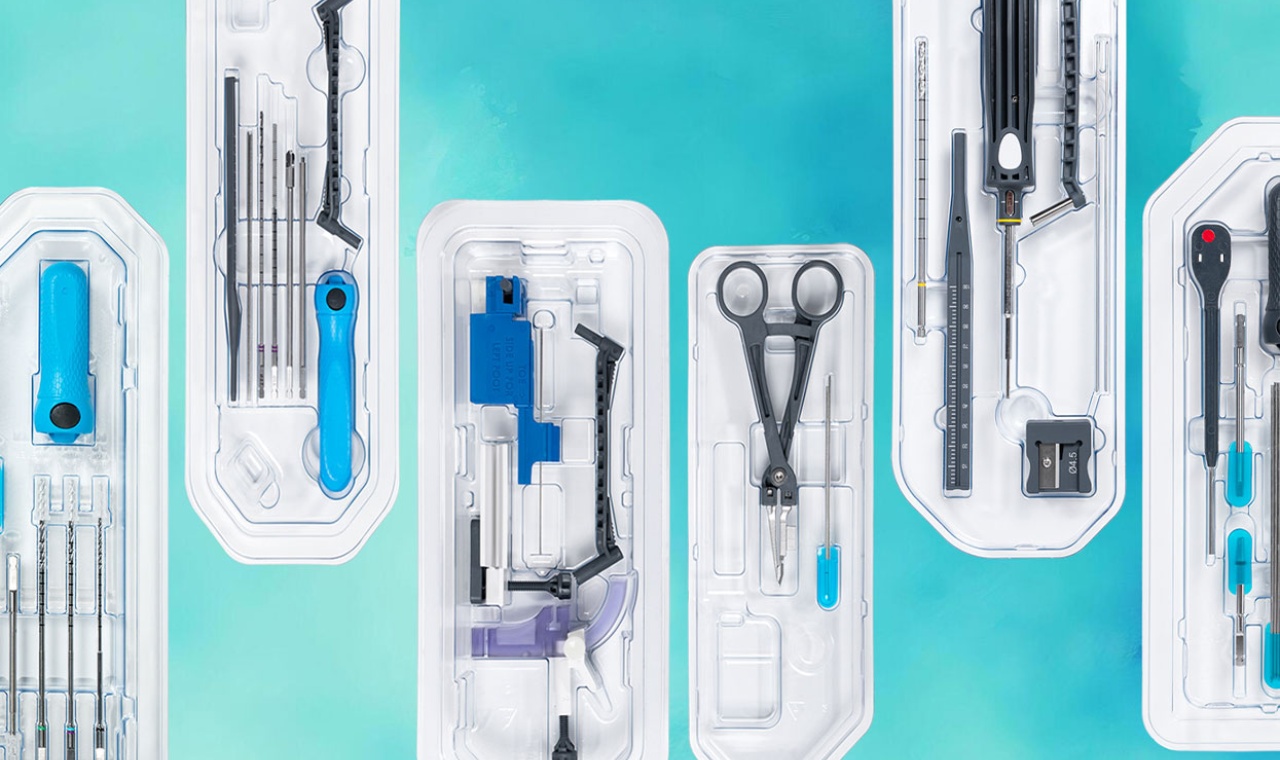
Sterilized instruments must remain sealed in approved packaging until use. Proper packaging acts as a barrier against contamination during storage and handling.
Hospitals should:
- Use sterilization pouches or wraps
- Avoid damaged or torn packaging
- Label packages clearly with dates and batch details
Moreover, staff should handle packaged instruments carefully to maintain sterility.
Organize Instruments by Procedure or Set
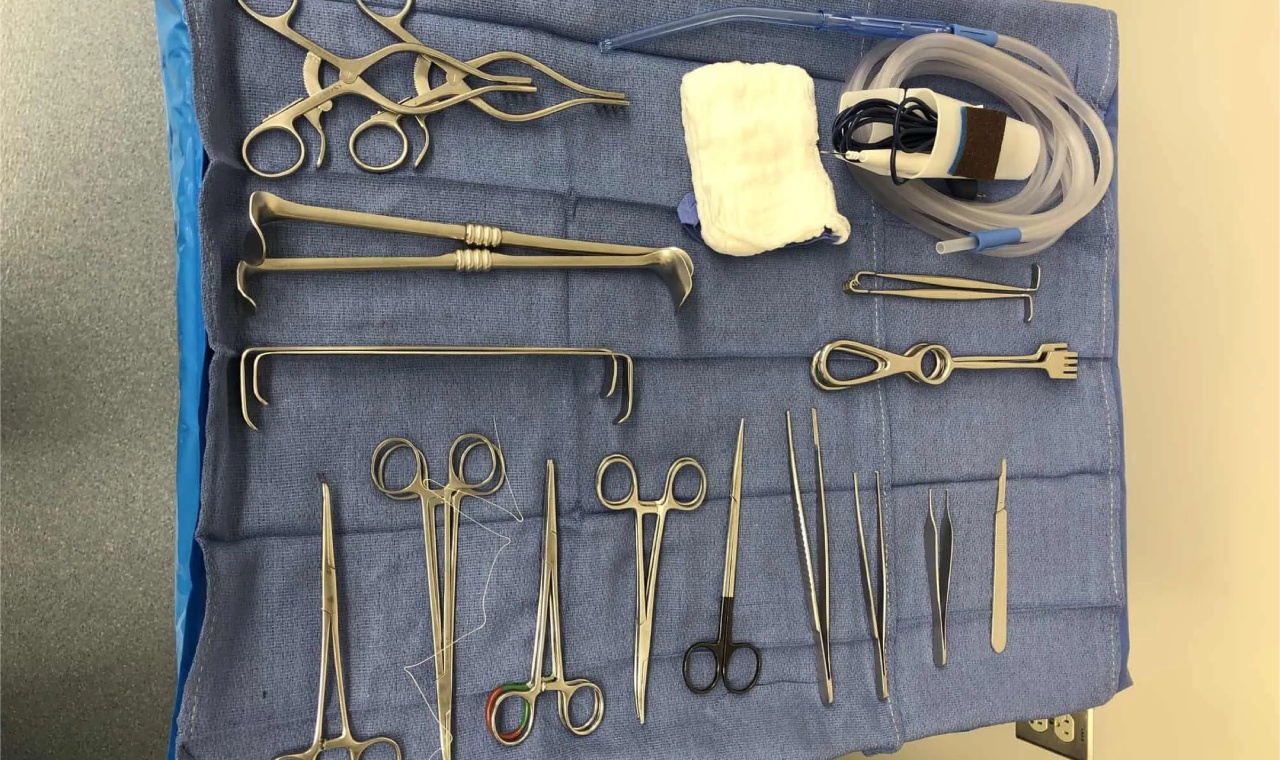
Hospitals should group instruments into standardized sets based on procedures. This approach simplifies storage, reduces handling time, and ensures readiness for surgical use.
When instruments are organized:
- Staff locate tools quickly
- Preparation time decreases
- Inventory tracking improves
Consequently, organization enhances both efficiency and accuracy.
Implement First-In, First-Out (FIFO) Inventory Rotation
Hospitals should follow a first-in, first-out (FIFO) system when storing surgical instruments. This method ensures older sterilized packs are used before newer ones.
FIFO helps:
- Maintain sterility timelines
- Prevent expired packaging use
- Reduce unnecessary re-sterilization
Therefore, rotation systems support both safety and cost control.
Avoid Overcrowding Storage Areas
Overcrowding can damage packaging and restrict airflow, which increases the risk of contamination. Hospitals should maintain adequate spacing between instrument trays and shelves.
In addition:
- Shelves should allow easy access
- Heavy stacking should be avoided
- Storage layouts should support smooth workflow
As a result, proper spacing protects both packaging and instruments.
Use Proper Shelving and Storage Equipment
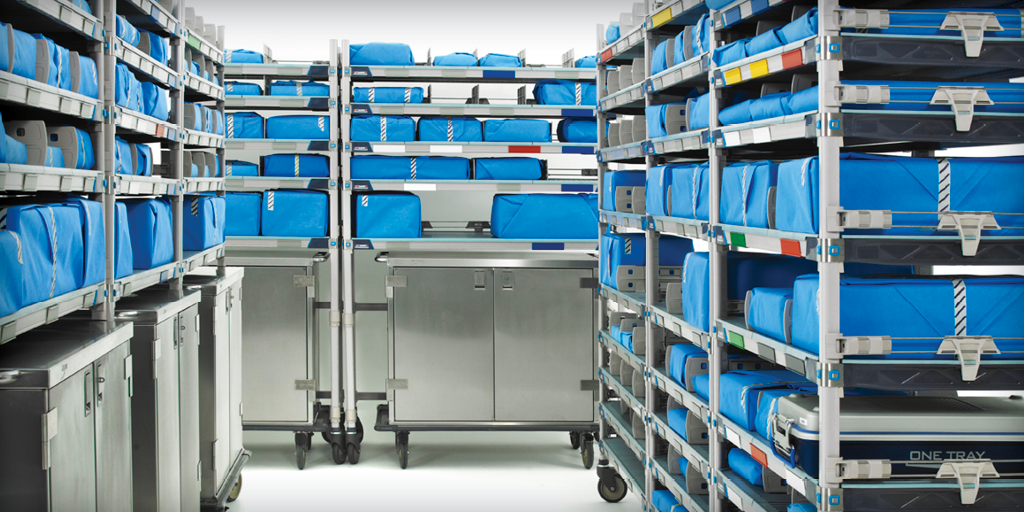
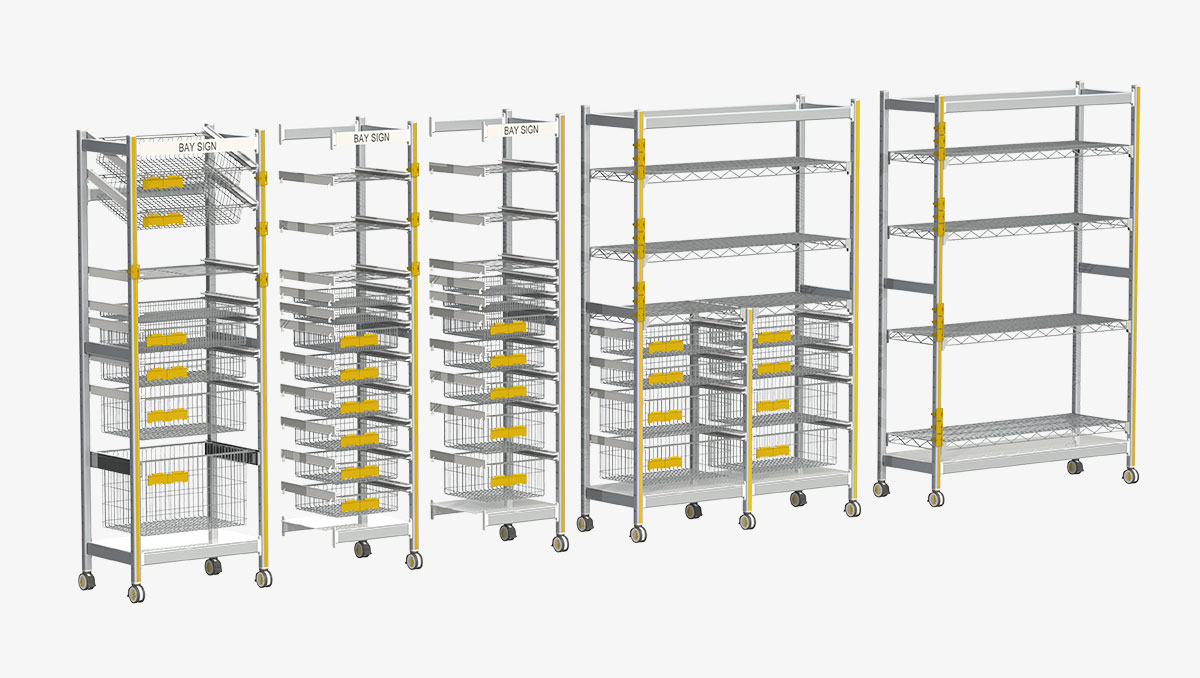
Hospitals should invest in high-quality shelving systems designed for medical storage. Stainless steel racks or coated shelving resist corrosion and support hygiene standards.
Additionally:
- Shelves should remain easy to clean
- Storage units should elevate instruments off the floor
- Cabinets should protect against environmental exposure
These measures ensure compliance with healthcare regulations.
Monitor Storage Conditions Regularly
Hospitals must monitor temperature, humidity, and cleanliness in storage areas. Regular checks ensure that conditions remain within acceptable limits.
Monitoring systems help:
- Detect environmental changes early
- Prevent contamination risks
- Maintain compliance records
Therefore, consistent monitoring supports long-term storage quality.
Train Staff on Proper Handling and Storage
Staff handling plays a key role in maintaining instrument sterility. Hospitals should train personnel on correct storage procedures and handling techniques.
Training should cover:
- Safe transport of sterile packs
- Proper placement on shelves
- Avoiding unnecessary handling
As a result, trained staff reduce errors and extend instrument usability.
Final Thoughts
Storing surgical instruments correctly is just as important as cleaning and sterilization. By maintaining controlled environments, using proper packaging, organizing instrument sets, and training staff, hospitals can protect instrument quality and ensure patient safety. Consistent storage practices reduce contamination risks and improve overall efficiency.
If you are looking for high-quality surgical instruments designed for durability and safe storage, visit Surgical Instruments. We supply reliable surgical instruments in small and bulk orders across the UK, USA, Canada, and Europe, supporting hospitals with consistent quality and performance.