Blog
How to Clean Surgical Instruments Properly: A Step-by-Step Guide for Healthcare Facilities

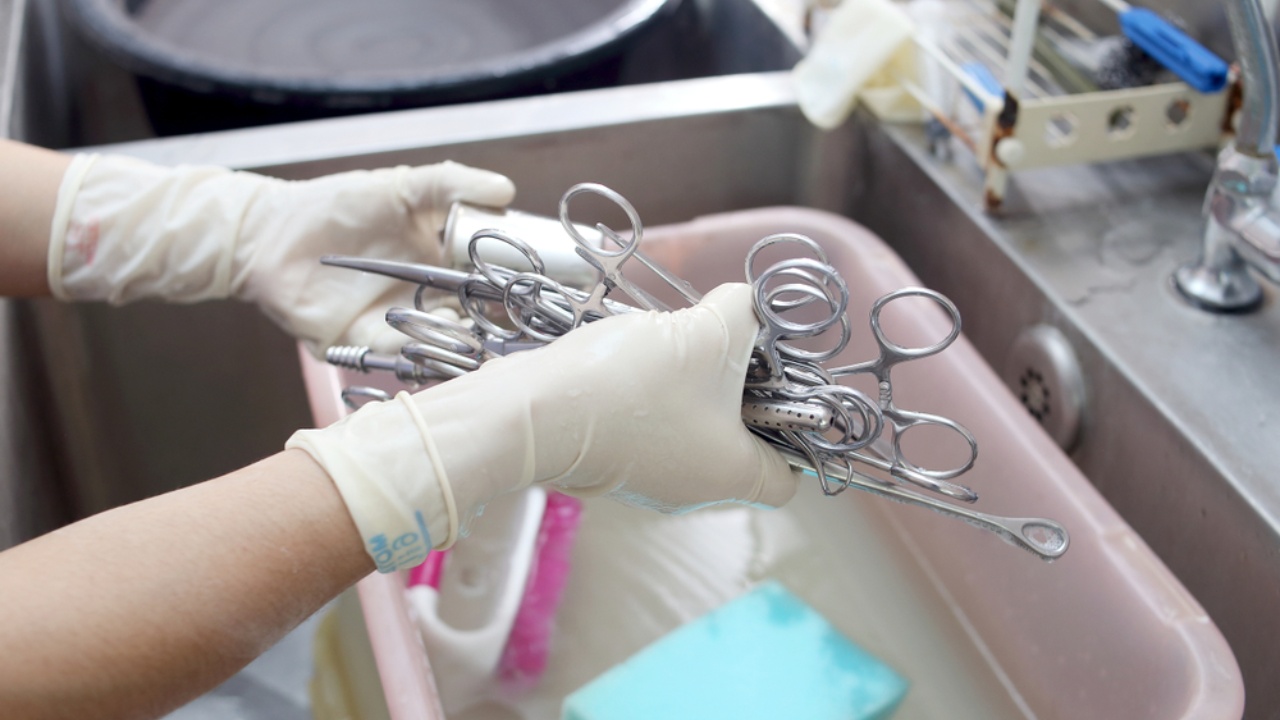
Cleaning surgical instruments is the foundation of infection control in any healthcare environment. Before sterilization can occur, instruments must be thoroughly cleaned to remove blood, tissue, and organic debris. Without proper cleaning, even the most advanced sterilization methods lose effectiveness.
This guide explains how to clean surgical instruments correctly, why each step matters, and how healthcare facilities can maintain instrument performance and safety.
Why Proper Cleaning of Surgical Instruments Is Critical
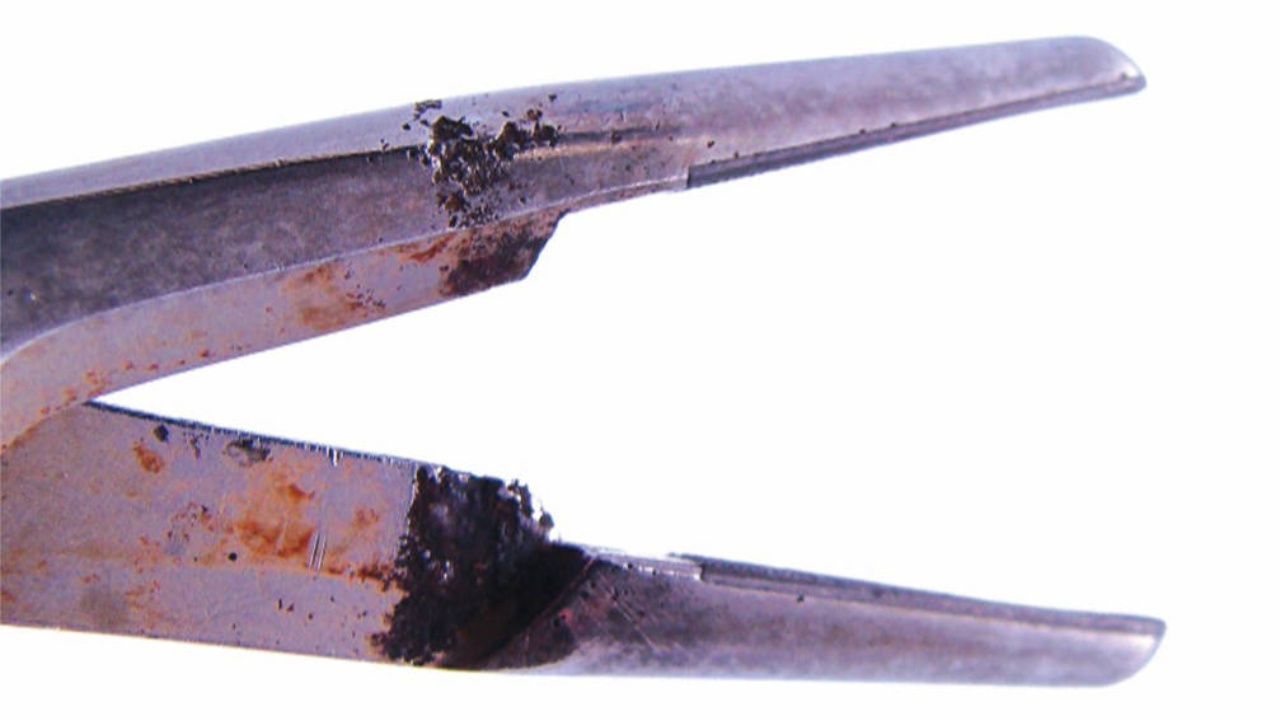
Surgical instruments come into direct contact with bodily fluids and tissue. Therefore, immediate and thorough cleaning prevents contamination, corrosion, and biofilm formation.
In addition, proper cleaning:
- Improves sterilization effectiveness
- Extends instrument lifespan
- Prevents staining and corrosion
- Maintains compliance with healthcare standards
As a result, cleaning is not optional. It is a required step before disinfection and sterilization.
Step 1: Pre-Cleaning Immediately After Use
Cleaning should begin as soon as possible after a procedure. When debris dries on instruments, removal becomes more difficult and can damage surfaces.
At this stage:
- Wipe instruments with a damp, lint-free cloth
- Keep instruments moist until full cleaning begins
- Avoid saline solutions, as they promote corrosion
Prompt pre-cleaning significantly reduces long-term damage.
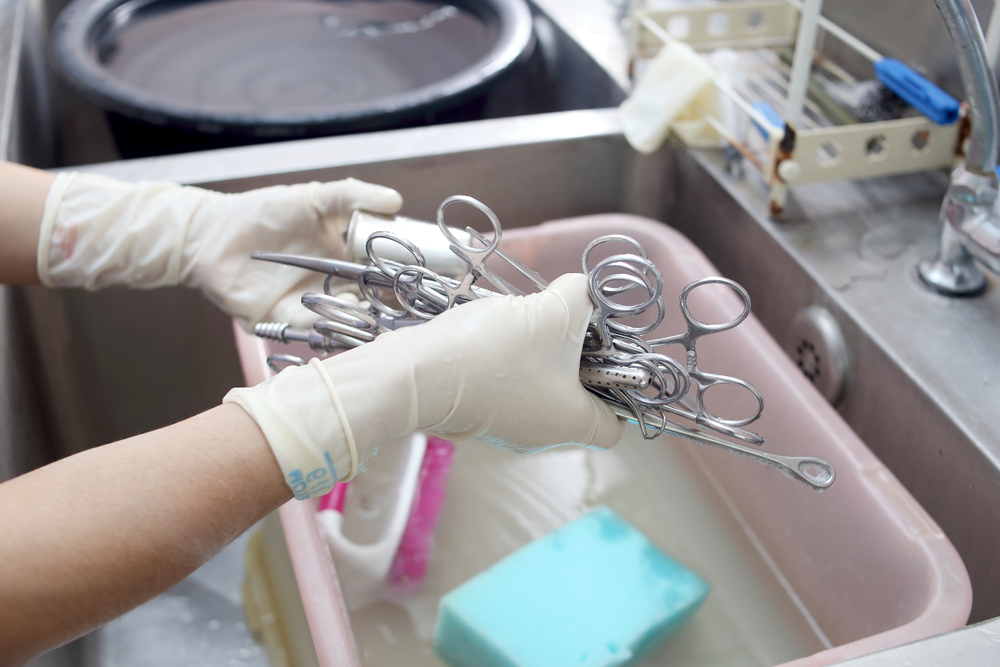
Step 2: Manual Cleaning With Enzymatic Detergent
Manual cleaning removes visible contamination and prepares instruments for further processing.
To clean instruments effectively:
- Use medical-grade enzymatic detergents
- Follow manufacturer-recommended dilution ratios
- Brush joints, hinges, and serrations gently
- Use soft, non-metal brushes
Moreover, staff should wear appropriate protective equipment during this process to maintain safety.
Step 3: Rinsing Thoroughly With Clean Water
After cleaning, rinse instruments thoroughly to remove detergent residue. Leftover chemicals can interfere with sterilization and damage metal surfaces.
Use:
- Clean, preferably deionized water
- Adequate water pressure to flush joints and crevices
Proper rinsing ensures that instruments remain chemically neutral.
Step 4: Ultrasonic Cleaning for Complex Instruments
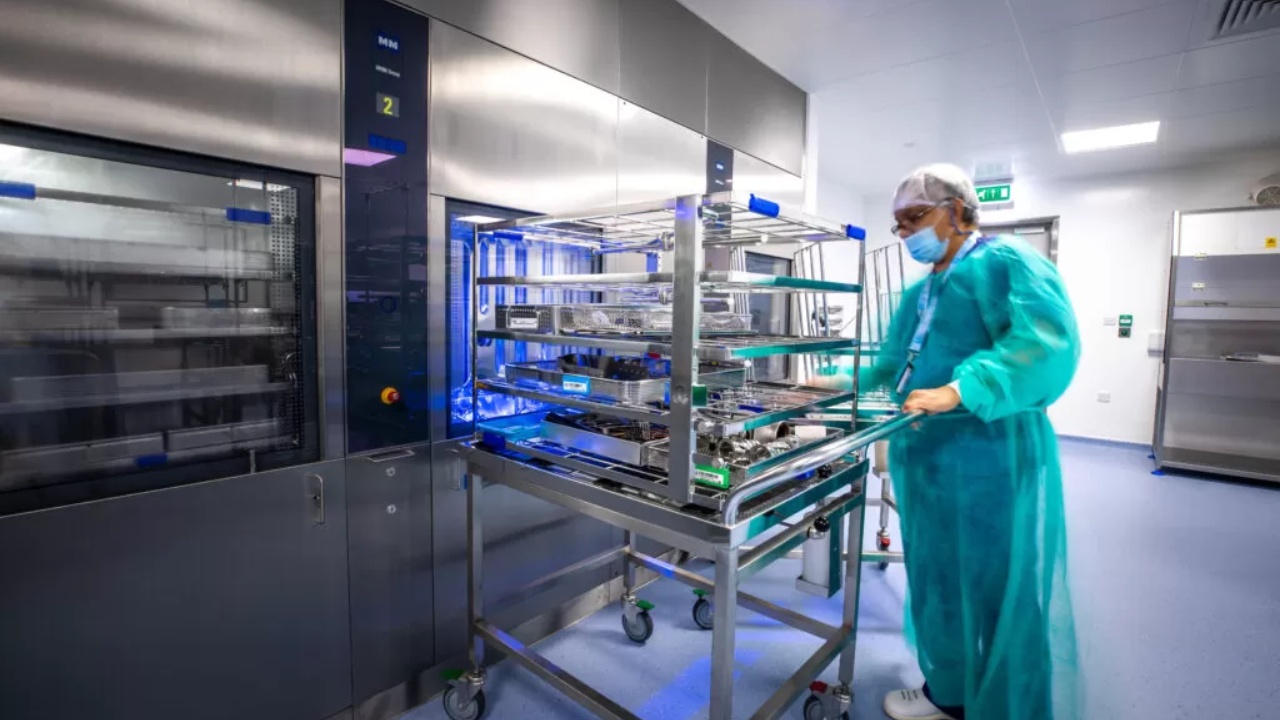
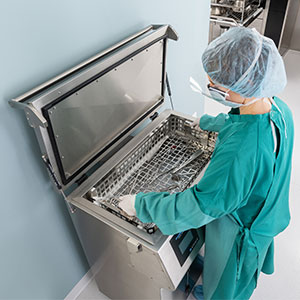
Ultrasonic cleaners provide deep cleaning for instruments with intricate designs.
These machines:
- Use high-frequency sound waves
- Remove debris from hard-to-reach areas
- Improve cleaning consistency
Therefore, facilities often use ultrasonic cleaning as a supplement to manual cleaning rather than a replacement.
Step 5: Inspection After Cleaning
Once cleaning is complete, staff should inspect each instrument carefully.
Inspection helps identify:
- Remaining debris
- Corrosion or staining
- Mechanical damage or misalignment
If contamination remains, instruments must return to the cleaning stage before sterilization proceeds.
Step 6: Drying Before Sterilization
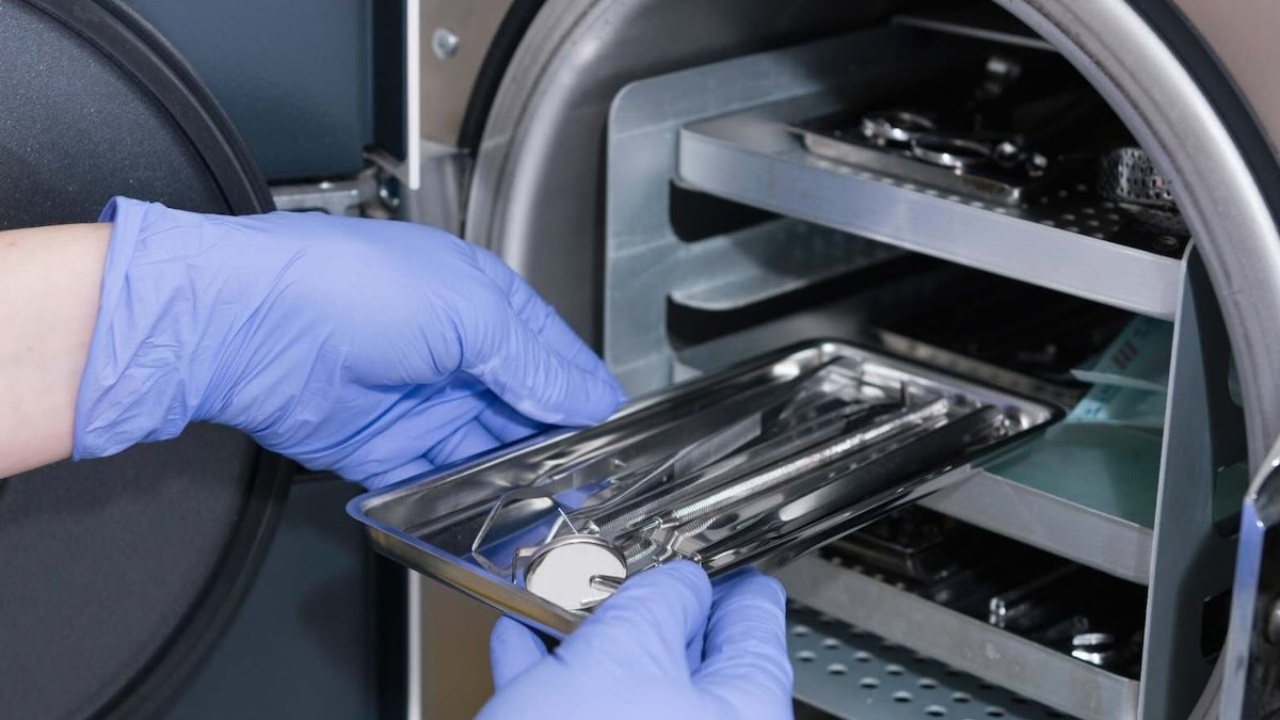
Dry instruments completely before packaging and sterilization. Moisture left on instruments can cause corrosion and compromise sterilization outcomes.
Use:
- Lint-free towels
- Medical-grade air drying systems
Drying completes the cleaning process and prepares instruments for the next stage.
Common Mistakes to Avoid When Cleaning Surgical Instruments
Facilities sometimes compromise instrument quality through avoidable mistakes. For example, using abrasive brushes damages protective surfaces. Similarly, delaying cleaning allows debris to harden and increases corrosion risk.
Therefore, consistent protocols and staff training remain essential for maintaining instrument quality.
Final Thoughts
Cleaning surgical instruments requires consistency, proper technique, and attention to detail. By following structured cleaning steps, healthcare facilities protect patients, preserve instrument performance, and support effective sterilization. Clean instruments form the foundation of safe surgical care.
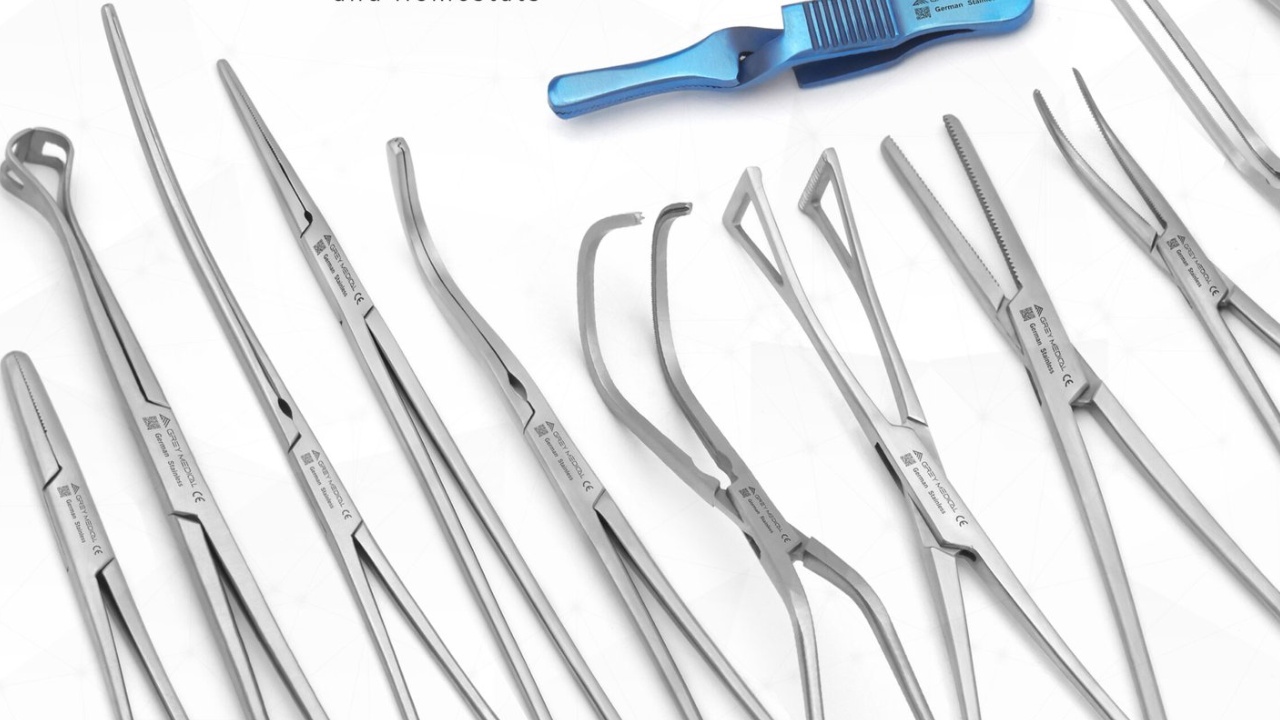
If you are looking for high-quality surgical instruments designed for repeated cleaning and sterilization, visit bssurgicalinstruments.co.uk. We supply durable surgical instruments in small and bulk orders across the UK, USA, Canada, and Europe.