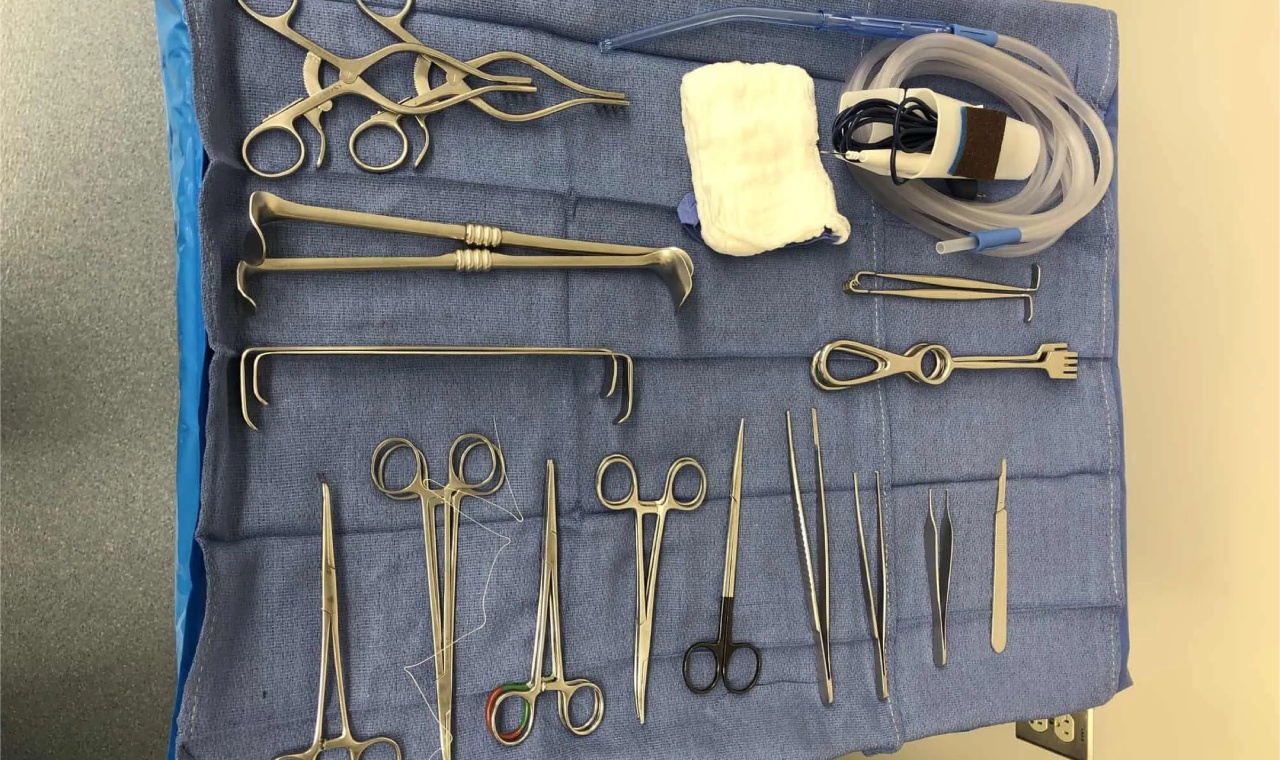
How Hospitals Can Reduce Costs When Purchasing Surgical Instruments: A Practical Guide


Hospitals face constant pressure to control costs without compromising patient care. Surgical instruments represent a significant investment, especially for facilities that perform high volumes of procedures. Therefore, hospitals must adopt smart purchasing strategies to reduce expenses while maintaining quality and compliance.
This guide explains how hospitals can reduce costs when purchasing surgical instruments through better planning, sourcing, and inventory management.
Standardize Instrument Sets Across Departments
Hospitals often purchase duplicate or slightly varied instruments across departments. However, standardizing instrument sets reduces unnecessary variation and simplifies procurement.
When hospitals standardize:
- Staff training becomes easier
- Inventory management improves
- Bulk purchasing becomes more effective
As a result, hospitals reduce both purchasing and operational costs.
Buy in Bulk and Plan Procurement Cycles
Bulk purchasing allows hospitals to negotiate better pricing and reduce per-unit costs. Instead of placing frequent small orders, procurement teams should forecast demand and consolidate purchases.
Moreover, planned procurement cycles:
- Reduce emergency purchases
- Improve supplier relationships
- Lower shipping and handling costs
Therefore, hospitals gain both financial and logistical advantages.
Choose Durable, High-Quality Instruments
Although low-cost instruments may seem attractive initially, they often lead to higher long-term expenses due to frequent replacements.
High-quality instruments:
- Last longer under repeated sterilization
- Maintain performance over time
- Reduce maintenance and replacement costs
Consequently, investing in quality lowers total cost of ownership.

Work with Reliable and Specialized Suppliers
Choosing the right supplier directly affects pricing, consistency, and after-sales support. Specialized surgical instrument suppliers often provide better product quality and more consistent batches.
In addition:
- Reliable suppliers reduce defect rates
- Long-term partnerships improve pricing terms
- Transparent communication prevents delays
Therefore, supplier selection plays a major role in cost control.
Optimize Sterilization and Maintenance Practices
Proper cleaning, handling, and sterilization extend the lifespan of surgical instruments. Poor maintenance, on the other hand, leads to corrosion, dull edges, and mechanical failure.
Hospitals should:
- Use approved cleaning solutions
- Train staff on proper handling
- Inspect instruments regularly
As a result, well-maintained instruments last longer and reduce replacement frequency.
Use Reusable Instruments Where Possible
Reusable instruments offer significant cost advantages over disposable alternatives when used correctly. Although initial costs may be higher, reusable tools provide better long-term value.
However, hospitals must ensure proper sterilization protocols to maintain safety and compliance.
Leverage Supplier Negotiations and Contracts
Hospitals can reduce costs further by negotiating long-term contracts with suppliers. Volume commitments often lead to discounted pricing and priority service.
Additionally:
- Contracts stabilize pricing
- Suppliers offer better payment terms
- Procurement becomes more predictable
Therefore, strategic negotiation improves overall cost efficiency.
Implement Inventory Tracking Systems
Hospitals often lose money through overstocking, understocking, or misplaced instruments. Inventory tracking systems help monitor usage and prevent unnecessary purchases.
With proper tracking:
- Procurement becomes data-driven
- Waste and duplication decrease
- Instrument availability improves
Consequently, hospitals maintain better control over spending.

Train Staff to Handle Instruments Properly
Staff handling directly affects instrument lifespan. When staff use improper techniques, instruments wear out faster.
Training programs help:
- Reduce accidental damage
- Improve cleaning consistency
- Maintain instrument performance
As a result, hospitals avoid unnecessary replacement costs.
Final Thoughts
Hospitals can significantly reduce costs when purchasing surgical instruments by combining smart procurement strategies with proper maintenance practices. Standardization, bulk purchasing, supplier selection, and inventory control all contribute to long-term savings without compromising quality or patient safety.
If you are looking to reduce procurement costs while maintaining high-quality standards, visit Surgical Instruments. We supply durable surgical instruments in small and bulk orders across the UK, USA, Canada, and Europe, helping healthcare providers achieve better value and reliability.