
How to Choose Dental Surgical Instruments by Specialty: A Practical Buying Guide

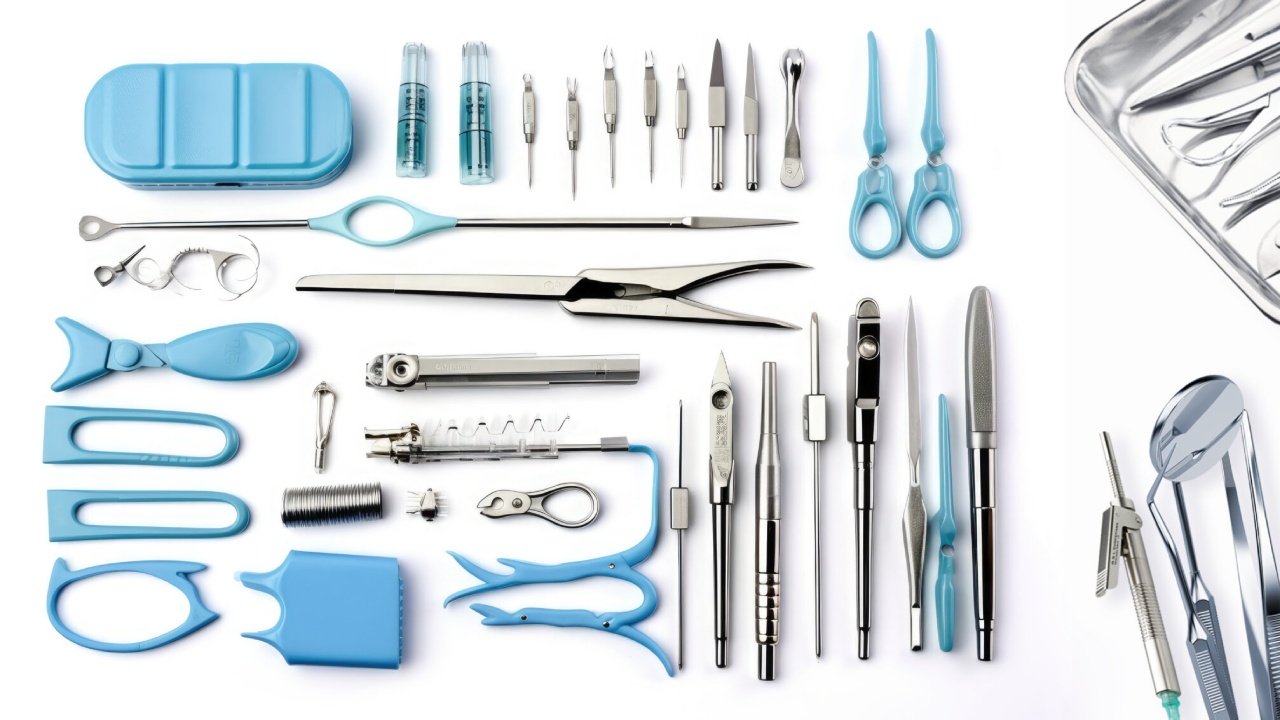
Dental surgery relies on precision, control, and efficiency. Because each dental specialty focuses on different procedures, no single instrument set fits every practice. Therefore, choosing dental surgical instruments by specialty helps clinicians work more accurately while protecting patients and extending instrument lifespan.
This guide explains how to select the right dental surgical instruments based on specialty, procedure type, and clinical workload.
Why Specialty-Based Selection Matters
Dental instruments vary in size, angulation, and function. As a result, instruments designed for one specialty often perform poorly in another.
When clinics select instruments by specialty, they:
- Improve procedural accuracy
- Reduce operator fatigue
- Minimize tissue trauma
- Increase workflow efficiency
Moreover, specialty-based selection simplifies inventory management and reduces unnecessary purchases.
General Dentistry: Versatility and Daily Use
General dentistry requires instruments that support routine procedures such as examinations, extractions, scaling, and restorative work.
Clinics should prioritize:
- Examination sets including mirrors, probes, and explorers
- Extraction forceps and elevators
- Curettes and scalers
- Needle holders and basic surgical scissors
Because these instruments undergo frequent use, durability and corrosion resistance remain critical selection factors.
Oral and Maxillofacial Surgery: Strength and Precision
Oral and maxillofacial surgeons perform complex procedures involving bone, impacted teeth, and facial structures. Therefore, they require instruments built for strength and stability.
Key instruments include:
- Surgical elevators and luxators
- Bone files, rongeurs, and chisels
- Heavy-duty extraction forceps
- Retractors and surgical curettes
In addition, ergonomic handles help reduce hand fatigue during long procedures.
Periodontology: Fine Control and Tissue Preservation
Periodontal procedures focus on soft tissue management and root surfaces. As a result, instrument design emphasizes precision and tactile sensitivity.
Periodontology instrument sets typically include:
- Gracey and universal curettes
- Periodontal knives
- Fine tissue forceps
- Delicate surgical scissors
Because periodontal work involves small working areas, balance and tip sharpness directly affect outcomes.
Endodontics: Access and Accuracy
Endodontic procedures require access to narrow root canals and confined spaces. Therefore, clinicians must select instruments that offer flexibility and precise control.
Essential instruments include:
- Endodontic explorers
- Micro forceps
- Surgical burs and files
- Apical elevators
Additionally, compatibility with magnification systems enhances accuracy during treatment.
Orthodontic Surgery: Grip and Durability
Orthodontic surgical procedures involve wire placement, adjustments, and appliance removal. As a result, instruments must deliver strong grip without surface damage.
Common orthodontic instruments include:
- Ligature cutters
- Wire cutters and pliers
- Band removing pliers
- Distal end cutters
Because orthodontic tools experience mechanical stress, material quality directly affects longevity.
Implant Dentistry: Precision and Sterilization Compatibility
Implant dentistry demands strict accuracy and sterility. Therefore, implant instruments must support controlled placement and withstand repeated sterilization cycles.
Implant-specific instruments include:
- Implant drivers and torque wrenches
- Depth gauges
- Surgical retractors
- Bone spreaders and drills
Clinics should also ensure compatibility with specific implant systems before purchasing.
Pediatric Dentistry: Size and Safety
Pediatric dentistry requires smaller, lightweight instruments designed for young patients. Therefore, comfort and control take priority.
Pediatric sets often include:
- Smaller extraction forceps
- Lightweight elevators
- Rounded-edge instruments
- Child-sized retractors
Appropriate sizing improves patient cooperation and procedural safety.
Key Factors to Consider Across All Specialties
Regardless of specialty, clinics should evaluate several core factors. These include material quality, ergonomics, sterilization compatibility, and manufacturer consistency.
Furthermore, standardized instrument sets reduce setup time and simplify staff training.
Final Thoughts
Choosing dental surgical instruments by specialty improves clinical performance, patient safety, and long-term efficiency. Each dental field demands specific tools designed for its procedures, and understanding these differences helps clinics invest wisely.
If you are looking to source high-quality dental surgical instruments tailored to specific specialties, visit bssurgicalinstruments.co.uk. We supply reliable dental and surgical instruments in small and bulk orders across the UK, USA, Canada, and Europe.