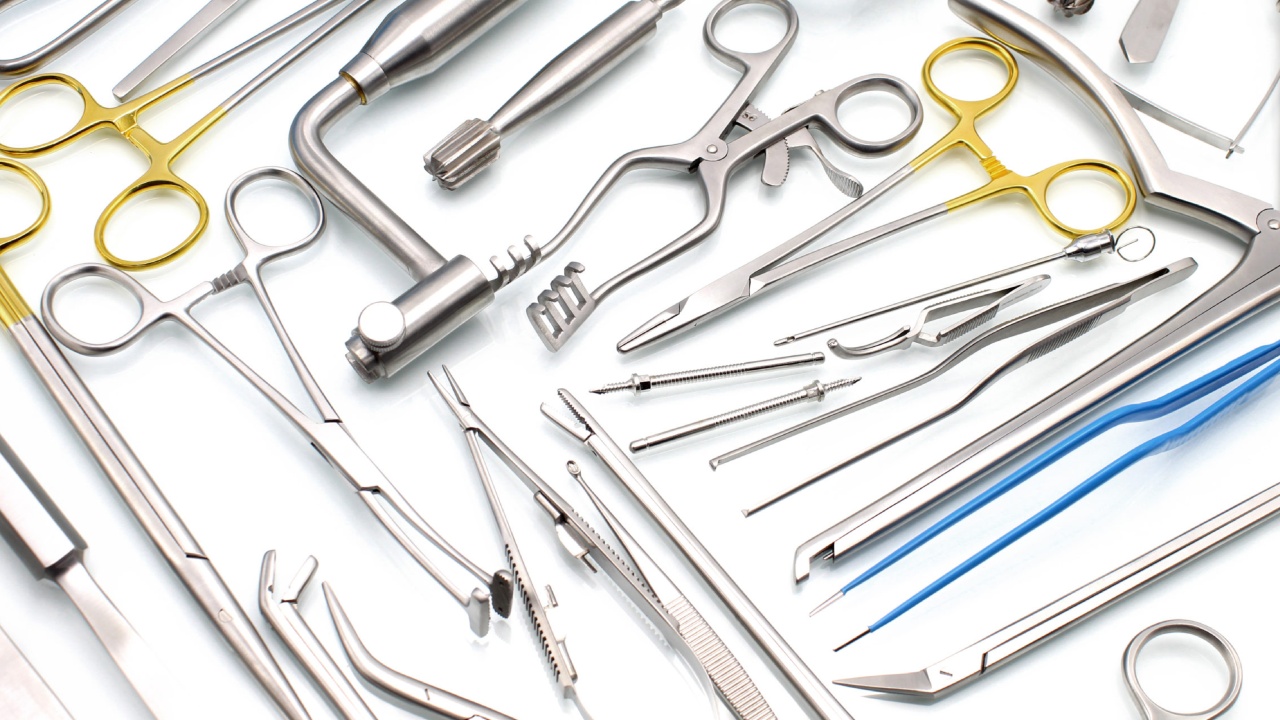
Which of the Following Decontaminates and Sterilizes Surgical Instruments? A Clear Explanation

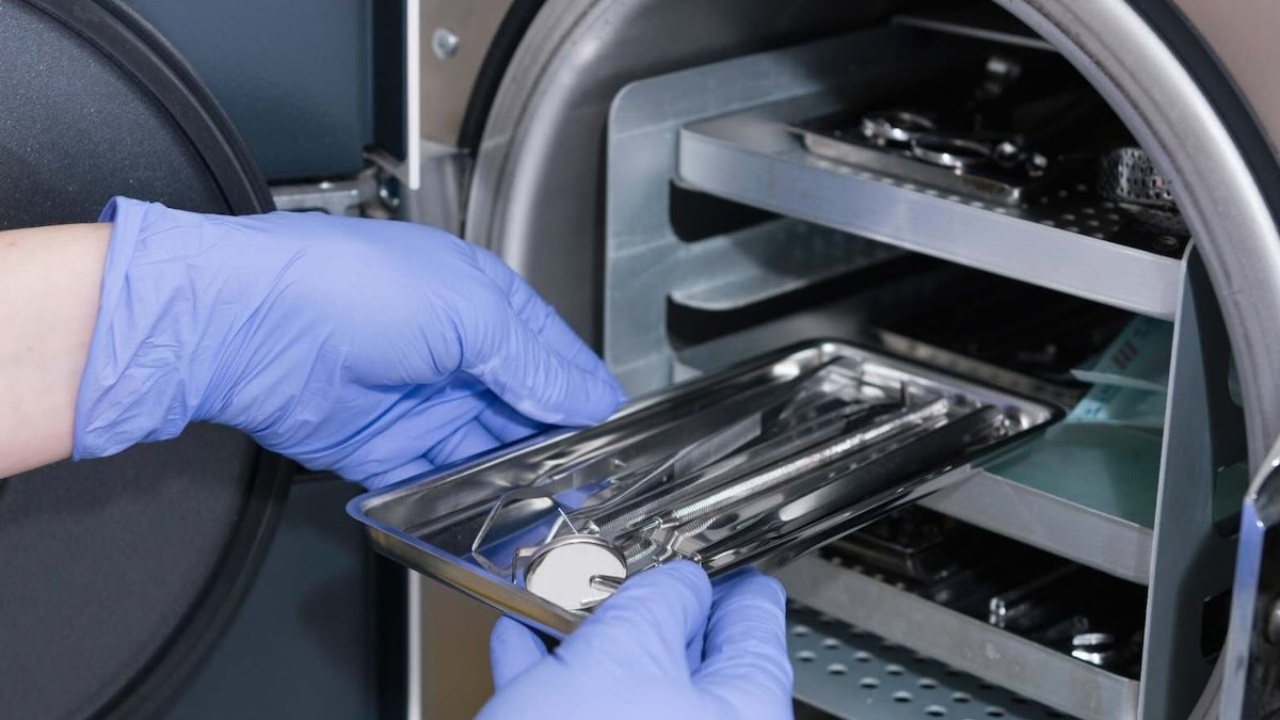
In healthcare settings, decontamination and sterilization protect patients from infection and ensure safe surgical outcomes. However, many professionals and students ask an important question: which process or equipment actually decontaminates and sterilizes surgical instruments?
The answer depends on understanding the difference between decontamination and sterilization, as well as the equipment used at each stage. While some methods assist with both, only specific systems achieve complete sterilization.
Understanding Decontamination vs Sterilization
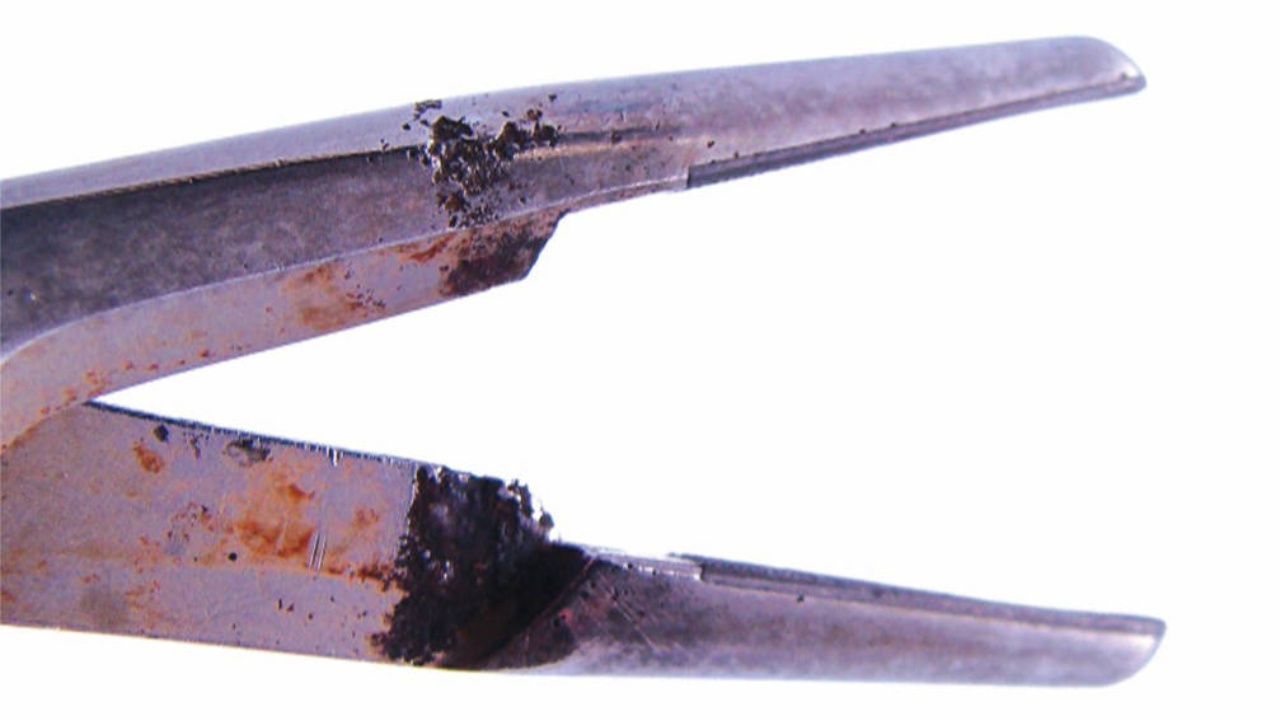
Decontamination refers to the removal of visible soil, organic matter, and many microorganisms from surgical instruments. This step reduces infection risk and prepares instruments for further processing.
Sterilization, on the other hand, destroys all microorganisms, including bacteria, viruses, fungi, and spores. Therefore, sterilization provides the highest level of instrument safety.
Because of this distinction, not all equipment performs both functions fully.
Washer-Disinfectors: Decontamination, Not Sterilization
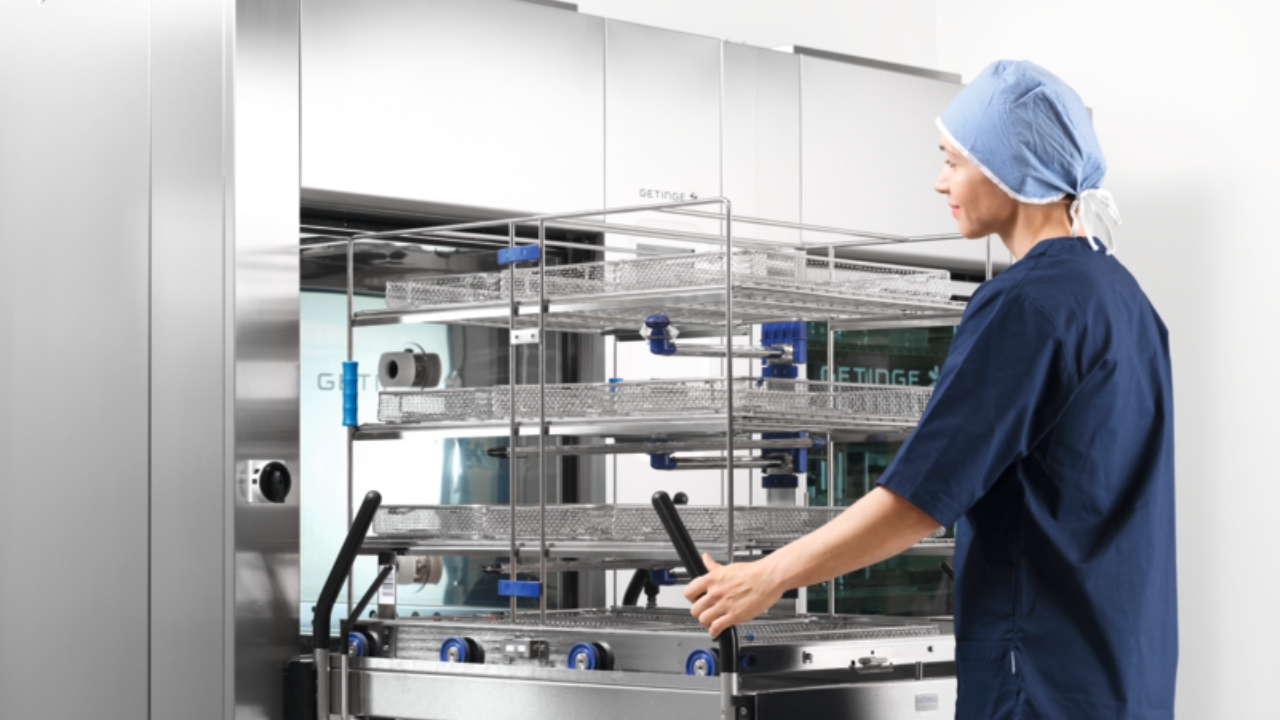
Washer-disinfectors play a major role in instrument reprocessing. These machines clean and thermally disinfect surgical instruments using water, detergents, and high temperatures.
They:
- Remove blood, tissue, and debris
- Reduce microbial contamination
- Provide consistent, automated cleaning
However, washer-disinfectors do not sterilize instruments. Instead, they prepare instruments for sterilization by ensuring they are clean and safe to handle.
Ultrasonic Cleaners: Enhanced Decontamination Only
Ultrasonic cleaners use high-frequency sound waves to remove debris from hard-to-reach areas such as hinges and serrations.
They improve decontamination by:
- Reaching microscopic crevices
- Reducing manual cleaning effort
- Supporting consistent results
Nevertheless, ultrasonic cleaners do not sterilize. They only assist in the cleaning stage.
Autoclaves: Decontamination and Sterilization Combined
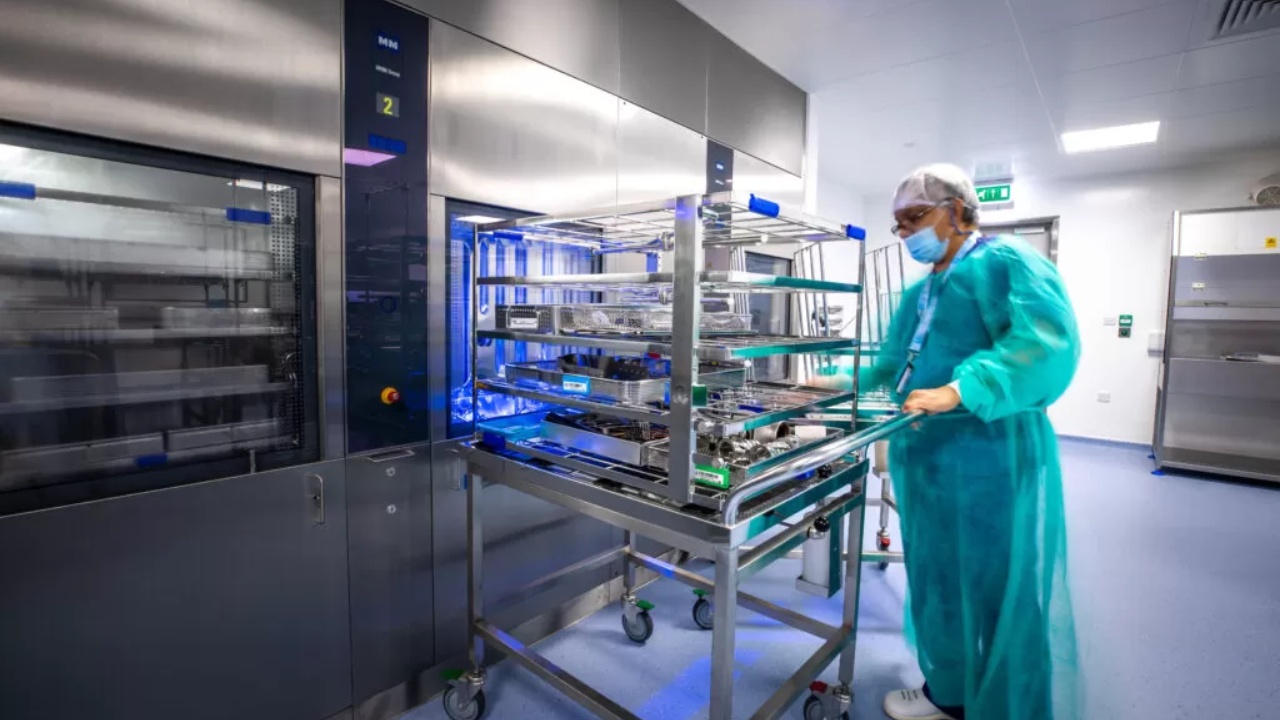
Autoclaves are the primary equipment that sterilizes surgical instruments. At the same time, they also contribute to final-stage decontamination through high-temperature exposure.
Autoclaves use pressurized steam to:
- Kill all microorganisms and spores
- Achieve full sterilization
- Meet international healthcare standards
Because of this, autoclaves represent the correct answer when asked which equipment decontaminates and sterilizes surgical instruments in a clinical workflow.
Chemical Sterilants: Sterilization for Heat-Sensitive Instruments
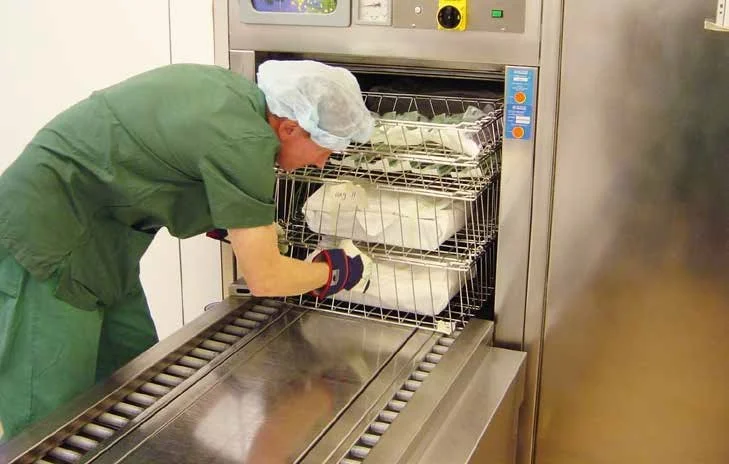
Chemical sterilants such as ethylene oxide or hydrogen peroxide plasma sterilize instruments that cannot tolerate high heat.
These systems:
- Achieve sterilization without steam
- Support complex or delicate instruments
- Require strict handling and aeration protocols
Although they sterilize effectively, they do not replace cleaning. Instruments must still undergo proper decontamination first.
Why Autoclaves Remain the Gold Standard
Autoclaves continue to dominate healthcare sterilization because they are reliable, cost-effective, and widely validated. In addition, they support high instrument volumes and integrate well into centralized sterile processing workflows.
As a result, most hospitals rely on autoclaves as the final and decisive step in instrument reprocessing.
Common Misconceptions to Avoid
Some assume that cleaning or disinfection alone equals sterilization. However, this belief leads to serious infection risks. Cleaning reduces contamination, but only sterilization eliminates all microorganisms.
Therefore, healthcare facilities must always combine proper decontamination with validated sterilization methods.
Final Thoughts
Washer-disinfectors and ultrasonic cleaners decontaminate surgical instruments, but autoclaves are the equipment that both completes decontamination and achieves full sterilization. Chemical sterilization systems also provide sterilization when steam is unsuitable. By understanding these roles, healthcare professionals can maintain safe, compliant instrument workflows.
If you are sourcing surgical instruments designed to withstand professional decontamination and repeated sterilization, visit bssurgicalinstruments.co.uk. We supply high-quality surgical instruments in small and bulk orders across the UK, USA, Canada, and Europe.