What Are Surgical Instruments Made Of? Materials Used in Modern Medical Tools

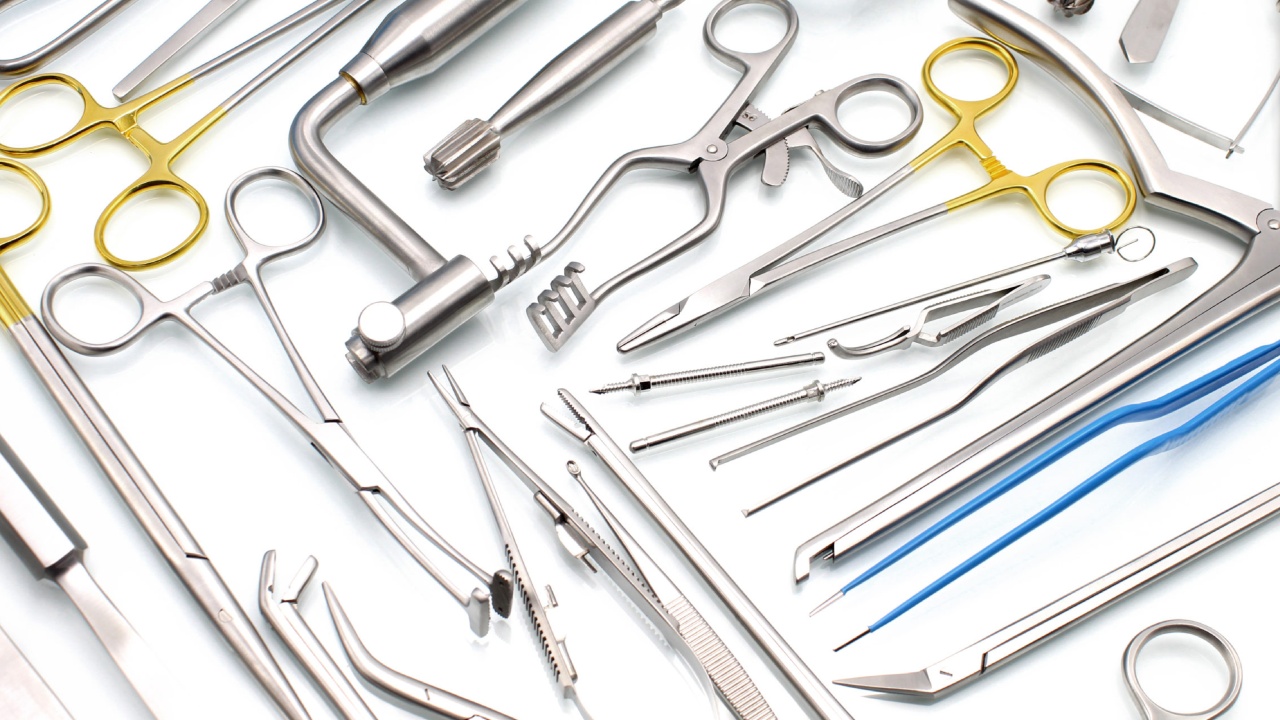
Surgical instruments play a critical role in every healthcare setting. Doctors and surgeons rely on them for accuracy, safety, and consistency. Therefore, manufacturers carefully select materials that can handle repeated sterilization, resist corrosion, and maintain precision under pressure.
Understanding what surgical instruments are made of helps healthcare buyers choose tools that last longer, perform better, and protect patient safety.
Why Material Choice Matters in Surgical Instruments
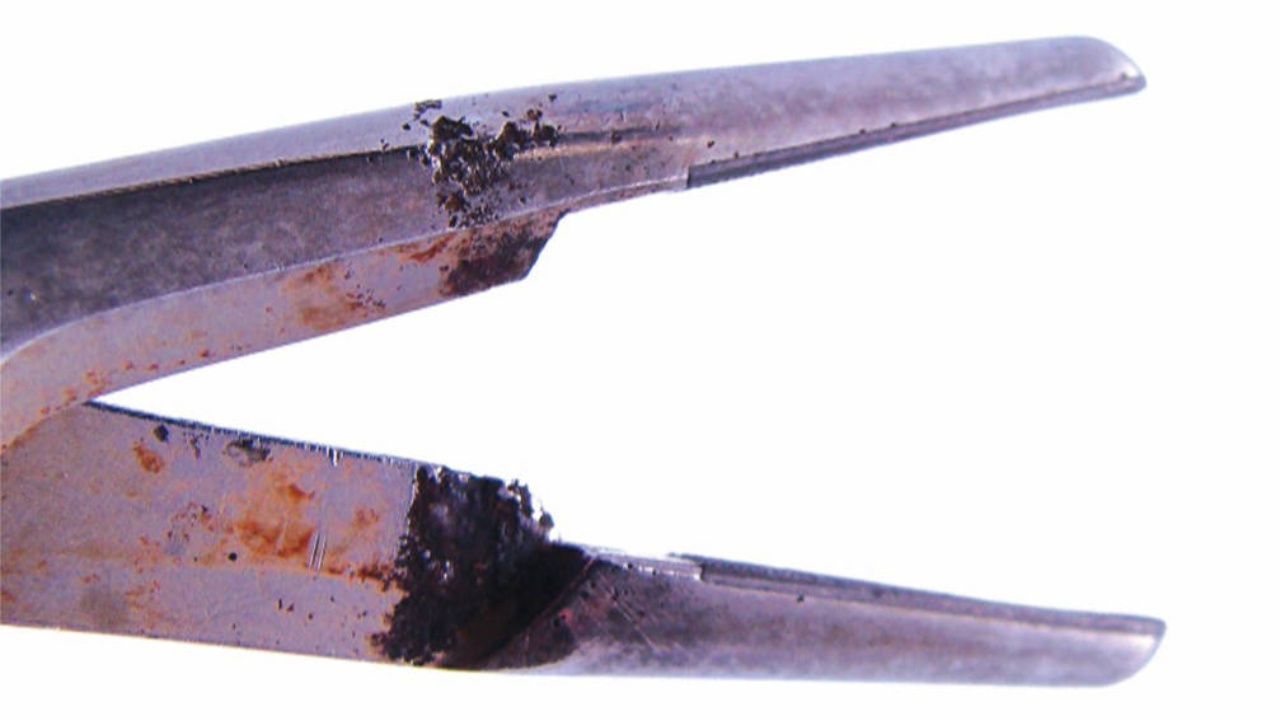
Surgical instruments face extreme conditions every day. For example, they endure high temperatures, constant moisture, and mechanical stress during procedures and sterilization cycles. Because of this, material quality directly affects durability and performance.
Moreover, the right materials prevent rust, support repeated sterilization, maintain structural strength, and reduce long-term replacement costs. As a result, healthcare providers in the UK, USA, Canada, and Europe place strong emphasis on material standards when sourcing surgical instruments.
If you are looking for surgical instruments manufactured from certified materials, visit bssurgicalinstruments.co.uk to order in small or bulk quantities across the UK, USA, Canada, and Europe.
Stainless Steel: The Industry Standard
Manufacturers use medical-grade stainless steel for most surgical instruments because it combines strength, hygiene, and corrosion resistance. This balance makes it ideal for daily clinical use.
Specifically, stainless steel resists rust after repeated sterilization, maintains sharp edges, and cleans easily without surface damage. In addition, manufacturers use different grades for different purposes. Martensitic stainless steel suits cutting instruments such as scissors, while austenitic stainless steel works better for non-cutting tools due to its higher corrosion resistance.
Titanium: Lightweight and High Strength
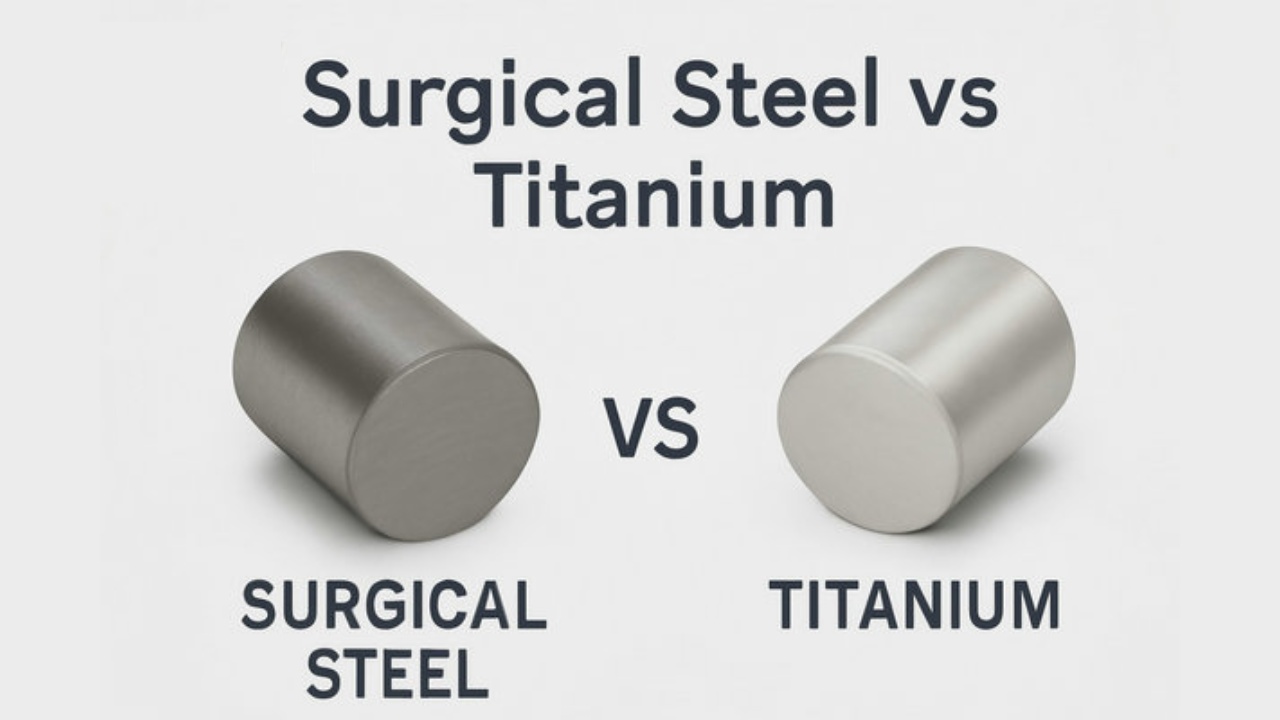
Titanium instruments serve specialized surgical fields where precision and comfort matter most. Surgeons often prefer titanium because it reduces hand fatigue during long procedures.
Furthermore, titanium weighs significantly less than steel, resists corrosion exceptionally well, and remains non-magnetic. Because of these advantages, manufacturers commonly use titanium in orthopedic, microsurgical, and neurosurgical instruments.
Carbon Steel: Superior Sharpness
Carbon steel instruments deliver exceptional cutting performance. For this reason, manufacturers choose carbon steel when sharpness matters more than corrosion resistance.
Carbon steel holds sharper edges for longer periods and performs well in precision cutting tasks. However, it requires careful maintenance. Without proper drying and handling, corrosion can occur more quickly than with stainless steel.
Tungsten Carbide Inserts: Enhanced Precision
Many premium surgical instruments include tungsten carbide inserts bonded into stainless steel. These inserts significantly improve performance and durability.
As a result, instruments maintain grip strength, cutting edges stay sharper, and overall wear reduces. Manufacturers commonly use tungsten carbide in needle holders, scissors, and precision forceps, especially in high-volume surgical environments.
Medical-Grade Plastics and Polymers
Some surgical instruments incorporate plastics or polymers for specific purposes. For example, disposable instruments and insulated handles rely on medical-grade polymers to improve safety and efficiency.
These materials reduce cost for single-use tools, improve electrical insulation, and lower overall instrument weight.
Silicone and Rubber Components
Manufacturers also use silicone and rubber in non-structural roles to improve handling and safety. Typically, these materials appear in handle coatings, protective seals, and flexible tubing.
Although they do not add structural strength, they significantly enhance usability and control during procedures.
How Material Quality Impacts Purchasing Decisions
Material quality directly influences sterilization compatibility, lifespan, and patient safety. Therefore, healthcare facilities benefit from choosing instruments made with certified, high-grade materials that meet international standards.
Final Thoughts
Surgical instruments depend on material quality as much as on design. Stainless steel, titanium, carbon steel, and specialized inserts each serve a specific role in modern healthcare. By understanding these materials, healthcare professionals can make confident, long-term purchasing decisions.
Explore reliable surgical instruments for clinical use at bssurgicalinstruments.co.uk, available in small and bulk orders for the UK, USA, Canada, and Europe.
Surgical instruments are designed for precision, durability, and safety. The materials used to manufacture them must withstand repeated sterilization, resist corrosion, and perform reliably in demanding clinical environments. Whether used in operating theatres, dental clinics, or outpatient facilities, material quality directly impacts patient safety and instrument lifespan.
This article explains what surgical instruments are made of, why specific materials are chosen, and how material selection affects performance and long-term value.
Why Material Selection Matters in Surgical Instruments
Surgical instruments are exposed to:
- High temperatures during sterilization
- Moisture, blood, and bodily fluids
- Mechanical stress and repeated use
Using the correct materials ensures:
- Resistance to rust and corrosion
- Compatibility with sterilization methods
- Structural strength and precision
- Long service life
For healthcare providers in the UK, USA, Canada, and Europe, material standards are a key factor when sourcing surgical instruments.
If you are sourcing high-quality surgical instruments made from certified materials, visit bssurgicalinstruments.co.uk for small and bulk orders across the UK, USA, Canada, and Europe.
Stainless Steel: The Most Common Material
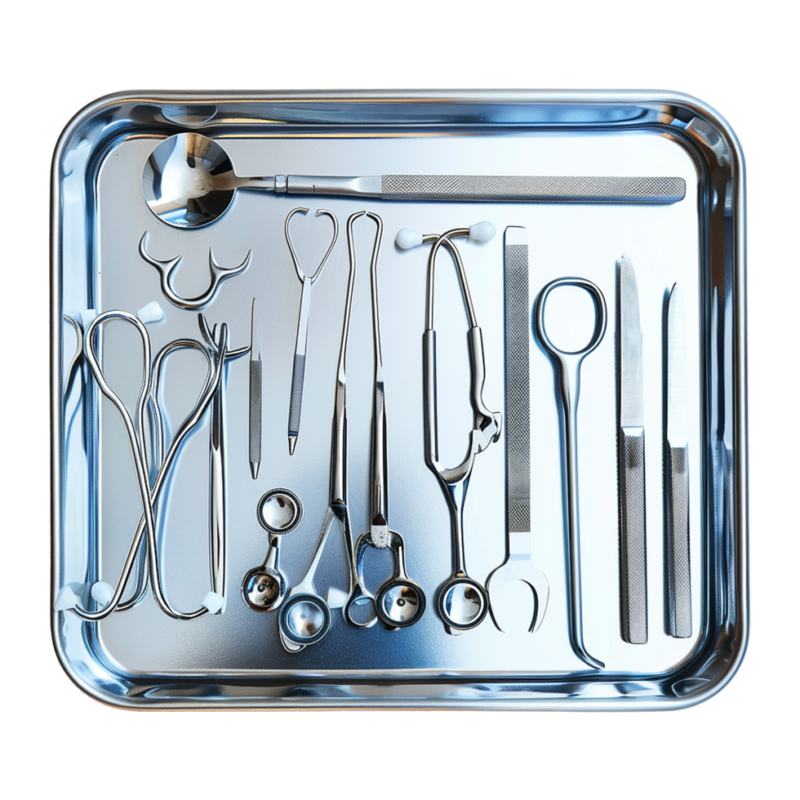
Most surgical instruments are manufactured from medical-grade stainless steel.
Why stainless steel is widely used:
- Excellent corrosion resistance
- High strength and durability
- Withstands repeated autoclave sterilization
- Easy to clean and maintain
Common types used:
- Martensitic stainless steel – used for cutting instruments such as scissors and scalpels
- Austenitic stainless steel – used for non-cutting instruments due to superior corrosion resistance
Stainless steel remains the industry standard for general surgical instruments.
Titanium: Lightweight and High Performance
Titanium is used in specialized surgical instruments where reduced weight and strength are essential.
Advantages of titanium:
- Lightweight yet extremely strong
- Non-magnetic (ideal for MRI environments)
- Highly resistant to corrosion
- Comfortable for prolonged surgical procedures
Titanium instruments are commonly used in microsurgery, orthopedic surgery, and neurosurgery.
Carbon Steel: Exceptional Sharpness
Carbon steel is primarily used for sharp cutting instruments.
Key benefits:
- Superior sharpness
- Maintains cutting edges longer
Limitations:
- More prone to corrosion
- Requires careful drying and maintenance
Carbon steel instruments are selected when precision cutting is the top priority.
Tungsten Carbide Inserts
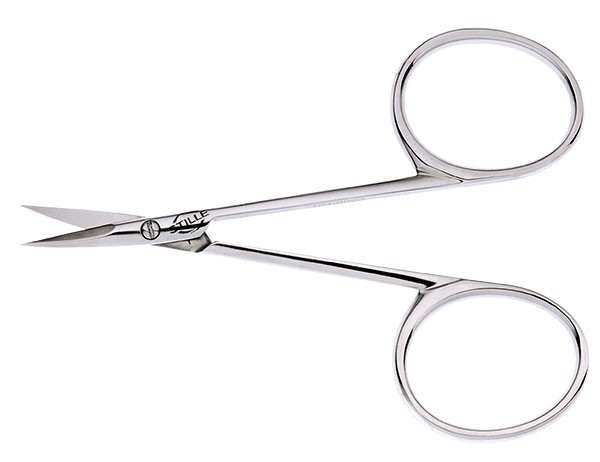
Some premium surgical instruments feature tungsten carbide inserts bonded into stainless steel.
Why tungsten carbide is used:
- Extremely hard and wear-resistant
- Improves grip and cutting precision
- Extends instrument lifespan
Commonly found in:
- Needle holders
- Surgical scissors
- Precision forceps
These instruments are preferred in high-usage clinical settings.
Plastics and Medical-Grade Polymers
Certain surgical instruments include plastic or polymer components.
Used for:
- Disposable instruments
- Insulated handles
- Lightweight, non-conductive parts
Medical-grade polymers are chosen for safety, hygiene, and cost efficiency.
Silicone and Rubber Components
Silicone and rubber are used in limited applications, mainly for comfort and safety.
Applications include:
- Grip coatings
- Seals and protective covers
- Tubing and flexible components
These materials enhance handling rather than structural strength.
How Material Quality Affects Buying Decisions
When purchasing surgical instruments, material quality directly affects:
- Sterilization compatibility
- Instrument longevity
- Maintenance costs
- Patient safety
Healthcare facilities benefit from investing in instruments made from certified, high-grade materials that meet international standards.
To purchase surgical instruments manufactured with trusted materials and built for repeated sterilization, visit bssurgicalinstruments.co.uk. We supply small and bulk orders to buyers across the UK, USA, Canada, and Europe.
Final Thoughts
Surgical instruments are only as reliable as the materials they are made from. Stainless steel, titanium, carbon steel, and specialized inserts each serve a specific purpose in modern healthcare. Understanding these materials helps clinics and hospitals make informed purchasing decisions.
For dependable surgical instruments designed for long-term clinical use, explore bssurgicalinstruments.co.uk, your trusted supplier for the UK, USA, Canada, and Europe.