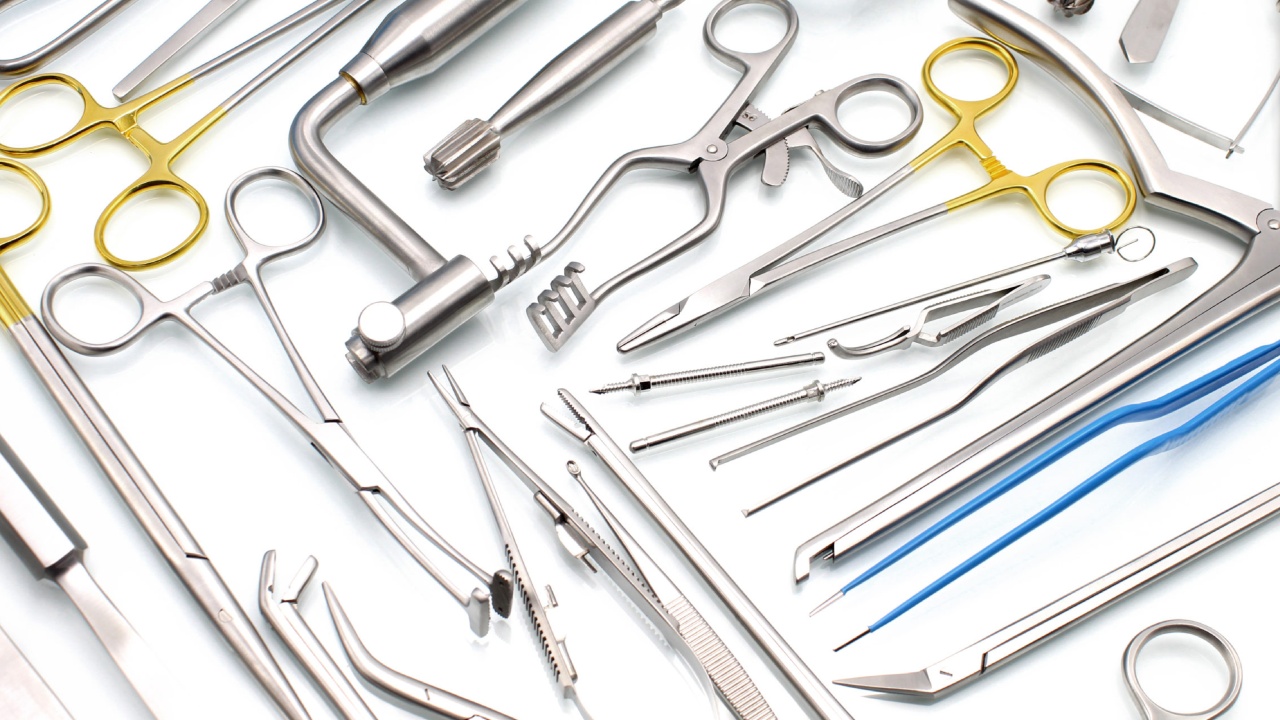
Stainless Steel vs Titanium Surgical Instruments for Durability

Surgeons and healthcare facilities rely on instruments that tolerate repeated sterilization, maintain sharpness, and remain corrosion-resistant over years of use. Among the most common materials used in surgical instruments are stainless steel and titanium. Each material has benefits and limitations, especially when it comes to durability.
In this comparison, we explore how these materials perform in hospital and clinical settings, and how to select the best options for your surgical inventory.
What Makes a Surgical Instrument Durable?
Durability in surgical instruments depends on several key factors:
- Material strength
- Resistance to corrosion and wear
- Response to repeated sterilization
- Weight and ergonomics
- Surface finish and maintenance requirements
Hospitals that invest in durable instruments enjoy long service life, fewer replacements, and higher cost-effectiveness. Suppliers like Surgical Instrument offer a range of tools in both stainless steel and titanium to suit diverse clinical needs.
Stainless Steel Surgical Instruments: Proven and Reliable
Strengths of Stainless Steel
Stainless steel remains the most widely used material for surgical instruments because it balances strength, cost, and performance. High-grade surgical steel (such as 316 or 420 series) offers:
- Excellent corrosion resistance
- Robust mechanical strength
- Good edge retention
- Ease of cleaning and sterilization
These properties have made stainless steel the workhorse of operating theatres worldwide.
Durability and Daily Use
Stainless steel instruments handle frequent use well. Their hardness allows sharp cutting edges and precise control. They withstand autoclave cycles, chemical cleaning, and long operating sessions without losing structural integrity.
However, stainless steel is heavier than titanium and may show signs of wear faster in extremely demanding environments.
Titanium Surgical Instruments: Lightweight and Corrosion-Resistant
Why Choose Titanium?
Titanium instruments offer a different balance of properties. Their key advantages include:
- Superior corrosion resistance
- Exceptional strength-to-weight ratio
- Greater flexibility without breaking
- Low magnetic interference
These traits make titanium especially valuable in specialized areas such as:
- Microsurgery
- Neuro-surgery
- Imaging environments (where magnetic interference matters)
Durability in Challenging Environments
Titanium tolerates harsh sterilization methods and resists corrosion even better than stainless steel. Its lighter weight reduces surgeon fatigue during long procedures. Titanium also resists staining and maintains surface finish longer in acidic or abrasive cleaning cycles.
The primary downside is cost, titanium instruments are typically more expensive, and sharpening them can require specialty techniques.

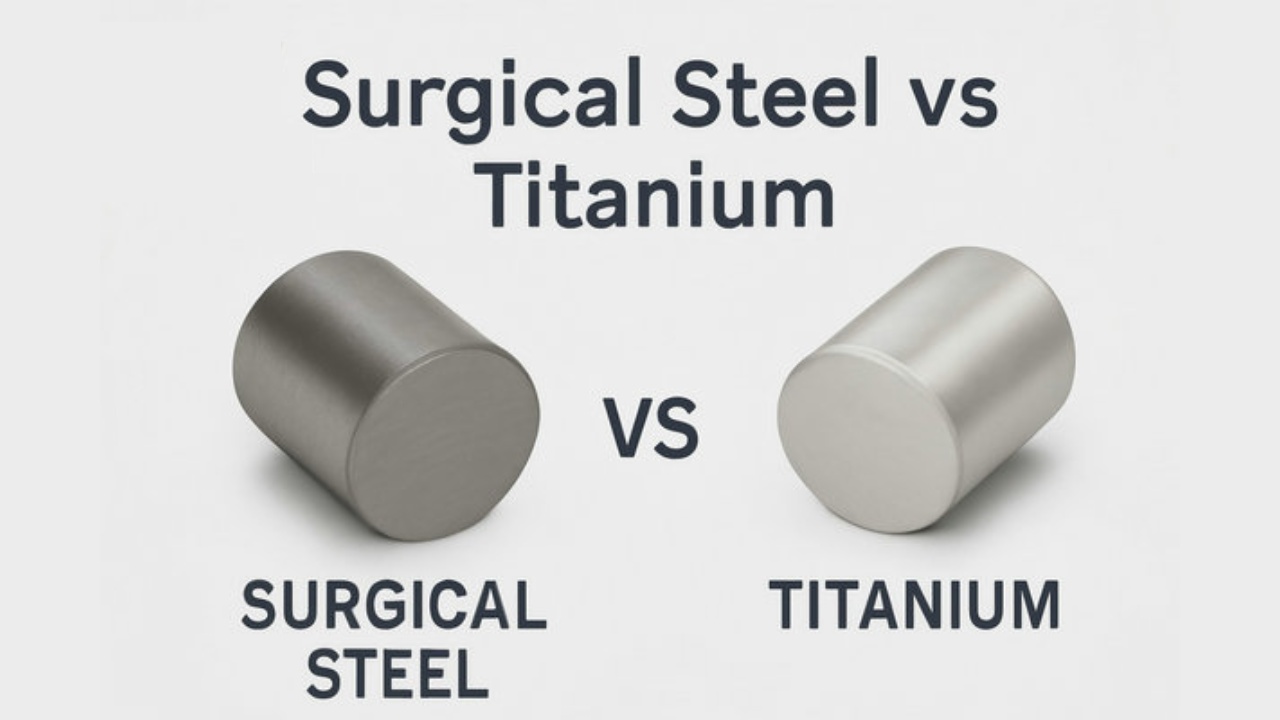
Stainless Steel vs Titanium: Side-by-Side Comparison
| Feature | Stainless Steel | Titanium |
|---|---|---|
| Corrosion Resistance | Strong | Superior |
| Weight | Heavier | Lightweight |
| Cost | Moderate | Higher |
| Hardness & Sharpening | Excellent, easy to sharpen | High strength, requires specialty service |
| Ideal For | General surgery, high-volume use | Specialty procedures, sensitive environments |
| Magnetic Interference | Minimal | Very low |
This comparison helps hospitals match instrument selection to surgical needs rather than defaulting to one material.
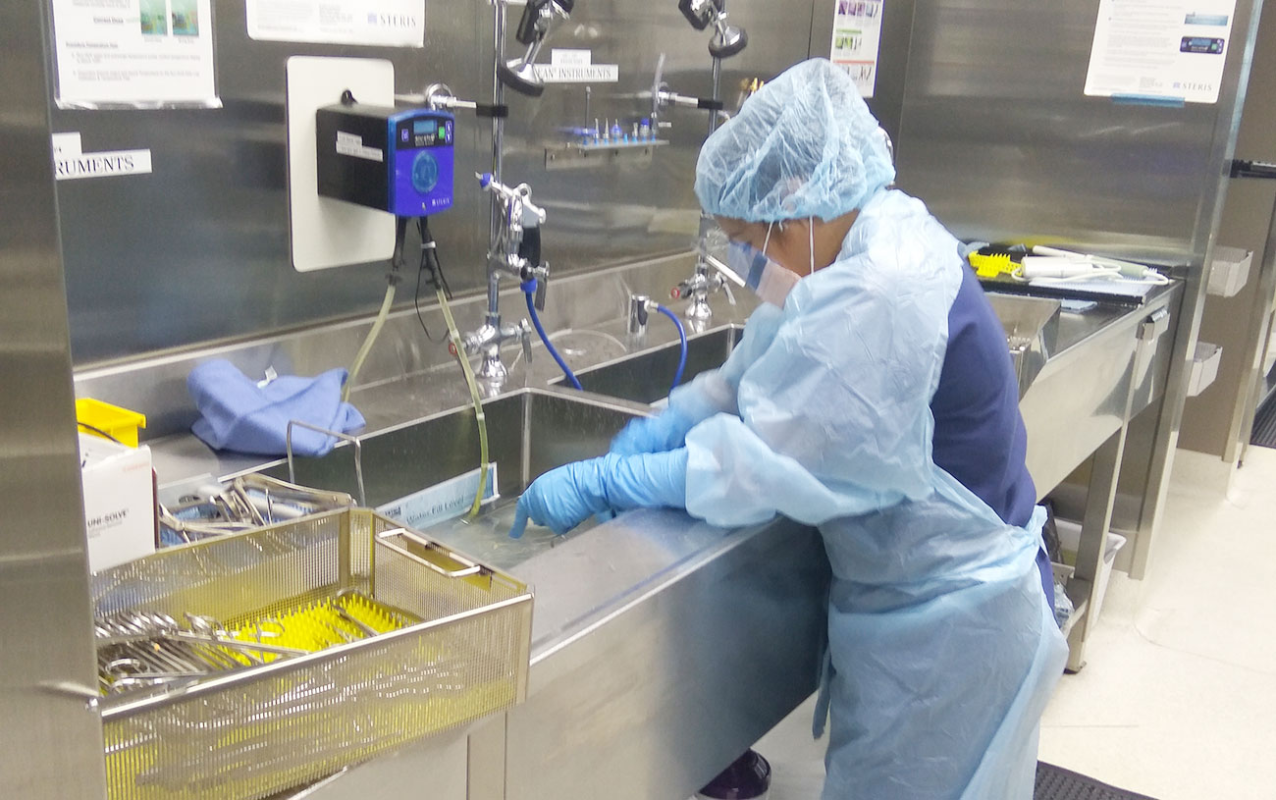
How Sterilization Affects Durability
Both materials endure standard sterilization cycles, but they respond differently:
Stainless Steel
Withstands high-temperature steam autoclaving, chemical sterilants, and mechanical cleaning. Over time, repeated cycles may lead to minor surface pitting if not properly dried and maintained.
Titanium
Handles sterilization exceptionally well, and its corrosion resistance makes it less prone to surface changes. This property helps preserve instrument surface quality even after hundreds of sterilization cycles.
Regular maintenance, proper cleaning practices, and adherence to manufacturer instructions ensure maximum life regardless of material.
Selecting the Right Material for Your Hospital
Choosing between stainless steel and titanium depends on clinical use case and budget.
Consider these questions:
- Will instruments undergo high-volume daily procedures?
- Are they intended for specialty or delicate surgeries?
- Is instrument weight important for clinician comfort?
- Does the facility require advanced corrosion resistance?
For cost-effective general instruments, high-grade stainless steel serves well. For specialized applications where weight, imaging compatibility, and corrosion resistance matter most, titanium excels.
Hospitals often maintain a mix of both, ensuring performance and cost balance across departments.
Purchasing Durable Instruments Online
Reputable suppliers help facilities source instruments that meet regulatory standards, ergonomic needs, and clinical performance requirements. When purchasing online, choose suppliers known for quality, product transparency, and certification documentation.
One reliable source is Surgical Instrument, which offers a broad selection of tools in both stainless steel and titanium. Detailed listings, material certifications, and instrument specifications make online buying easier and safer for clinical teams.
Conclusion: Durability Comes Down to Purpose
Both stainless steel and titanium surgical instruments have earned their places in modern healthcare. Stainless steel remains a cornerstone material for general surgery due to its combination of strength, performance, and cost. Titanium offers advanced benefits where corrosion resistance, lightweight design, and specialty use justify investment.
By understanding these material differences, hospitals can build instrument inventories that perform reliably, support clinician needs, and protect patient safety.
Invest in quality, understand material trade-offs, and partner with trusted suppliers to equip your surgical suites for durable performance.