Blog
How Many Surgical Instruments Are There? A Practical Breakdown for Healthcare Buyers

Surgical instruments form the foundation of modern medical care. Every procedure, from routine examinations to complex surgeries, depends on specialized tools designed for accuracy and control. Because medical practices continue to advance, the number of surgical instruments keeps expanding.
Understanding how many surgical instruments exist helps healthcare professionals, procurement teams, and distributors plan inventories more effectively.
Why There Is No Fixed Number of Surgical Instruments
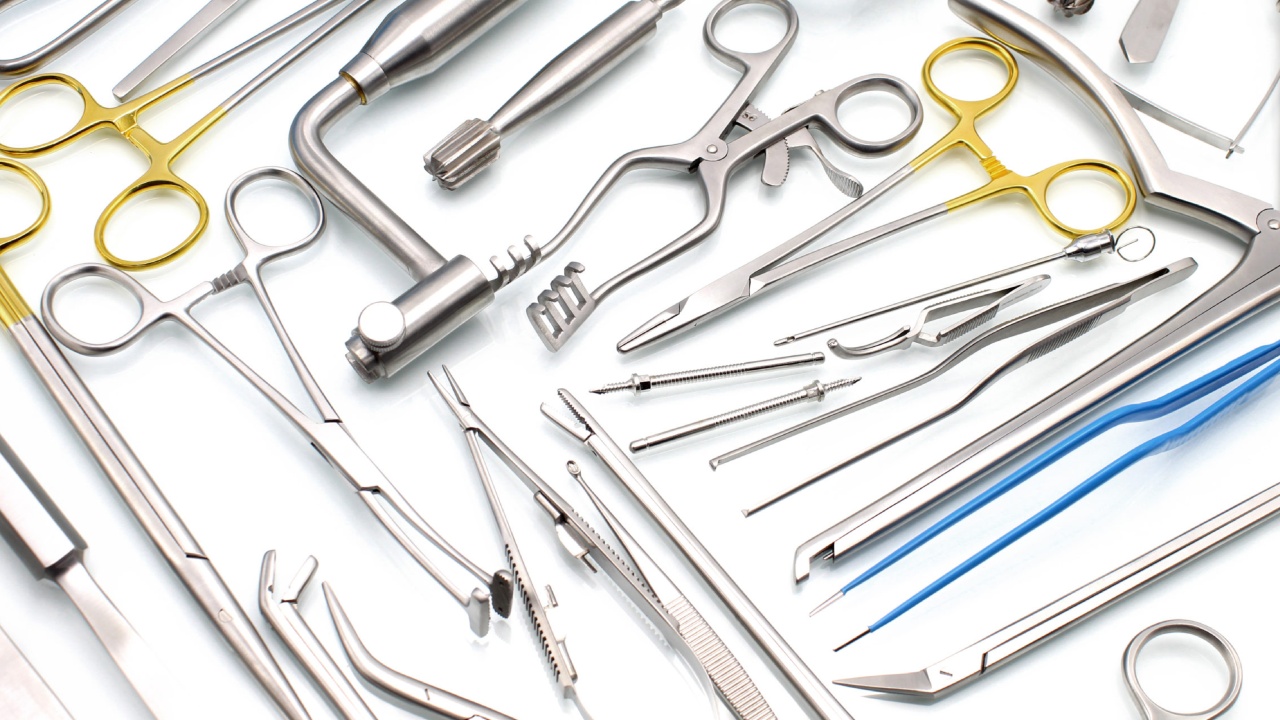
There is no single, fixed number of surgical instruments. Instead, the total continues to grow as manufacturers introduce new designs and refine existing tools. In addition, many instruments perform similar functions but differ in size, length, curvature, or grip style.
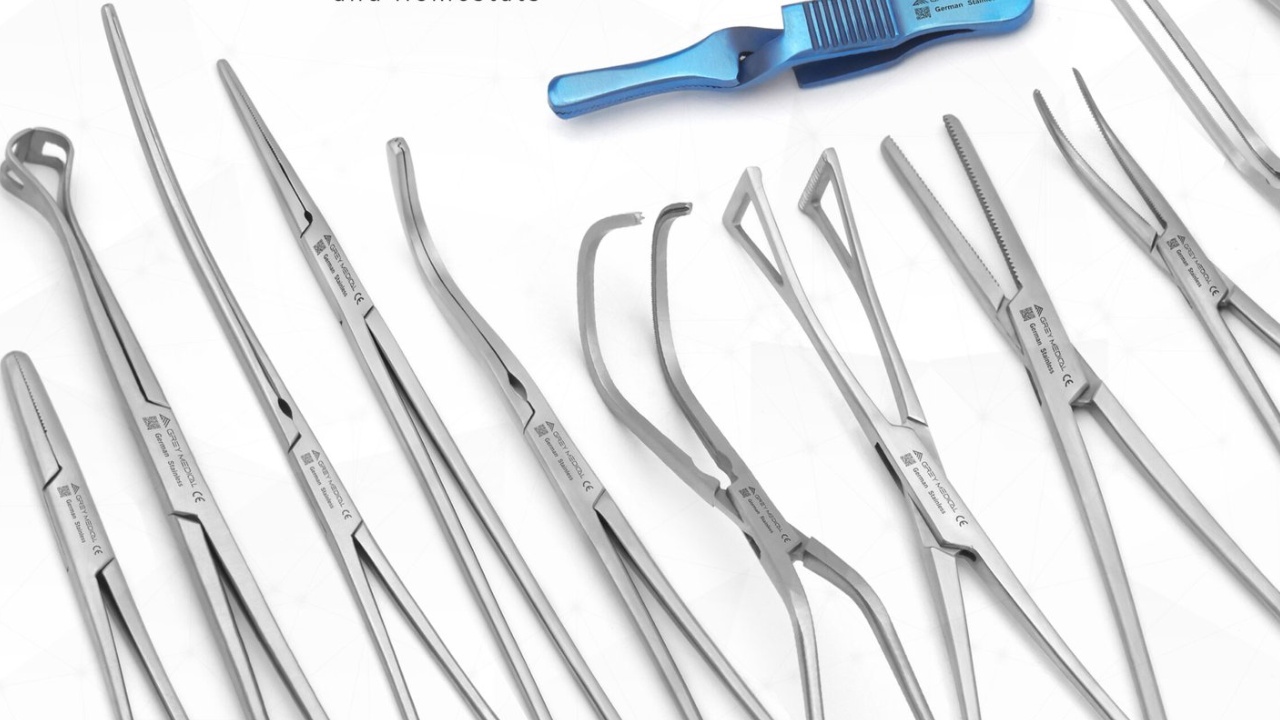
For example, forceps alone come in dozens of variations, each designed for a specific surgical task. As a result, professionals classify instruments by function and specialty rather than counting individual models.
Estimated Number of Surgical Instruments Worldwide
Across all medical disciplines, experts estimate that more than 4,000 to 6,000 distinct surgical instruments are currently in active clinical use. When specialty-specific and modified designs are included, the number increases even further.
However, most hospitals and clinics do not stock every available instrument. Instead, they maintain carefully selected inventories based on the procedures they perform most frequently.
Major Categories of Surgical Instruments
Surgical instruments fall into broad functional categories, each containing numerous variations.
Cutting and dissecting instruments include scalpels, scissors, osteotomes, and chisels. Surgeons rely on these tools to separate tissue with precision and control.
Grasping and holding instruments include forceps, clamps, and needle holders. These tools help surgeons hold tissue, guide sutures, and maintain stability during procedures.
Clamping and occluding instruments such as hemostats and artery clamps control blood flow and isolate vessels. Consequently, they play a key role in maintaining a clear surgical field.
Retracting and exposing instruments include retractors and speculums. These tools allow deeper access while preserving visibility and workspace.
Suturing and stapling instruments support wound closure and tissue approximation. This group includes needle holders, ligating devices, and surgical staplers.
Suctioning and aspirating instruments remove fluids, blood, and debris, which improves accuracy and safety throughout procedures.

Specialty-Based Instrument Expansion
Each medical specialty adds another layer of instrument diversity. For instance, orthopedic surgery alone requires hundreds of specialized tools for bone cutting, drilling, and fixation.
Similarly, neurosurgery, cardiovascular surgery, gynecology, ENT, and dental surgery all rely on unique instrument sets. Therefore, specialty hospitals often manage inventories containing thousands of instruments.
Moreover, teaching hospitals and advanced surgical centers usually stock a wider range to support training and complex procedures.
Why Instrument Variety Matters
Instrument variety directly affects procedural efficiency and patient outcomes. When surgeons use the correct instrument, they reduce operating time and minimize tissue trauma.
From a procurement perspective, understanding instrument variety helps healthcare facilities build complete surgical sets, avoid unnecessary duplication, and manage sterilization cycles more efficiently. As a result, better planning leads to improved cost control and workflow consistency.
How Hospitals Manage Large Instrument Inventories
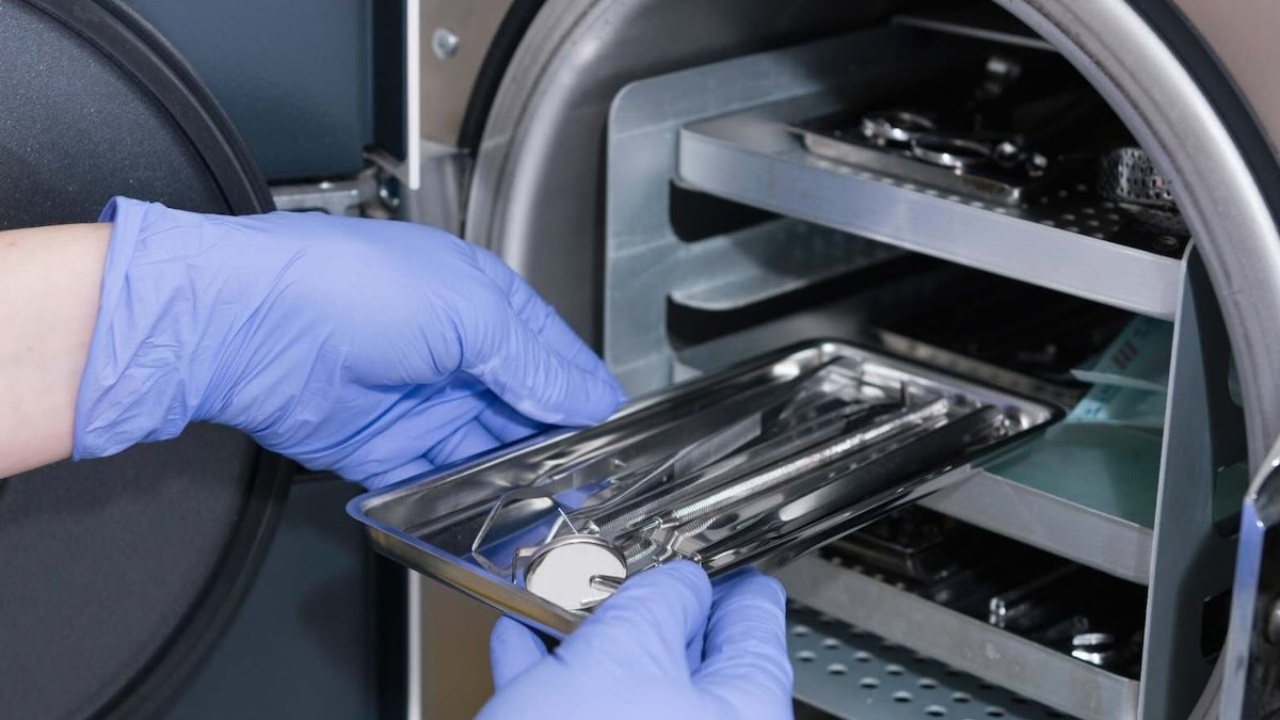
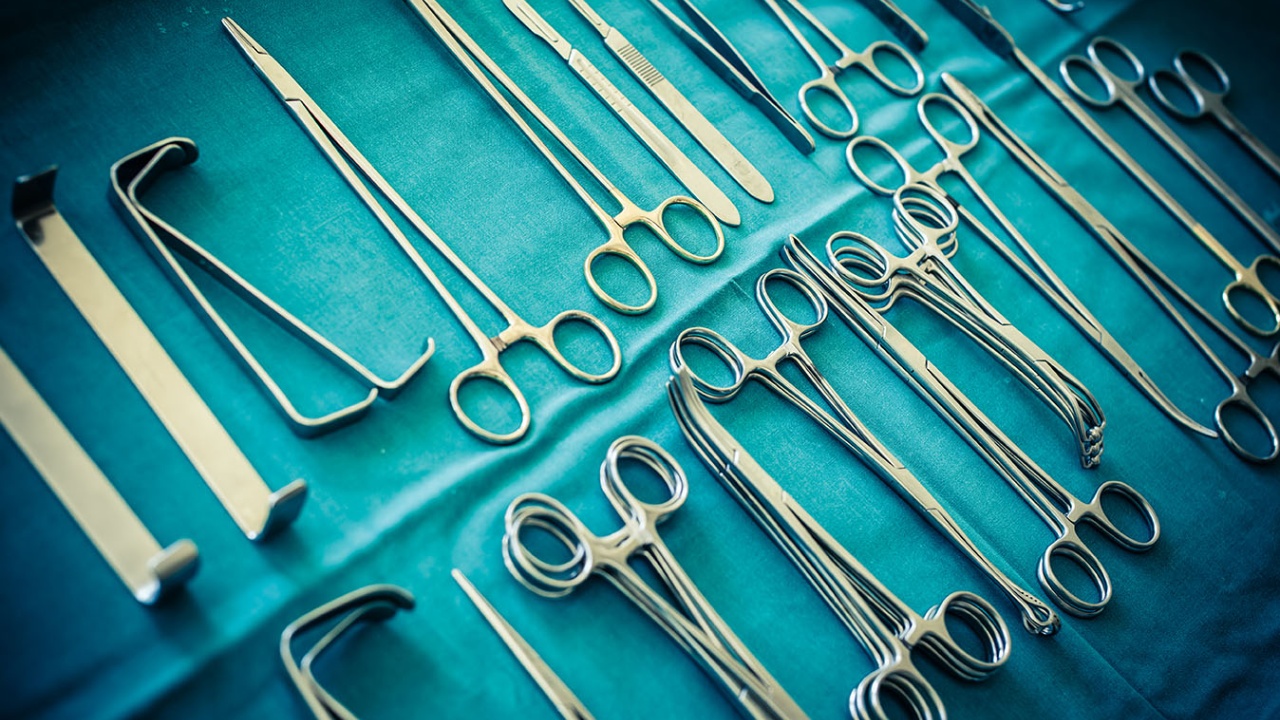
Hospitals organize instruments into standardized surgical sets. Each set supports a specific procedure, which simplifies preparation and sterilization.
In addition, inventory systems track usage, maintenance, and replacement schedules. This structured approach allows facilities to manage thousands of instruments efficiently without excessive stock or shortages.
Final Thoughts
There is no exact number that defines how many surgical instruments exist. However, with thousands of tools across multiple specialties, surgical instrument diversity reflects the complexity of modern medicine. By understanding how instruments are categorized and used, healthcare professionals can make informed decisions about inventory planning and sourcing.
If you are looking to source reliable surgical instruments for clinical use, visit bssurgicalinstruments.co.uk. We supply high-quality surgical instruments in small and bulk orders to buyers across the UK, USA, Canada, and Europe.