How to Verify the Quality of Surgical Instruments Before Importing: A Buyer’s Checklist


Importing surgical instruments requires more than comparing prices and catalogs. Buyers must verify quality before placing bulk orders because instrument performance directly affects patient safety, compliance, and long-term costs. Therefore, importers must follow a structured evaluation process to avoid defective products and unreliable suppliers.
This guide explains how to verify the quality of surgical instruments before importing, with practical steps that procurement teams can apply immediately.
Check Material Specifications and Grade
Start by confirming the material composition of the instruments. High-quality surgical instruments typically use medical-grade stainless steel such as martensitic or austenitic grades.
Ask suppliers to provide:
- Material certificates
- Steel grade specifications
- Hardness ratings (Rockwell scale)
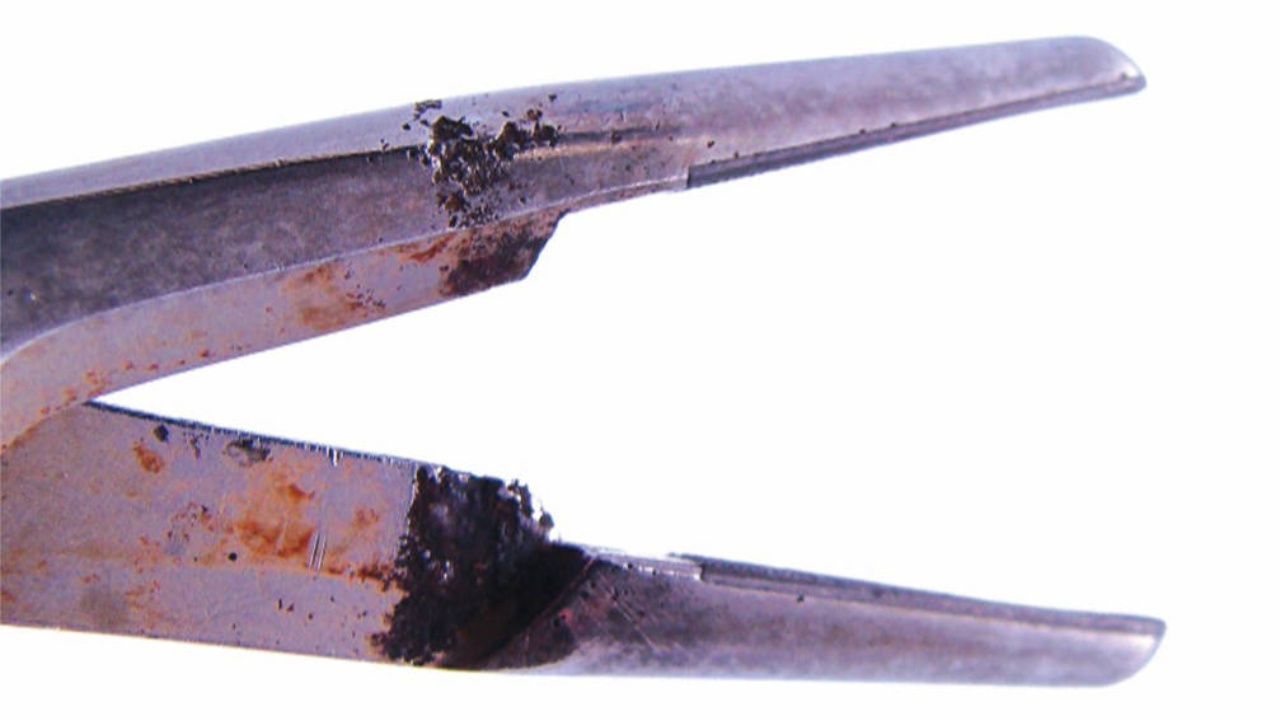
Moreover, verify corrosion resistance and compatibility with repeated sterilization. Poor-quality steel often leads to rust, pitting, and early failure.
Verify Manufacturing Standards and Certifications
Next, confirm that the manufacturer follows internationally recognized standards. Reliable suppliers comply with certifications such as ISO 13485 for medical device quality management and CE marking for European markets.
In addition:
- Request documentation for regulatory compliance
- Check FDA registration if importing to the USA
- Verify traceability of production batches
These certifications ensure consistent manufacturing and reduce regulatory risks.
Inspect Surface Finish and Build Quality
Carefully evaluate the physical quality of the instruments. A high-quality instrument should have a smooth, polished surface without scratches, pits, or discoloration.
Check for:
- Even surface finishing
- Proper alignment of jaws and tips
- Smooth movement in joints and hinges
Furthermore, test the grip and locking mechanisms. Instruments should operate smoothly without stiffness or looseness.

Test Functionality and Performance
Before importing in bulk, request samples and perform functional testing. This step helps identify design flaws or performance issues.
During testing:
- Check cutting sharpness and edge retention
- Test clamping pressure and grip strength
- Evaluate ergonomics and handling comfort
As a result, buyers can confirm that instruments meet clinical requirements.
Evaluate Sterilization Compatibility
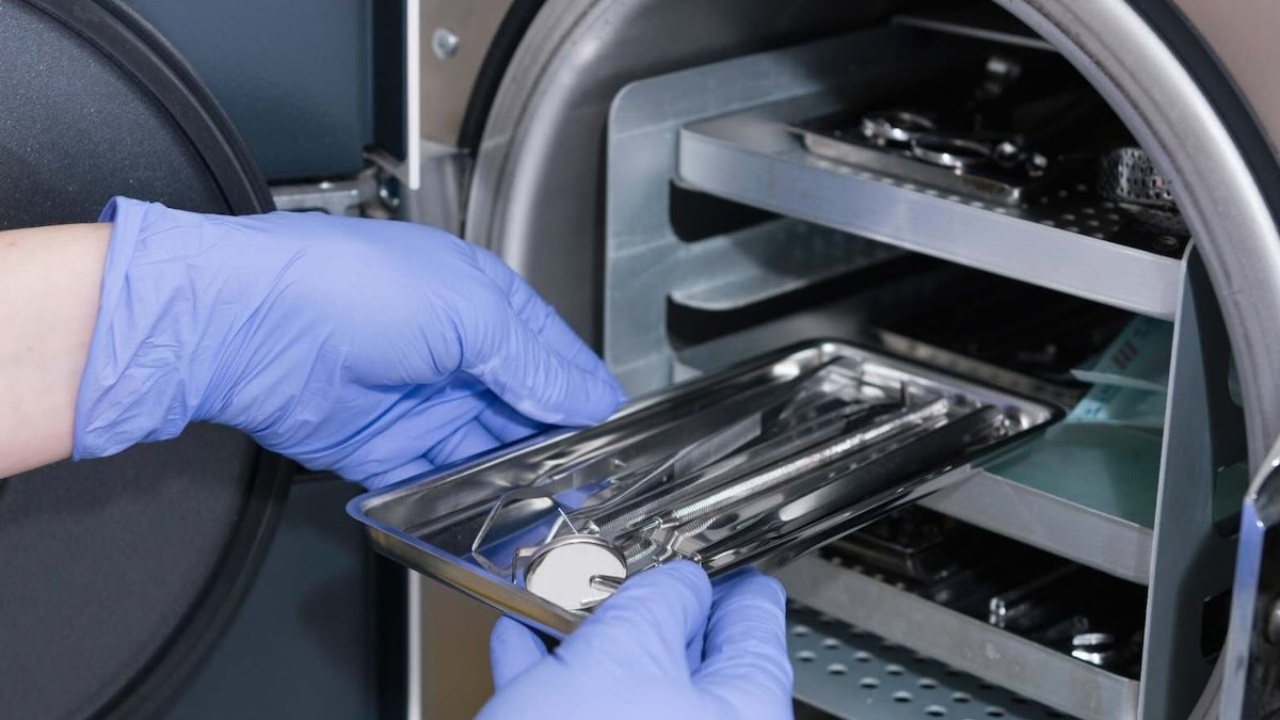
Surgical instruments must withstand repeated sterilization without damage. Therefore, confirm compatibility with common sterilization methods such as autoclaving, chemical sterilization, or plasma systems.
Ask suppliers:
- How many sterilization cycles the instrument can endure
- Whether coatings or finishes degrade over time
This step ensures long-term usability and reduces replacement frequency.
Audit the Manufacturer or Request Third-Party Inspection

Whenever possible, conduct a factory audit or hire a third-party inspection agency. This approach provides direct insight into manufacturing processes and quality control systems.
Audits help verify:
- Production consistency
- Workforce skill level
- Quality assurance procedures
Consequently, buyers gain confidence before committing to large orders.
Check Packaging and Sterility Standards
Packaging plays a critical role in maintaining instrument quality during shipping. Poor packaging can lead to contamination or physical damage.
Ensure that:
- Instruments are packed securely
- Protective coatings or wraps are applied
- Labels include batch and traceability information
Proper packaging protects your investment during transit.
Review Supplier Reputation and Track Record
Finally, evaluate the supplier’s reputation. Reliable suppliers maintain consistent quality and transparent communication.
Look for:
- Verified client reviews
- Long-term export history
- Clear communication and documentation
Moreover, suppliers who specialize in surgical instruments usually provide better consistency than general manufacturers.
Final Thoughts
Verifying the quality of surgical instruments before importing requires a structured approach. By checking material specifications, certifications, build quality, functionality, and supplier credibility, buyers reduce risks and ensure long-term reliability. A careful evaluation process leads to better purchasing decisions and stronger clinical outcomes.
If you are looking to source high-quality surgical instruments from a trusted supplier, visit Surgical Instruments. We provide reliable surgical instruments in small and bulk orders across the UK, USA, Canada, and Europe, with consistent quality you can depend on.