
Best Practices for Sterilizing Surgical Instruments


Maintaining strict sterilization standards for surgical instruments ensures patient safety and reduces the risk of infection in hospitals. Without proper sterilization, even a well-designed instrument cannot guarantee safety during a procedure. Effective sterilization protects patients, staff, and the integrity of the healthcare system.
This article outlines the best practices hospitals and surgical teams should follow to sterilize instruments effectively.
1. Pre-Cleaning: The First Critical Step
Before sterilization begins, instruments must undergo thorough pre-cleaning. Residual blood, tissue, and bodily fluids can shield microorganisms during sterilization. Inadequate cleaning reduces effectiveness and increases infection risk.
Best practices include:
- Immediate rinsing after surgery
- Manual cleaning with soft brushes to remove debris
- Ultrasonic cleaning to reach hard-to-access areas
Some surgical teams use specialized detergents designed for metal instruments. Pre-cleaning sets the foundation for effective sterilization.
2. Inspection and Function Testing
Once pre-cleaned, instruments require inspection.
Look for:
- Rust
- Pitting
- Misalignment
- Loose joints
Damaged instruments cannot sterilize properly and may fail during use. Instruments that show wear should be removed from service. Replace them with quality alternatives from trusted manufacturers like Surgical Instrument.
This step protects both patient safety and equipment longevity.
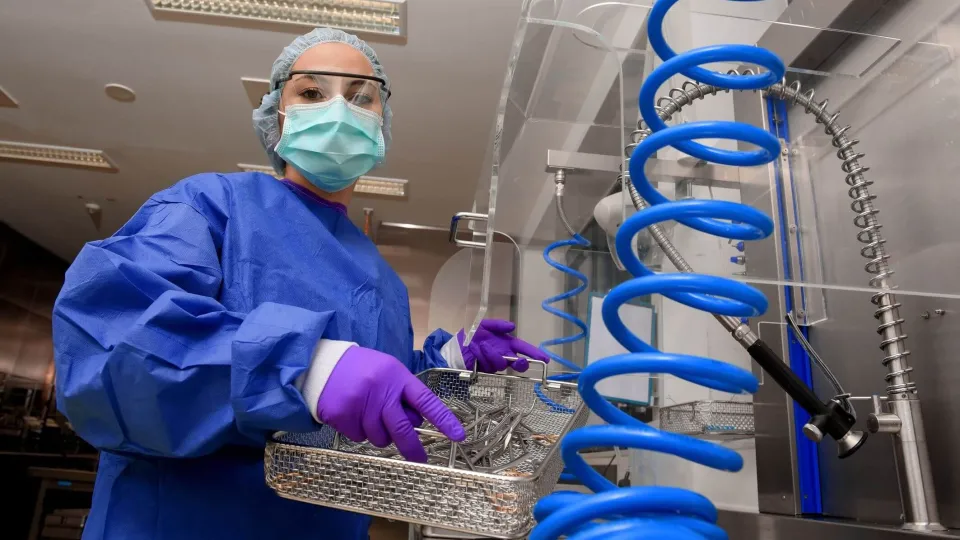
3. Packaging for Sterilization
Proper packaging prevents re-contamination after sterilization.
Good practices include:
- Using sterilization wraps or pouches
- Labeling with date and load contents
- Avoiding overpacking sterilization trays
Choose packaging material compatible with your sterilization method: steam, ethylene oxide, or plasma gas.
Correct packaging ensures that sterilized instruments remain sterile until use.
4. Choosing the Right Sterilization Method
Different instruments require different sterilization protocols. Common methods include:
🔹 Steam Sterilization (Autoclaving)
Steam under pressure remains the most common method in hospitals due to high efficiency and reliability.
When to use:
- Metal instruments
- Heat-resistant tools
🔹 Ethylene Oxide (ETO)
Used for heat-sensitive items.
Advantages:
- Penetrates complex devices
- Preserves delicate materials
🔹 Low-Temperature Plasma
Ideal for delicate and electronic-integrated instruments.
Each method has guidelines. Always follow manufacturer instructions and hospital protocols.
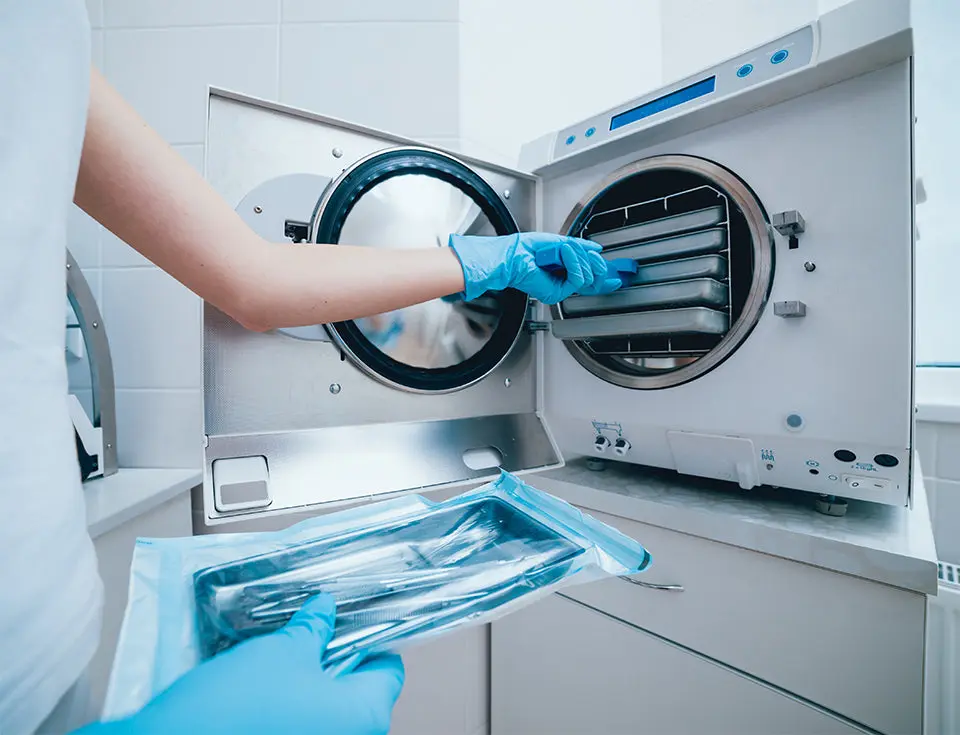
5. Sterilization Monitoring and Validation
Sterilization cycles require monitoring to ensure effectiveness. Hospitals use three key systems:
- Mechanical indicators (temperature and pressure gauges)
- Chemical indicators (color change strips)
- Biological indicators (spore tests)
Biological indicators are the gold standard. They confirm that the sterilization cycle kills microorganisms effectively.
Validation protects patients and ensures compliance with healthcare regulations.
6. Safe Storage of Sterile Instruments
After sterilization, store instruments in a clean, dry, and controlled environment. Instruments should remain wrapped and labeled until use.
Best practices include:
- Designated sterile storage areas
- FIFO (First In, First Out) inventory system
- Regular monitoring of storage conditions
Proper storage prevents environmental contamination.

7. Staff Training and Protocol Enforcement
Even the best sterilization tools fail without proper human procedures. Hospitals must conduct regular training for sterile processing technicians and surgical staff.
Training should cover:
- Pre-cleaning techniques
- Sterilization equipment operation
- Monitoring and documentation
- Infection control principles
Hospitals that invest in training reduce errors and strengthen safety culture across the surgical suite.
8. Understanding Instrument Material Compatibility
Not all surgical instruments respond the same to sterilization. Stainless steel, titanium, and specialized alloys require specific care.
Guidelines include:
- Avoid abrasive cleaners
- Use instrument lubricant (MIL)
- Follow manufacturer reuse limits
Knowing material limitations preserves instrument integrity and performance over time.
Conclusion: Strengthening Patient Safety through Sterilization
Sterilization protects patient health, supports clinical outcomes, and upholds hospital reputation. The best practices outlined here, from pre-cleaning to staff training, form a framework that hospital teams can implement immediately.
Quality instruments from trusted brands matter, but they only reach their potential when sterilized correctly. Partners like Surgical Instrument help hospitals access reliable instruments that withstand repeated sterilization.
Effective sterilization saves lives. Hospitals must continue refining protocols, training teams, and investing in evidence-based sterilization systems.