How to Select Durable Stainless Steel Medical Instruments | Expert Guide

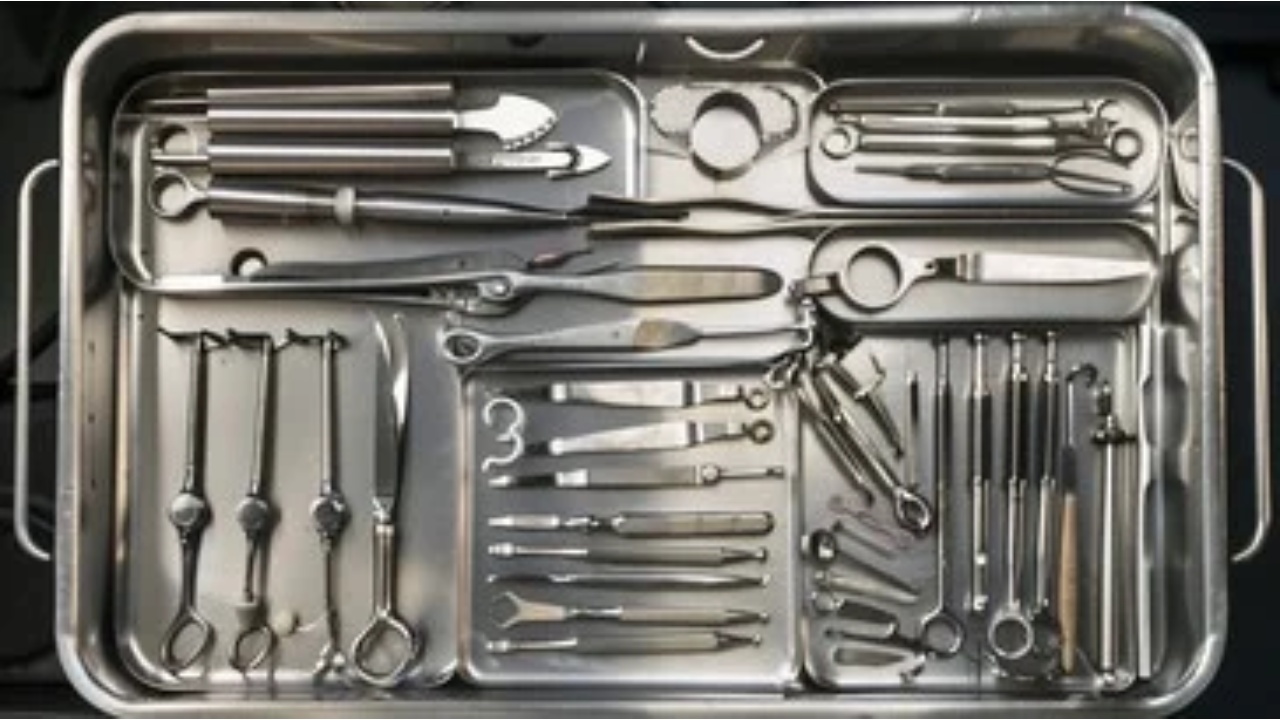
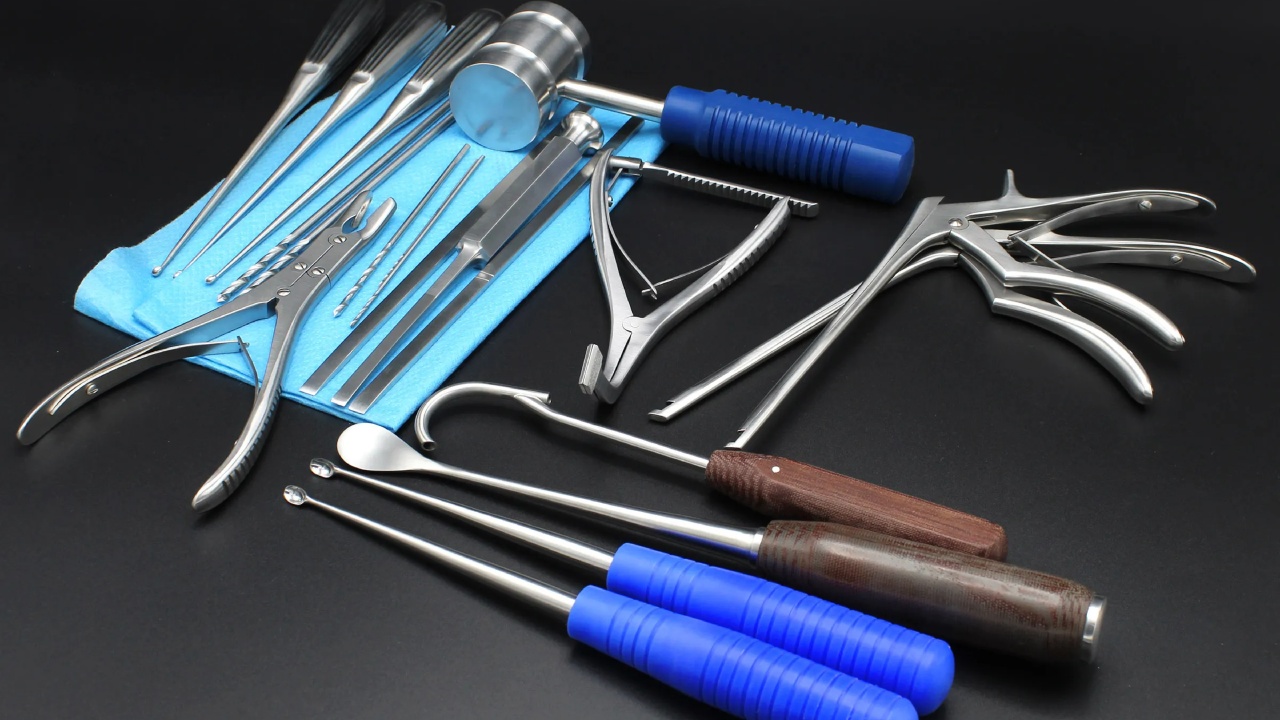
Medical instruments are at the heart of patient care, and their quality directly impacts safety and efficiency during procedures. Stainless steel is the most widely used material for surgical instruments because of its strength, corrosion resistance, and longevity. However, not all stainless steel instruments are created equal. Choosing durable and reliable instruments requires understanding material types, manufacturing processes, and functional design. This guide will help medical professionals, procurement managers, and healthcare facilities make informed choices.
1. Understand Stainless Steel Grades
The durability of surgical instruments starts with the stainless steel grade. Commonly used grades include:
- AISI 304: Resistant to corrosion and suitable for general surgical instruments.
- AISI 316: Higher corrosion resistance due to molybdenum content; ideal for instruments that contact bodily fluids frequently.
- Martensitic Stainless Steel (420/440): High hardness and sharpness retention; excellent for cutting instruments like scissors and scalpels.
Selecting the correct grade ensures that instruments remain rust-free, strong, and precise over years of repeated sterilization and use.
2. Check Corrosion Resistance
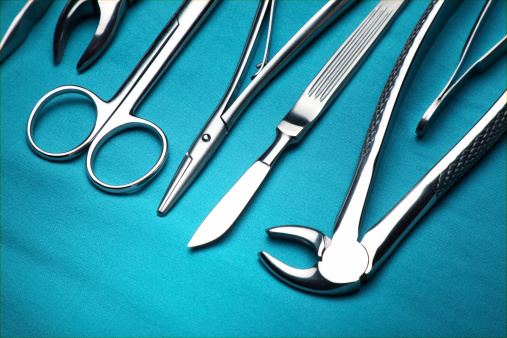
Even high-grade stainless steel can corrode if improperly manufactured. Look for instruments with smooth, polished surfaces, seamless joints, and electro-polished finishes. These features reduce areas where moisture or debris can accumulate, improving corrosion resistance during autoclaving and chemical sterilization.
3. Inspect Design and Ergonomics
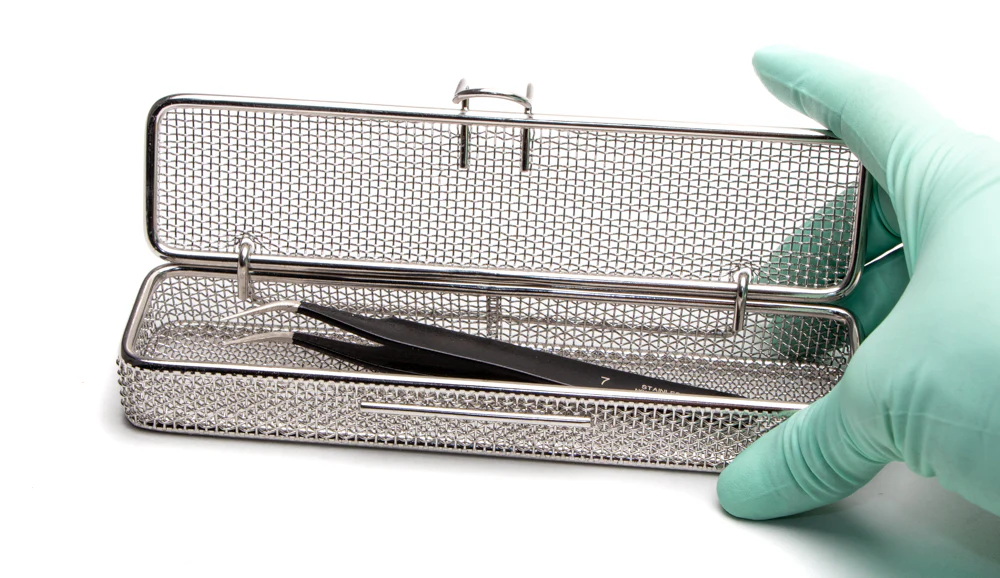
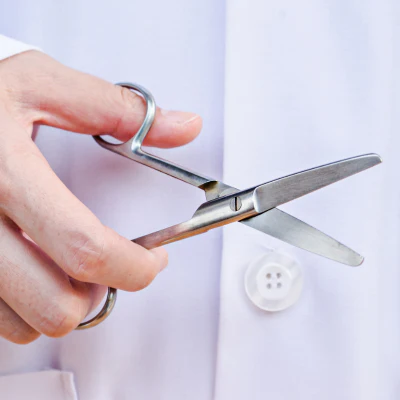
Durability isn’t just about material; it’s also about design and ergonomics. Instruments should feel balanced in the hand, provide a secure grip, and allow precise control. Pay attention to:
- Joint tension on scissors, forceps, or needle holders.
- Smooth movement of hinges without wobble.
- Proper weight distribution to reduce fatigue during long procedures.
A well-designed instrument lasts longer because mechanical stress is evenly distributed.
4. Confirm Manufacturing Quality
Quality manufacturing is essential for durable instruments. Look for tools that are:
- Precision-forged or machined: Forging improves strength compared to stamped instruments.
- Heat-treated: Ensures proper hardness for cutting and longevity.
- Seamless joints and rivets: Avoid instruments with poorly constructed hinges that may loosen over time.
A reputable supplier should provide quality certifications, material reports, and adherence to ISO or CE standards.
5. Consider Usage and Maintenance
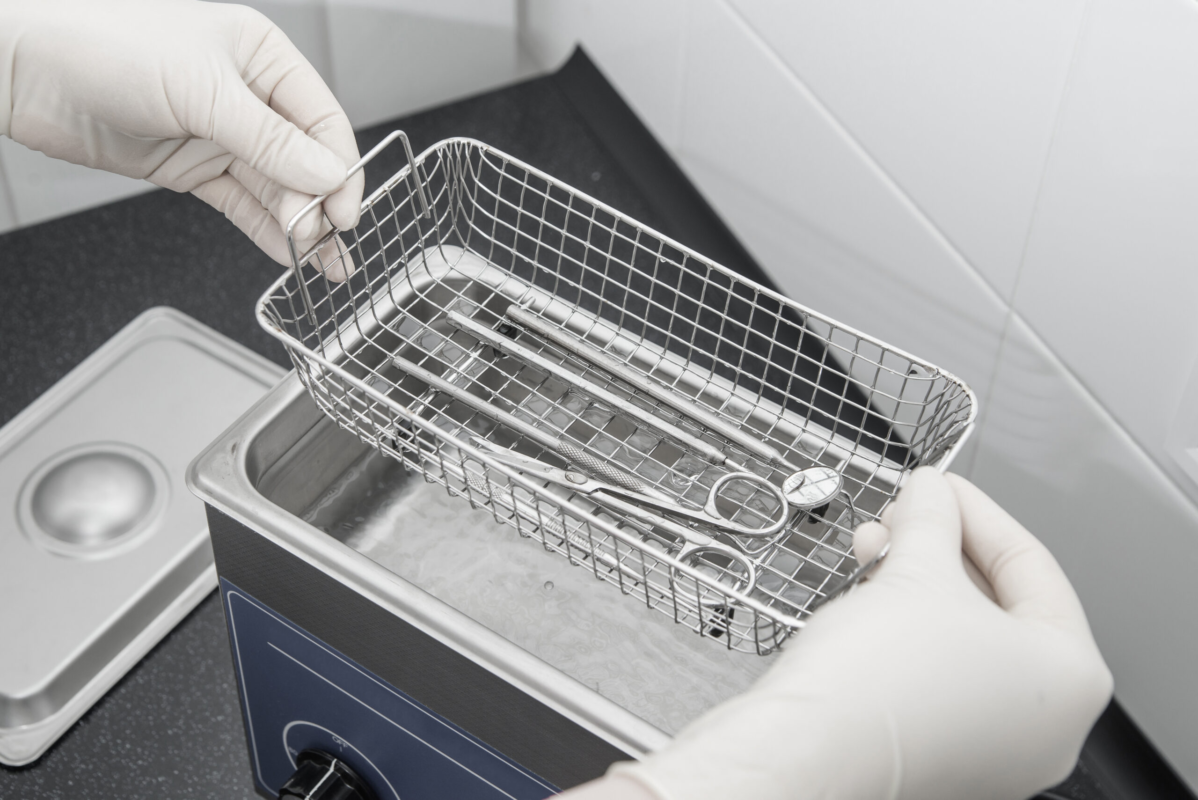
Even the highest-quality instruments require proper care and maintenance. To maximize durability:
- Clean instruments immediately after use to prevent deposits.
- Follow recommended sterilization cycles.
- Store instruments dry and properly organized to prevent damage.
Durable instruments paired with good maintenance practices can last decades without performance loss.
6. Choose Trusted Suppliers
Sourcing instruments from trusted suppliers ensures reliability. In the US and globally, look for vendors with consistent quality checks, warranties, and customer support. For high-quality, durable surgical instruments, explore the wide range available at Surgical Instrument, offering instruments designed for precision, strength, and long-term performance.
Final Thoughts
Selecting durable stainless steel medical instruments is an investment in safety, efficiency, and cost-effectiveness. Understanding material grades, corrosion resistance, ergonomic design, manufacturing quality, and supplier reputation allows medical professionals to make informed choices that enhance surgical outcomes. Combining durable instruments with proper sterilization and handling ensures these tools remain reliable over time, benefiting both surgeons and patients.