Blog
Types of Instruments Used in Orthopedic Surgery Procedures | Orthopedic Tools Explained

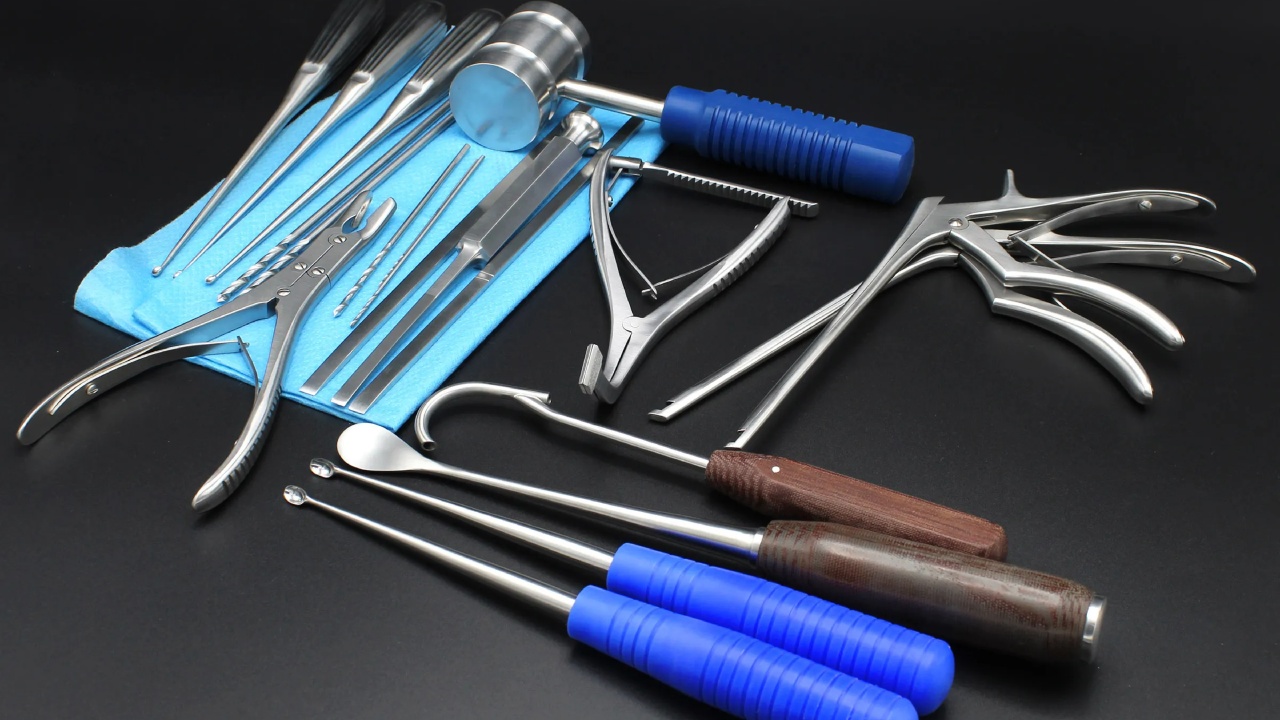
Orthopedic surgery is a highly specialized field requiring precision, strength, and versatility from the tools surgeons use. These instruments are essential for manipulating bone, muscle, and connective tissue safely and effectively. This blog explores the various types of instruments employed in orthopedic procedures and explains their roles in improving surgical outcomes.
1. Bone Cutting and Reshaping Instruments
Bone cutting instruments are fundamental in most orthopedic operations. They allow surgeons to cut, trim, and reshape bone precisely.
- Bone Saws: Used to cut through bone during procedures like amputations or joint replacements. These may be powered or manual.
- Osteotomes: Similar to chisels but beveled on both sides, these instruments help cut or prepare bone surfaces.
- Rongeurs: Heavy-duty plier-like tools with sharp tips used to remove small bone fragments or trim bone tissue.
- Chisels and Gouges: Allow for fine sculpting and removal of bone during procedures where precision is critical.
2. Retractors and Exposure Tools
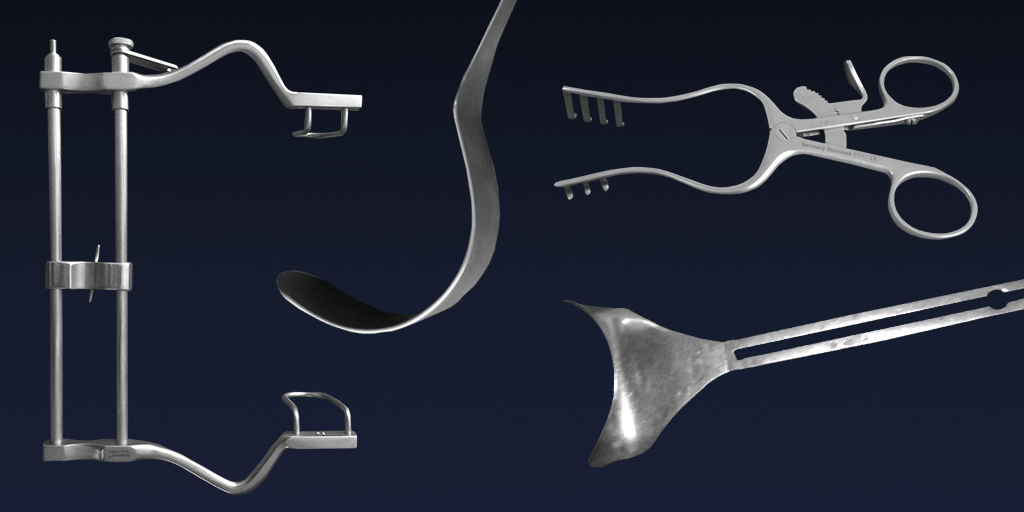
Orthopedic surgeons need to see and access the surgical site clearly. Retractors help hold tissues and muscles away from the bone.
- Hohmann Retractors: Used to expose bone and hold back tissues so the surgeon can work with more room.
- Self-retaining Retractor Systems: Stay in place once set, reducing the need for manual holding.
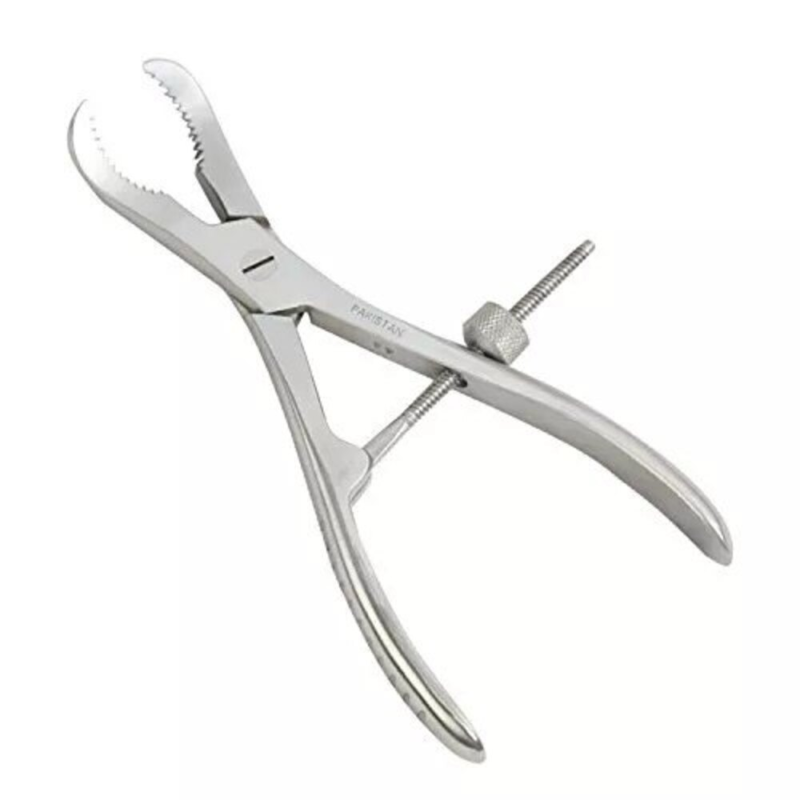
3. Bone Holding and Grasping Instruments
After cutting or repositioning bone structures, surgeons rely on instruments that grip and stabilize bone fragments so that fixation devices can be applied.
- Bone Holding Forceps and Clamps: Hold fractured bones together during plating or wiring.
- Reduction Forceps: Used to realign fractured bone segments before fixation.
4. Drilling, Pinning, and Fixation Devices
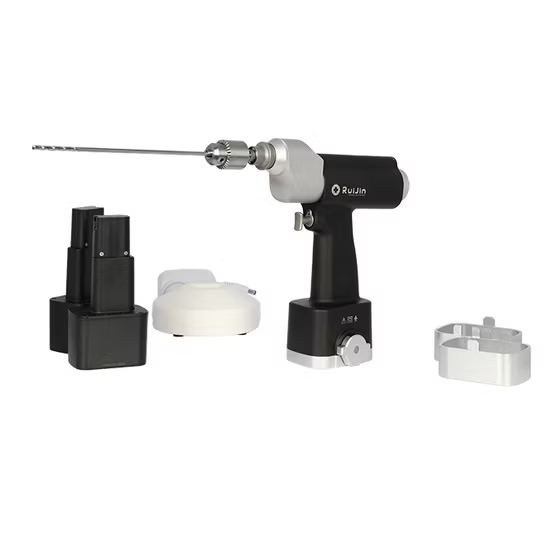
A crucial part of many orthopedic surgeries is internal fixation, securing bone fragments so they heal correctly.
- Bone Drills and Guides: Create holes for screws, pins, or wires to be inserted.
- Kirschner Wires (K-Wires): Thin, sharpened stainless steel pins used for temporary or definitive fixation, often in smaller bones.
- External Fixators: Frames that stabilize complex fractures from outside the body.
5. Bone Elevators and Periosteal Instruments
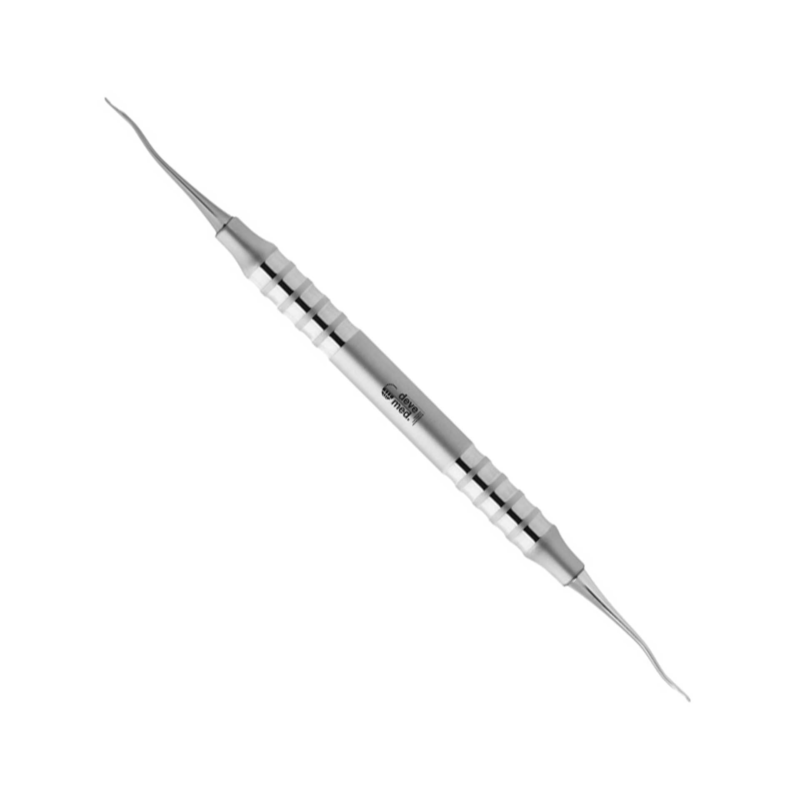
Before placing implants or cutting bone, surgeons often need to lift tissues and prepare the surgical site.
- Periosteal Elevators: Lift the periosteum (layer covering bone) away from the bone surface before intervention.
- Bone Elevators: Gently separate bone from soft tissue structures.
6. Joint Replacement and Arthroplasty Tools
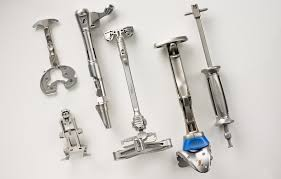
In procedures such as hip or knee replacement, specialized instruments ensure accurate preparation and placement of prosthetic components.
- Acetabular Reamers and Tibial Guides: Shape the joint surfaces to fit implants precisely.
- Trial Prostheses: Temporary models used to verify fit and alignment before implants are fixed.
7. Arthroscopic Instruments for Minimally Invasive Surgery
Modern orthopedic surgery often uses small incisions and cameras to reduce recovery time.
- Arthroscopes: Fiber-optic cameras provide detailed views inside joints.
- Suture Passers and Shavers: Enable soft tissue repair and cartilage trimming under visualization.
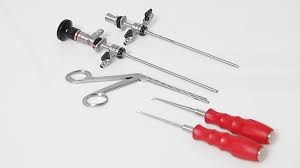
Every orthopedic surgeon’s toolkit includes an array of specialized instruments designed to make complex procedures safer and more effective. From bone cutting to fixation and joint reconstruction, understanding these tools and their proper application is key to optimal patient outcomes.
For high‑quality tools and surgical resources, explore the range of Surgical Instrument suppliers dedicated to precision and performance.