
Blog
How to Sterilize Surgical Instruments Properly: A Complete Guide for Healthcare Facilities

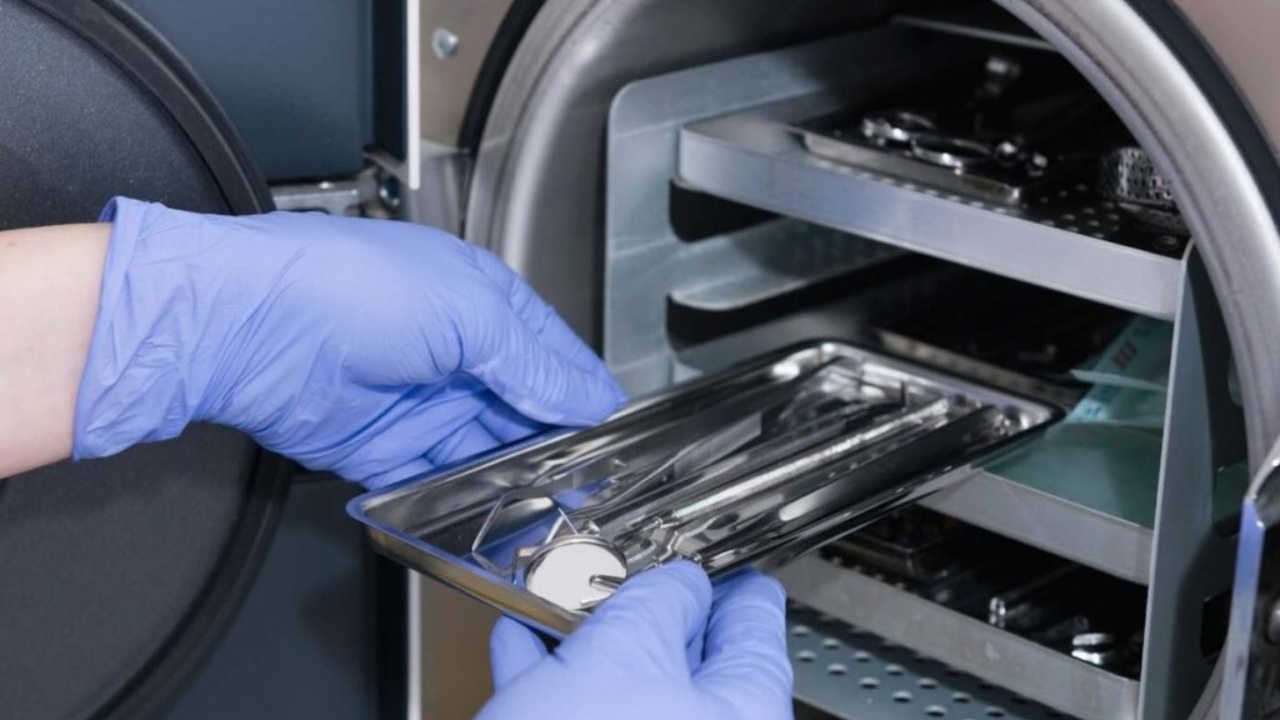
Sterilizing surgical instruments is a critical responsibility in every healthcare environment. From hospitals and clinics to dental practices and outpatient centers, proper sterilization prevents infections, protects patients, and ensures compliance with international medical standards.
This guide explains how to sterilize surgical instruments correctly, the most effective methods used worldwide, and why high-quality instruments matter for long-term sterilization performance.
Why Proper Sterilization of Surgical Instruments Matters
Surgical instruments come into direct contact with blood, tissue, and bodily fluids. Without proper sterilization, they can transmit harmful microorganisms and cause serious surgical site infections.
Effective sterilization helps:
- Prevent cross-contamination
- Maintain patient safety
- Meet regulatory and accreditation requirements
- Extend the usable life of instruments
- Ensure consistent clinical outcomes
Healthcare providers in the UK, USA, Canada, and Europe must follow strict sterilization protocols to meet safety and legal standards.
Step 1: Cleaning and Decontamination
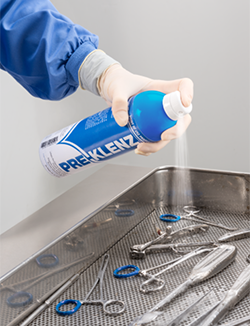
Sterilization begins with proper cleaning. Instruments must be cleaned immediately after use to remove visible debris.
Best practices include:
- Rinsing instruments with lukewarm water
- Using medical-grade enzymatic detergents
- Cleaning hinges, joints, and serrated areas thoroughly
- Avoiding steel brushes or abrasive tools
Sterilization will not be effective if organic material remains on the instrument surface.
Step 2: Inspection and Preparation
Once cleaned, instruments should be inspected carefully before sterilization.
- Check for corrosion, cracks, or damage
- Ensure moving parts function smoothly
- Assemble or disassemble instruments according to manufacturer guidelines
High-quality instruments tolerate repeated sterilization cycles better and maintain performance over time.
For durable, corrosion-resistant surgical instruments designed for long-term use, explore bssurgicalinstruments.co.uk, supplying clinics and hospitals worldwide.
Step 3: Packaging for Sterilization
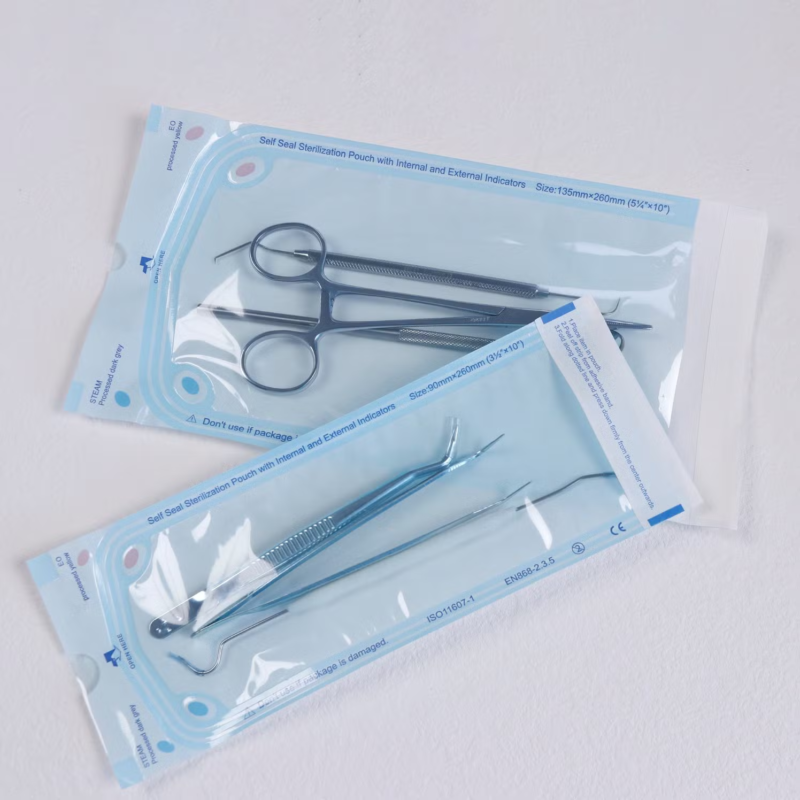
Proper packaging ensures that sterilizing agents reach all instrument surfaces while maintaining sterility afterward.
- Use approved sterilization pouches or wraps
- Avoid overcrowding instrument trays
- Label packs with date and sterilization method
Correct packaging prevents contamination after the sterilization cycle is complete.
Common Methods for Sterilizing Surgical Instruments
Steam Sterilization (Autoclave)
The most widely used method worldwide.
- Uses pressurized steam at high temperatures
- Suitable for most stainless steel instruments
- Reliable, efficient, and cost-effective
Ethylene Oxide (EtO) Sterilization
Used for heat-sensitive instruments.
- Low-temperature sterilization
- Requires controlled aeration
- Suitable for complex medical tools
Hydrogen Peroxide Plasma Sterilization
A modern alternative for delicate instruments.
- Low-temperature process
- Short cycle times
- Leaves no toxic residue
Dry Heat Sterilization
Used less frequently but effective for specific metal instruments.
Storage After Sterilization
After sterilization, instruments must be stored correctly to maintain sterility.
- Store in clean, dry environments
- Minimize handling
- Use proper inventory rotation
Poor storage practices can compromise sterilized instruments before use.
Final Thoughts
Sterilizing surgical instruments is not just a technical process, it is essential to patient safety and clinical excellence. Following standardized procedures and investing in high-quality instruments ensures consistent results and long-term efficiency.
Whether you need small quantities or bulk surgical instrument orders, visit bssurgicalinstruments.co.uk to source trusted medical instruments for the UK, USA, Canada, and Europe.